Leading the Food Ingredient Supply Chain  |  2,500+ Ingredients · 48 States

Food Ingredient Blog & Sourcing Insights

Expert analysis on ingredient trends, market movements and formulation guidance from AIFI's sourcing specialists.

Weekly Market Report

Blog

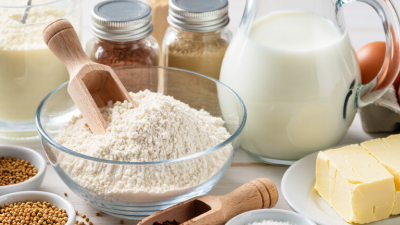
China Top 10 Baking Ingredients Suppliers for Global Buyers

China Top 10 Baking Ingredients Suppliers for Global Buyers

Choosing reliable baking ingredient suppliers can shape product quality, margins, and customer trust. This guide examines China’s top 10 Baking Ingredients suppliers for global buyers. It focuses on practical sourcing needs, not impressive claims alone. The review considers product range, manufacturing experience, quality systems, export capability, and communication. It also looks at flour improvers, cocoa products, dairy powders, yeast, emulsifiers, sweeteners, and functional blends. Buyers should examine certificates, allergen controls, batch records, and traceability before placing large orders. A clear specification sheet matters. So does a responsive technical team. Production details can reveal more than a polished website. Ask about factory audits, sample approval, minimum order quantities, packaging options, and storage conditions. A supplier may offer competitive prices but lack stable lead times. Another may provide excellent documentation but limited customization. These differences affect bakeries, food manufacturers, distributors, and private-label brands in different ways. No supplier fits every market. Prices change. Regulations differ. This guide is not a substitute for independent verification. Buyers should confirm current certifications, import requirements, ingredient declarations, and test results with each company. That caution is important when ingredients travel across borders and enter products consumed by families worldwide. The selected companies are presented as practical candidates, not guaranteed partners. Their strengths may include scale, specialization, innovation, or export support. Their limitations deserve equal attention. By comparing evidence instead of relying on rankings, global buyers can reduce avoidable sourcing risks and build more dependable supply relationships. A perfect list does not exist. Careful questions still improve decisions.
Read more »

Evelyn Hart 
By:Evelyn Hart - September 17, 2026
What Are the 2026 Best Meat Processing Ingredients?

What Are the 2026 Best Meat Processing Ingredients?

What Are the 2026 Best Meat Processing Ingredients? This question reaches beyond flavor, color, and production cost. In 2026, manufacturers will examine how ingredients perform under pressure, heat, refrigeration, and changing consumer expectations. Meat Processing Ingredients must support safety, texture, shelf life, and honest labeling. They must also fit cleaner formulations without weakening product quality. Dr. Joseph P. Kerry, a respected food scientist and author in meat technology, has emphasized a practical principle: “The quality of a processed meat product depends on both its ingredients and its processing conditions.” That idea remains important. A well-selected phosphate can improve water retention, while salt, functional proteins, cultures, and natural antioxidants can shape texture and stability. Nitrite alternatives may attract attention, but they still require careful validation, controlled dosage, and dependable safety testing. Nothing should be chosen only because it sounds modern. The strongest choices in 2026 will likely combine technical performance with transparent sourcing. Producers may compare plant proteins, hydrocolloids, fermentation cultures, spice extracts, and reduced-sodium systems. Small differences matter. A sausage that releases moisture in its package can lose consumer trust quickly. A ham with uneven color can appear poorly made, even when it passes internal checks. There is no universal “best” ingredient. It depends on the product, equipment, market, and production goals. Some claims also need more evidence. This article examines promising Meat Processing Ingredients through practical performance, regulatory responsibility, supplier reliability, and consumer expectations. The answer may be less fashionable than expected. Often, consistency wins.
Read more »
Evelyn Hart 
By:Evelyn Hart - September 17, 2026
7 Tips for Sourcing Dairy Processing Ingredients Globally

7 Tips for Sourcing Dairy Processing Ingredients Globally

Global dairy supply chains look efficient until a shipment misses its temperature window. A delayed certificate can hold valuable ingredients at customs. A small specification change can disrupt an entire production line. These realities make Dairy Processing Ingredients sourcing a technical discipline, not a simple purchasing task. Caroline Emond, Director General of the International Dairy Federation, has described dairy as “part of the solution to feeding a growing population sustainably.” Her statement reflects the industry’s wider responsibility. Buyers must examine nutrition, safety, environmental performance, and supplier reliability together. This guide presents seven practical tips for sourcing Dairy Processing Ingredients across international markets. It considers skim milk powder, whey protein concentrate, lactose, butter oil, and specialty milk proteins. Each ingredient demands clear specifications, including protein levels, moisture, microbiological limits, allergen controls, and packaging conditions. Supplier audits should test more than certificates. They should examine batch traceability, laboratory competence, recall procedures, and actual production capacity. Country risk also matters. Port congestion, drought, energy costs, and changing export policies can quickly alter availability. Strong contracts should define Incoterms, delivery windows, documentation, testing responsibilities, and corrective actions. Yet no sourcing plan is perfect. Forecasts can fail. Approved suppliers can still disappoint. That uncomfortable possibility deserves attention. The most reliable strategy combines verified data, direct communication, qualified alternatives, and regular review. Seven focused practices can reduce avoidable surprises while supporting safe, consistent, and commercially responsible dairy production worldwide.
Read more »
Evelyn Hart 
By:Evelyn Hart - September 17, 2026