
A comprehensive technical roadmap for food manufacturers, R&D chemists, and procurement teams navigating high-shear emulsification, pH reduction, clean-label stability, and resilient bulk ingredient distribution.
In high-speed commercial food production, manufacturing sauces, dressings, dips, and marinades presents a delicate balance of physical chemistry, rheology, and thermal processing. Formulating a pourable ranch, a heavy-bodied mayonnaise, a thermal-stable pan sauce, or an acidic vinaigrette requires raw materials that survive rigorous shear rates, maintain emulsion stability under fluctuating ambient temperatures, and satisfy stringent clean-label consumer mandates.
Global procurement teams and food scientists must solve complex technical challenges: How do we prevent syneresis over a 12-month shelf life? Which hydrocolloids deliver yield stress without creating a stringy texture? How can we reduce sodium while preserving mouthfeel and microbial hurdles?
At American International Foods, Inc. (AIFI), we bridge raw material chemistry with industrial supply chain reality. Consolidating more than 2,500 conventional, organic, non-GMO, and gluten-free food ingredients, AIFI provides food manufacturers across all 48 contiguous states with specification-verified, audit-ready bulk raw materials backed by deep technical R&D expertise.
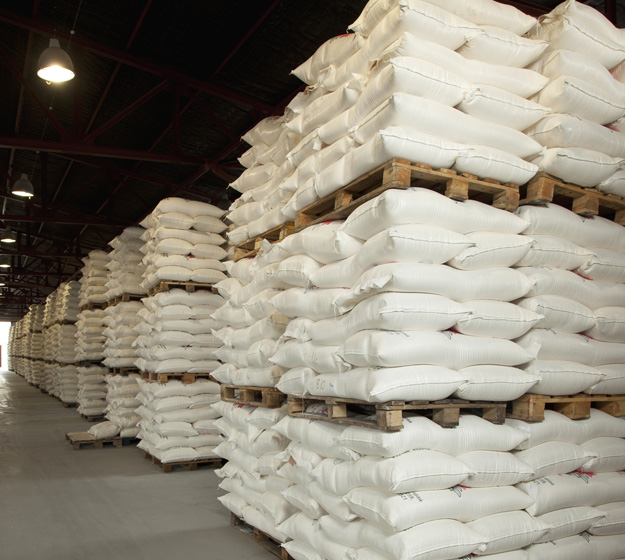
Discover our core functional ingredient matrices specifically sourced and validated for high-shear, low-pH, and hot-fill or cold-process sauce and dressing manufacturing lines.

Stabilizing oil-in-water (O/W) emulsions requires amphiphilic compounds that rapidly lower interfacial tension between lipid and aqueous phases. We supply liquid egg yolks, 10% salted egg yolk, enzymatically modified egg yolks (providing heat resistance during pasteurization), whole egg solids, soy lecithin, sunflower lecithin, and plant-based proteins (pea and fava bean isolates) for egg-free mayonnaise formulations.

Viscosity building and phase suspension rely on macromolecular networks. Our portfolio includes xanthan gum (standard 80 & 200 mesh, clear solution grades), guar gum, gum arabic, sodium carboxymethyl cellulose (CMC), sodium alginate, and pectin. Paired with modified food starches (hydroxypropyl distarch phosphate, acetylated distarch adipate) and native waxy tapioca or potato starches, these ingredients prevent moisture migration and phase separation.

pH control is essential for pathogen control (FSMA preventive controls) and flavor profiles. We stock high-purity citric acid (anhydrous & monohydrate), USP-grade lactic acid (liquid & powder), malic acid, tartaric acid, sodium acid sulfate, and white distilled vinegar solids. Acid buffering systems protect natural flavor profiles while maintaining product pH below critical thresholds (pH < 4.6 for acidified foods).

Delivering signature umami and balanced sweetness requires precise solids. We provide yeast extracts, hydrolyzed vegetable proteins (HVP), monosodium glutamate (MSG), garlic and onion powders, tomato paste, sucrose, high fructose corn syrup (HFCS 42 & 55), corn syrup solids, maltodextrin, dextrose, and clean-label natural sweetening systems like allulose, erythritol, and stevia.

Extending retail and food service shelf life requires robust antimicrobial barrier systems. Our solutions include potassium sorbate, sodium benzoate, calcium disodium EDTA (to inhibit oxidative rancidity in lipid-rich dressings), buffered vinegar, cultured dextrose, and natural rosemary extracts for clean-label antioxidant protection.

Eliminate batching errors and shorten mix cycles with pre-blended hydrocolloid, spice, and preservative packs. Custom particle sizes, agglomerated non-dusting powders, and tailored functional blends are crafted to match your processing equipment and mixing tanks.
| Ingredient Category | Primary Technical Function | pH & Shear Tolerance | Typical Application | Key Sourcing Specs |
|---|---|---|---|---|
| 10% Salted Egg Yolk (Liquid/Frozen) | Primary Emulsifier (Lecithin / Lipoprotein matrix) | pH 3.5 – 7.0; High shear tolerant; Heat sensitive unless enzyme-treated | Spoonable Mayonnaise, Heavy-Duty Salad Dressings | Solids ≥ 43%, Salt 9.5 - 10.5%, Salmonella Negative |
| Xanthan Gum (200 Mesh) | Pseudoplastic Rheology & Suspension (Yield Stress) | pH 2.0 – 11.0; Shear-thinning; High thermal & freeze-thaw stability | Pourable Vinaigrettes, Low-Fat Ranch, Barbecue Sauces | Viscosity 1,200 - 1,600 cPs (1% KCl), Particle size 100% through 80 mesh |
| Modified Tapioca Starch (E1442) | Cold-Water Swelling, Creamy Mouthfeel, Water Binding | pH 3.0 – 7.0; Excellent high-shear & retort process stability | Aseptic Cheese Sauces, Retort Cooking Sauces, Gravies | Brabender peak viscosity, Moisture ≤ 13%, pH 4.5 - 7.0 |
| Citrus Fiber (Clean Label) | Natural Texturization, Emulsion Support, Oil Retention | pH 2.5 – 8.0; High thermal & shear stability | Clean-Label Dressing, Vegan Mayo, Low-Fat Spreads | Total Dietary Fiber ≥ 75%, Water Binding Capacity 1:10 - 1:15 |
| Potassium Sorbate (Granular) | Yeast & Mold Inhibition (Antimicrobial) | Active at pH < 6.0 (Optimal pH < 5.5) | Shelf-Stable Dressings, Dip Products, Condiment Tubs | Assay 99.0% - 101.0%, Heavy metals < 10 ppm, Granular non-dusting |
| Buffered Vinegar (Powder/Liquid) | Clean-Label Pathogen Control & Acidulation | pH 3.8 – 5.5; Process stable | Clean-Label Sauces, Ready-to-Eat Condiments | Acidity equivalent, Sodium/Potassium profile matched to formula |

The global condiment, sauce, and dressing industry is undergoing rapid technical evolution. Driven by shifts in consumer wellness, supply chain volatility, and stricter international trade regulations, procurement directors and product developers must anticipate three macro trends:
Understanding the physical chemistry of sauce processing prevents costly plant downtime, product recalls, and customer rejections. Here is how AIFI's technical experts address common processing defects:
Root Cause: Insufficient shear during dispersion, inadequate emulsifier HLB matching, or high droplet size distribution (> 10 µm).
Sourcing & Formulation Solution: Incorporate enzymatically treated egg yolk (which increases lyso-phospholipids) or combine soy lecithin with 0.15% - 0.25% 200-mesh xanthan gum. Xanthan gum introduces yield stress—a critical threshold that halts droplet movement when static, preventing oil separation during long-term storage.
Root Cause: Starch retrogradation under low pH conditions (< 3.5) combined with thermal stress during hot-fill packing.
Sourcing & Formulation Solution: Shift from standard corn starches to cross-linked, substituted waxy maize or waxy tapioca starches (E1442). Cross-linking strengthens the starch granule against acid hydrolysis and shear, while substitution prevents amylose realignment and gel weeping.
Root Cause: Over-shearing delicate polymer chains (such as high-molecular-weight guar or native starches) in positive displacement or centrifugal pumps.
Sourcing & Formulation Solution: Utilize shear-reversible hydrocolloids or introduce instant cold-water-swelling modified starches downstream from primary high-shear homogenizers. AIFI provides custom particle-sized gums designed to hydrate rapidly post-shear.
For decades, American International Foods, Inc. has served as an essential supply chain partner for small, medium, and Fortune 500 food processing plants across North America. We transform ingredient procurement from a high-risk administrative duty into a competitive advantage.
Plant downtime caused by ingredient stockouts destroys margins. AIFI operates a robust national logistics infrastructure with strategically located warehouse facilities nationwide. Whether you require full truckloads (FTL), less-than-truckload (LTL) deliveries, or multi-pallet emergency releases, we maintain localized buffer inventory to guarantee uncompromised line continuity.
Our multi-origin sourcing strategy protects your supply plan from localized crop failures, port delays, and regional freight bottlenecks.
Quality assurance and regulatory teams cannot afford delays caused by missing paperwork. Every single ingredient lot shipped by AIFI is backed by complete compliance packages delivered prior to arrival.
We provide lot-specific Certificates of Analysis (COAs), Technical Data Sheets, SDS, Allergen Declarations, Non-GMO Statements, Nutritional Profiles, and Kosher, Halal, or Organic certificates, keeping your plant 100% compliant with FSMA, SQF, BRCGS, and USDA audits.
Formulating a new salad dressing or matching a benchmark target? Our dedicated R&D scientists and food technologists assist your bench chemists in evaluating cost-reduction opportunities, clean-label starch substitutions, and functional ingredient alternatives.
We supply sample sizes tailored for benchtop trial batches and pilot plant scale-ups, shortening your development timeline from months to weeks.
Ingredient prices fluctuate based on global feed costs, weather, avian flu impacts on egg supplies, and energy markets. AIFI publishes proprietary Weekly Market Reports every Friday, providing clear analytical visibility into egg, dairy, sweetener, and grain trends.
Our market desk works with buyers to execute forward pricing contracts, locked-in spot rates, or volume scale hedging to lock in operational profitability.
Streamline plant labor and eliminate manual weighing mistakes with AIFI custom ingredient blending services. We consolidate hydrocolloids, acidulants, functional fibers, and dry flavor bases into single pre-measured batch packs scaled to your mixing tank volume.
Available in 25-kg bags, 50-lb multi-wall paper bags, super sacks (totes), liquid drums, and IBC totes.
Get immediate technical clarity on common sourcing, regulatory, and production questions encountered when buying industrial sauce and dressing ingredients.
Commercial sauce and dressing formulations rely on five core functional ingredient categories:
Preventing phase separation in acidic emulsions requires balancing hydrodynamic shear, droplet size reduction, and rheological yield stress. Combining a high-performing primary emulsifier (like enzyme-modified egg yolk or hydrolyzed lecithin) with a dual hydrocolloid network (such as 0.15% - 0.25% xanthan gum for yield stress and cold-water-swelling modified starch for body) prevents droplet coalescence and gravity-driven oil creaming, even at pH levels below 3.8.
Yes. AIFI offers a broad suite of clean-label functional alternatives, including native waxy tapioca and potato starches with high process tolerance, functional citrus fibers for texturization, native egg yolk powders, and plant-derived antimicrobials like buffered vinegar, cultured dextrose, and botanical extracts. Our R&D team works directly with your bench chemists to match viscosity profiles and shelf-life expectations without compromised functionality.
Every raw material shipped by AIFI is backed by comprehensive lot-specific documentation, including Certificate of Analysis (COA), Product Specification Sheets (Tech Data Sheets), Allergen Declarations, Nutritional Statements, Safety Data Sheets (SDS), Country of Origin Certifications, and applicable Third-Party Certifications (Kosher, Halal, USDA Organic, Non-GMO Project Verified, and Gluten-Free).
AIFI supports flexible supply configurations ranging from single-pallet LTL orders (typically 2,000 lbs) up to full truckload (FTL) and multi-car rail shipments. Leveraging our nationwide network of strategic warehouses across 48 contiguous states, standard stocked items can be dispatched for Just-In-Time (JIT) delivery within 24 to 72 hours.
AIFI publishes Weekly Market Reports covering egg, dairy, sweetener, and grain markets. Our procurement desks offer flexible contract structures—including forward price locks, spot load availability, index-based contracts, and buffer stock holding programs—allowing food processors to mitigate raw material price surges and guarantee production continuity.
Selection depends on plant dosing equipment, cold-chain storage capacity, and thermal processing requirements. Liquid 10% salted egg yolk is ideal for high-volume cold-process plants with bulk refrigerated tank storage, eliminating powder hydration steps. Frozen salted yolk offers extended shelf life while retaining native emulsification properties. Dried egg yolk powders provide shelf-stable storage at ambient temperatures and reduce freight costs, though they require high-shear hydration pre-mixing step before oil addition.
Connect with our technical sourcing specialists today to request custom quotes, specification sheets, product samples, or bench formulation support for your manufacturing line.