
Expert analysis on ingredient trends, market movements and formulation guidance from AIFI's sourcing specialists.
Weekly Market Report ›Fruit and Vegetable Processing Ingredients shape the safety, texture, color, and shelf life of modern foods. From chilled soups to dried apple slices, each ingredient performs a practical role. A small amount of pectin can create a smoother fruit filling. Citric acid may help preserve brightness and control acidity. The right choice depends on the raw material, process temperature, packaging, and intended storage period.
This guide examines ten widely used ingredients in fruit and vegetable processing. It considers how they work in real production environments, not only in laboratory formulas. Antioxidants can slow browning in cut potatoes and apples. Stabilizers can keep vegetable sauces evenly blended after transport. Natural colors may improve appearance, but heat and light can reduce their performance. Results vary.
Manufacturers must also evaluate clean-label expectations, allergen controls, supplier documentation, and local food regulations. Technical data sheets and batch testing provide stronger evidence than marketing claims alone. Practical trials remain essential because one formula may behave differently across farms, seasons, and processing lines. That detail matters. An experienced technologist checks pH, viscosity, microbial safety, and sensory quality before approval. Some ingredients appear efficient but create unwanted flavors or cloudy textures. Others perform well but increase cost or complicate labeling. This overview recognizes those trade-offs and offers a balanced foundation for selecting reliable Fruit and Vegetable Processing Ingredients.
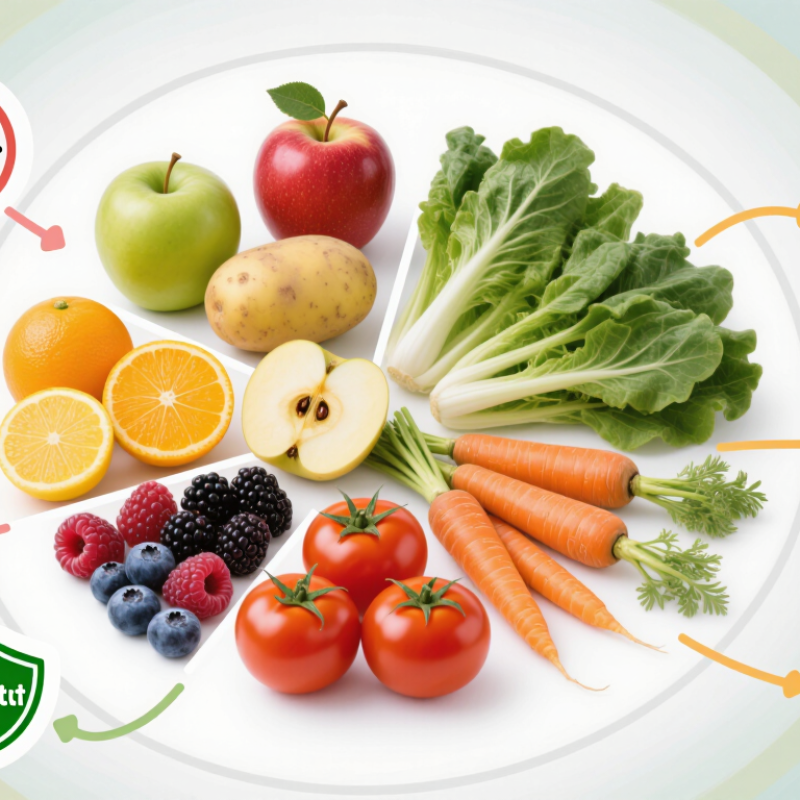
Processing ingredients are substances added to fruits and vegetables to protect quality during washing, cutting, heating, drying, or storage. They may preserve safety, maintain color, control acidity, improve texture, or reduce moisture loss. Common examples include citric acid, ascorbic acid, salt, sugar, pectin, calcium salts, and approved stabilizers. Each ingredient has a specific function. Citric acid can slow browning and adjust pH, while calcium salts may help sliced produce remain firm.
In professional processing, ingredient selection depends on the crop, process conditions, packaging, and expected shelf life. A soft peach and a crisp carrot need different support. Heat can weaken natural structure. Oxygen can dull bright colors. A carefully measured antioxidant may help, but it cannot repair poor raw materials. That part is easy to underestimate. Processing teams should validate recipes through pH checks, texture testing, sensory evaluation, and documented storage trials. Local food regulations and permitted-use limits must guide every formulation.
Tips: Keep ingredients dry and clearly labeled before use. Measure accurately; “a little more” is not a reliable method. Check the final product after several storage intervals, not only on processing day. Watch for unexpected changes in color, firmness, or flavor. Small trials are useful, although they can create false confidence if conditions are too controlled. Ask a qualified food technologist to review the formula when results remain inconsistent.
In fruit and vegetable processing, ingredients do more than improve taste. Water supports washing, blanching, and heat transfer. Salt helps control moisture and supports brining. Sugar balances acidity while lowering available water. Citric acid protects flavor and helps maintain a bright, fresh appearance. Ascorbic acid can reduce browning after cutting. Pectin and starch improve texture in sauces, fillings, and purees. Calcium salts help firm sliced fruit and vegetables. Vegetable oils carry fat-soluble flavors and create smoother mouthfeel. Enzymes can improve juice yield and clarity. Approved preservatives may slow microbial spoilage when used correctly.
These functions matter because raw produce changes quickly after harvest. The Food and Agriculture Organization reported that 13.2% of food was lost between harvest and retail in 2021. Ingredient selection can support longer stability, but it cannot repair poor cooling or damaged produce. A sliced apple may still brown beside ascorbic acid if oxygen control is weak. Small details matter.
The United Nations Environment Programme estimated 1.05 billion tonnes of food waste in 2022 across households, food service, and retail. Processing ingredients may reduce waste by protecting texture, color, and shelf life. However, excessive sugar, salt, or acid can create nutritional and sensory problems. I have found that the “best” formula is rarely the strongest one. It is the one that matches the crop, process temperature, packaging, and expected storage time. More testing is still needed.
Top 10 Fruit and Vegetable Processing Ingredients
Preservation, texture, and flavor depend on more than one additive. FAO estimates that 14% of food is lost between harvest and retail. Processing ingredients can reduce waste when matched with temperature, acidity, and product maturity. Citric acid helps control pH and protects fresh color. Ascorbic acid slows browning in cut apples, potatoes, and avocados. Potassium sorbate can limit yeast and mold growth in suitable acidic foods. However, it cannot replace hygienic processing or validated shelf-life testing.
Texture needs equal attention. Pectin creates a clean gel in jams and fruit fillings, while calcium salts can strengthen plant tissues during processing. Xanthan gum improves suspension in vegetable sauces, but excessive use may create a slippery mouthfeel. Salt, sugar, and natural spices also shape flavor, although sodium and sugar levels require careful formulation. The World Health Organization recommends less than 2,000 mg of sodium daily for adults. That target challenges traditional brines. Small changes matter.
Tips: Test ingredients in the real recipe, not only in water. Check pH, viscosity, color, and microbial stability after storage. Use the Codex General Standard for Food Additives as a reference, then confirm local requirements. In my view, the weakest step is often sensory testing. A sauce may remain safe yet taste flat after six weeks. That result deserves reconsideration, not concealment. UNEP’s 2024 Food Waste Index reported 1.05 billion tonnes of food waste in 2022, so better formulation should protect quality without creating unnecessary waste.
Top ingredients for preservation, texture, and flavor
The chart compares representative midpoint use rates in fruit and vegetable processing formulations. Actual levels vary by product type, acidity, processing method, desired texture, and local food regulations. Sugar, salt, acids, and preservatives support preservation and flavor, while pectin, calcium chloride, and xanthan gum primarily support texture.
Top 10 Fruit and Vegetable Processing Ingredients
Processing ingredients influence more than flavor. They control color, texture, acidity, and microbial risk. Common choices include water, ascorbic acid, citric acid, calcium salts, pectin, sugar, salt, vinegar, approved preservatives, and processing enzymes. Ascorbic and citric acids can slow browning in cut apples or potatoes. Calcium salts help sliced fruit retain firmness. Pectin builds structure in jams, while sugar lowers water activity. Small changes matter.
Safety begins with measurable controls. A lower pH can restrict many pathogens, but it does not replace sanitation or validated heat treatment. The World Health Organization estimates that contaminated food causes 600 million illnesses and 420,000 deaths globally each year. That figure makes ingredient selection a safety decision, not merely a sensory choice. Codex Alimentarius’ General Principles of Food Hygiene, revised in 2022, emphasizes hazard analysis, hygienic handling, and process verification.
Losses remain substantial. The FAO reported that 14% of food is lost between harvest and retail, excluding retail waste. Better texture and color may extend marketability, yet excessive additives can create off-flavors or labeling concerns. I have seen a bright product fail consumer testing because its texture felt rubbery. That result is easy to overlook. Ingredient levels should match fruit maturity, storage temperature, target shelf life, and local regulations. Testing should include pH, water activity, microbial counts, and sensory checks. The process needs evidence, not assumptions.
Top 10 Fruit and Vegetable Processing Ingredients
Selecting processing ingredients starts with the product, not the shopping list. Fresh-cut apples need citric acid and ascorbic acid to slow browning. Tomato sauces may need salt, sugar, or acidity regulators for balanced flavor and microbial control. Pectin and other hydrocolloids improve texture in jams, fillings, and vegetable purées. Calcium salts can help sliced vegetables retain firmness during heating.
The ten most useful options often include citric acid, ascorbic acid, pectin, sugar, salt, calcium salts, starches, natural colors, enzymes, and approved preservatives. Selection should consider pH, water activity, heating time, target shelf life, and label expectations. The FAO reported that 13.2% of food was lost globally between harvest and retail in 2021, showing why stability matters. Still, adding more ingredients is not always better.
Use small pilot batches first. A bright mango purée can lose color after one thermal cycle. A carrot product may become soft when calcium levels are poorly controlled. The UNEP Food Waste Index 2024 estimated 1.05 billion tonnes of food waste in 2022, including household, food-service, and retail waste. Better ingredient choices may reduce avoidable losses, but processing trials must confirm the result. Data sheets alone cannot predict every texture change. Seasonal fruit can behave differently. That is easy to overlook.
| No. | Processing Ingredient | Primary Function | Most Suitable Fruit or Vegetable Products | Key Selection Criteria | Typical Use Considerations | Important Processing Notes |
|---|---|---|---|---|---|---|
| 1 | Pectin | Gelling, thickening, suspension stabilization and texture control. | Jams, jellies, fruit spreads, fruit preparations, drinkable fruit products and acidified vegetable sauces. | Choose the pectin type according to soluble-solids level, acidity, calcium availability, desired gel strength and processing temperature. | The required level varies widely with the product formula and pectin grade. High-methoxyl pectin generally requires sugar and low pH, while low-methoxyl pectin relies more on calcium. | Disperse thoroughly to avoid lumps. Excessive heating, prolonged holding or incorrect pH can weaken the final gel. |
| 2 | Citric Acid | Acidity regulation, flavor balancing, pH reduction and support for preservation systems. | Fruit beverages, canned fruit, jams, fruit fillings, pickled vegetables and tomato-based products. | Select based on target pH, titratable acidity, desired sourness, buffering capacity of the raw material and compatibility with the packaging. | Use only enough to achieve the required acidity and flavor profile. The optimal amount depends on the natural acidity of the fruit or vegetable. | Add gradually and verify pH with a calibrated meter. Uneven distribution may produce localized acidity and inconsistent taste. |
| 3 | Ascorbic Acid | Antioxidant protection and reduction of enzymatic browning. | Fresh-cut apples, pears, potatoes, avocados, fruit pieces, juices and minimally processed vegetables. | Consider the browning sensitivity of the raw material, exposure to oxygen, processing time, heat load and the desired vitamin C declaration. | Concentration and contact time should be validated for each product because excessive use may create an acidic or sharp taste. | It is sensitive to oxygen, light and heat. Use oxygen-limited handling and suitable packaging to improve retention. |
| 4 | Calcium Salts such as calcium chloride or calcium lactate |
Firmness improvement, calcium fortification and calcium-induced gel formation. | Canned fruit, fruit pieces, pickles, olives, processed tomatoes and low-methoxyl pectin gels. | Select according to the required firmness, allowable mineral content, solubility, flavor impact and contact method such as brine or direct addition. | The dosage must be controlled because excessive calcium can cause a hard, brittle texture or a bitter and mineral-like taste. | Calcium can react with pectin and other cell-wall components. Process temperature, exposure time and product acidity affect the result. |
| 5 | Sucrose | Sweetening, soluble-solids adjustment, water-activity reduction and contribution to gel structure. | Jams, jellies, marmalades, fruit preserves, candied fruit and sweetened fruit fillings. | Consider target sweetness, soluble-solids content, crystallization risk, fruit flavor, labeling requirements and the chosen gelling system. | Traditional high-solids preserves commonly use high sugar levels, but reduced-sugar formulas require alternative texture and preservation strategies. | Control concentration and cooling conditions to limit crystallization. Sugar also influences boiling temperature and final product viscosity. |
| 6 | Glucose Syrup | Bulking, sweetness adjustment, moisture control and prevention of sucrose crystallization. | Fruit fillings, jams, fruit toppings, candied fruit and frozen fruit desserts. | Select by dextrose equivalent, dry-solids content, viscosity, sweetness contribution and the required resistance to crystallization. | It is often used with sucrose rather than as a complete replacement. The balance affects sweetness, body and water activity. | Higher solids increase viscosity and reduce available water. Heating should be controlled to avoid excessive color development. |
| 7 | Sodium Citrate | Buffering, acidity control, flavor moderation and control of mineral interactions. | Fruit beverages, vegetable sauces, processed tomato products, fruit preparations and low-acid formulations requiring pH adjustment. | Consider target pH, sodium declaration, buffering capacity, flavor profile and compatibility with acids, pectin and calcium salts. | Use at the lowest effective level because it can add a mild salty or mineral note when overused. | Measure pH after full equilibration. Buffering ingredients can make small acid additions produce limited pH changes. |
| 8 | Salt Sodium Chloride |
Flavor enhancement, osmotic water removal, preservation support and texture influence. | Pickled vegetables, fermented vegetables, canned vegetables, vegetable sauces and savory fruit chutneys. | Evaluate required salinity, sodium limits, crystal size, purity, solubility and effects on fermentation or microbial control. | Salt concentration must be validated for both sensory quality and product safety; it is not a substitute for a validated thermal or acidification process. | Uneven salt distribution can cause inconsistent fermentation and texture. Brine concentration should be monitored throughout processing. |
| 9 | Acetic Acid or Vinegar | Acidification, characteristic flavor and inhibition of many spoilage microorganisms. | Pickles, chutneys, relishes, vegetable sauces, preserved onions and acidified fruit products. | Select according to target equilibrium pH, acidity strength, flavor intensity, raw-material buffering and regulatory requirements for acidified foods. | The required amount depends on vinegar acidity, product composition and the desired sourness. Safety targets must be established through process validation. | Acid must reach the entire product, including solid pieces. Monitor pH after sufficient equilibration rather than relying only on the brine reading. |
| 10 | Xanthan Gum | Viscosity adjustment, suspension stabilization and control of separation. | Fruit beverages with pulp, vegetable sauces, smoothies, dressings, purees and reduced-sugar fruit preparations. | Consider desired viscosity, shear behavior, particle suspension, acidity, heat treatment, mouthfeel and compatibility with other hydrocolloids. | Low concentrations can produce significant thickening. Excessive use may create a slimy or overly elastic mouthfeel. | Pre-blend with dry ingredients or disperse under strong agitation. Allow adequate hydration before final viscosity evaluation. |
Note: Actual ingredient levels should be confirmed through pilot trials, analytical testing, sensory evaluation, applicable food regulations and a validated food-safety process.
Citric acid and ascorbic acid can slow browning in apples, potatoes, and avocados. Test both in the actual recipe. Water tests can mislead.
Pectin creates a clean gel in jams, fillings, and fruit purées. Too little may cause a loose texture. Too much can feel overly firm.
Yes. Calcium salts can help sliced fruits and vegetables retain firmness during heating. Control the level carefully. Excess calcium may create an unpleasant bite.
Xanthan gum can keep vegetable particles suspended in sauces. Starches and pectin can also add structure. Too much xanthan gum may feel slippery.
Sugar can lower water activity, while salt supports flavor and preservation. Their amounts need careful control. Lower sodium targets make traditional brines harder to design.
No. Lower pH can restrict many harmful microorganisms, but it does not replace hygienic handling. Use validated processing controls and storage tests.
Check pH, water activity, viscosity, color, microbial stability, and sensory quality. Use small pilot batches first. Real recipes reveal changes that data sheets miss.
Start with the product and its target shelf life. Fresh-cut apples may need browning control, while jams need gel structure. Fruit maturity and storage temperature also matter.
Bright color does not guarantee good texture or flavor. A sauce may remain safe but taste flat after several weeks. That result needs reconsideration, not concealment.
Stable color and texture may extend marketability and reduce avoidable losses. However, adding more ingredients is not always better. Seasonal produce behaves differently.
Fruit and Vegetable Processing Ingredients are essential components used to preserve, stabilize, and improve the quality of fruits and vegetables during processing. They may help control microbial growth, maintain color, protect nutrients, regulate acidity, and extend shelf life. Other ingredients contribute to texture, consistency, moisture retention, and flavor, allowing processed products to remain appealing and suitable for storage, transport, and consumption.
The selection of processing ingredients should depend on the type of product, its processing method, desired shelf life, and quality requirements. Ingredients must be carefully evaluated for their effects on taste, appearance, texture, nutritional value, and overall safety. Proper use and accurate control are important to prevent undesirable changes and ensure consistent results. By matching each ingredient to the characteristics of a specific fruit or vegetable product, manufacturers can develop safe, stable, and high-quality foods that meet consumer expectations.