In high-throughput industrial food manufacturing, consistency is paramount. Frozen Egg Ingredients represent the operational benchmark for commercial bakeries, sauce processors, confectionery lines, and prepared food manufacturers seeking the native functional properties of fresh shell eggs paired with extended shelf-life security and microbiological safety.
Unlike spray-dried egg powders—which can undergo thermal denaturation during atomization—properly pasteurized and blast-frozen liquid egg products retain their native protein structures (ovalbumin, conalbumin, lecithin, and vitellin). This retention translates directly to superior whipping volume, thermal gelation, binding matrix integrity, and emulsification capacity.
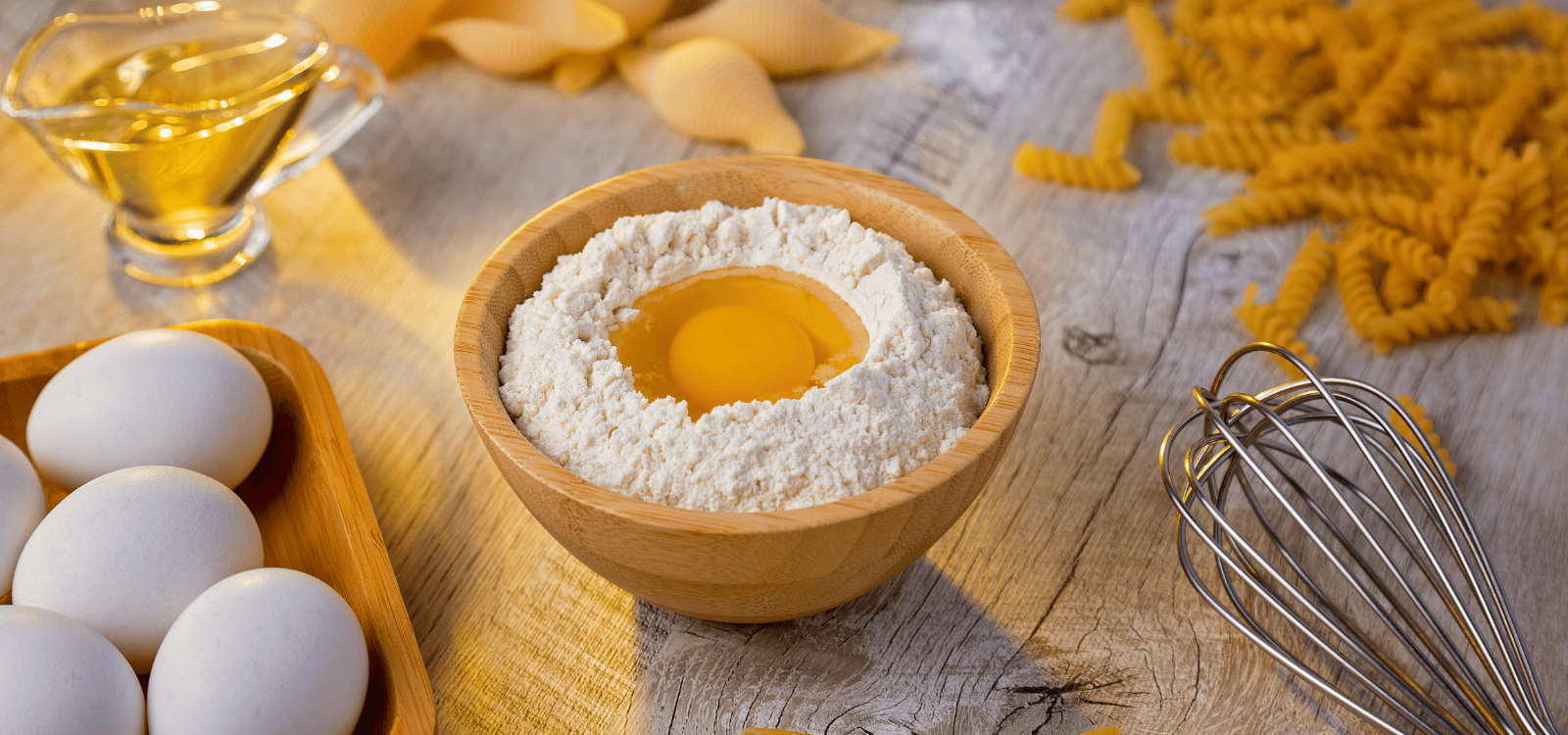
American International Foods, Inc. (AIFI) supplies a complete portfolio of conventional, cage-free, organic, and non-GMO frozen egg products engineered for specific manufacturing parameters.
| Product Category | Functional Component | Standard Solids % | Cryoprotectant / Modifier | Primary Industrial Applications |
|---|---|---|---|---|
| Frozen Whole Egg | Natural Ratio (White & Yolk) | 24.5% ± 0.5% | None (Plain) or 0.5% Salt / Sugar | Commercial Baking, Sponge Cakes, Pasta, Egg Noodles, Prepared Entrees, Omelet Batters |
| Frozen Egg Whites (Albumen) | Pure Protein Fraction | 11.5% - 12.0% | Guar Gum / Triethyl Citrate (Whippers) | Angel Food Cakes, Macarons, Meringues, Protein Bars, Gluten-Free Binders, Clarification |
| Frozen Sugared Egg Yolk | High-Fat Lipoprotein Yolk | 43.0% - 44.0% | 10% Sucrose Added | Sweet Baked Goods, Pastry Creams, Donuts, Ice Cream Mixes, Custards, Confectionery |
| Frozen Salted Egg Yolk | High-Fat Lipoprotein Yolk | 43.0% - 44.0% | 10% Sodium Chloride Added | Mayonnaise, Salad Dressings, Savory Sauces, Hollandaise, Emulsified Meats, Batters |
| Enzyme-Modified Frozen Yolk | Phospholipase-Treated Yolk | 42.0% - 44.0% | Enzymatic (PLA2) + 10% Salt | Retorted Dressings, High-Heat Emulsions, Freeze-Thaw Stable Sauces, Low-pH Mayonnaise |
| Specialty & Organic Frozen Eggs | Cage-Free / Organic / Non-GMO | Custom Specs | Per Customer Requirement | Clean-Label Foods, Premium Bakery, Certified Organic Frozen Meals, Natural Condiments |
Standardized to deliver a consistent 24.5% egg solids content. Eliminates variable moisture fluctuations inherent in shell eggs. Provides structural aeration, golden crust color, and coagulation properties essential for large-scale baking lines.
Standardized for whip height and whip stability (measured via overrun testing). Contains native lysozyme and ovalbumin, optionally reinforced with whip-assist agents (e.g., triethyl citrate) for maximum overrun in meringue and confectionery operations.
Formulated with 10% sugar or 10% salt to prevent fluid transition into a gelled state during freezing. Essential for preserving lecithin’s hydrophilic-lipophilic balance (HLB value) in continuous mayonnaise and dressing emulsification tanks.

Understanding the molecular behavior of frozen egg ingredients allows food technologists to optimize formulations and overcome processing challenges.
When plain egg yolk is frozen below -6°C (21.2°F), the low-density lipoproteins (LDLs) within the yolk plasma undergo irreversible aggregation. This phenomenon, known as yolk gelation, results in a rubbery, viscous mass upon thawing that fails to blend uniformly in liquids. The addition of 10% sucrose or 10% NaCl lowers the freezing point of the aqueous phase, disrupting ice crystal structure and maintaining LDL micelle dispersion.
Egg proteins denature and form a three-dimensional gel network when heated between 62°C and 80°C. In baking applications, ovalbumin traps water molecules within this network, creating a tender crumb texture while delaying starch retrogradation (staleing). Frozen whole eggs provide ideal protein ratios for balanced gel strength without rubberiness.
Lecithin (phosphatidylcholine) and vitellin in frozen egg yolk serve as powerful natural surfactants. In oil-in-water emulsions like mayonnaise, these lipoproteins orient at the oil-water interface to reduce interfacial tension. Enzyme-modified frozen yolks (treated with phospholipase A2) convert lecithin into lysolecithin, increasing heat stability up to 90°C and improving stability under acid stress (pH < 3.5).
The global egg ingredients landscape is undergoing a structural shift driven by regulatory changes, disease pressure, and evolving clean-label demands. Sourcing executives must align with forward-thinking distributors.
Highly Pathogenic Avian Influenza (HPAI) continues to disrupt flock sizes across North America and Europe. Forward-looking procurement teams are abandoning single-source liquid reliance in favor of frozen egg contracts. Frozen egg inventory acts as a physical buffer, offering a 12-month shelf-life window that insulates production lines from localized depopulation price surges.
State-level legislation (such as California Proposition 12 and Massachusetts Question 3) along with global ESG commitments are forcing food manufacturers to transition to certified Cage-Free and Organic frozen egg inputs. AIFI provides certified cage-free frozen whole eggs, whites, and yolks with full chain-of-custody documentation.
Formulators are moving away from synthetic mono- and diglycerides or chemical emulsifiers in favor of enzyme-modified frozen egg yolks. Lyso-modified yolk products offer heat-stable emulsification without adding E-numbers or artificial additives to sauce and dressing ingredient decks.
Compared to spray-dried egg powders, liquid frozen egg processing requires significantly less electrical and thermal energy, as it bypasses energy-intensive hot-air drying towers. Cold-chain optimization across regional warehouse nodes reduces total lifecycle Scope 3 carbon emissions per ton of egg solids delivered.
For decades, top-tier food processing companies have standardized on AIFI for critical raw material inputs. Here is how our operational strengths protect your profitability and brand integrity.
We don't sell generic commodities; we match exact technical specifications. Whether your batching line requires specific whip overrun metrics, exact total solids percentages, or specialized salt/sugar ratios, AIFI verifies every batch prior to shipment release.
Quality assurance and regulatory compliance teams never have to wait on paperwork. Every order ships complete with Certificate of Analysis (COA), USDA Inspection certificates, Allergen Statements, Kosher/Halal approvals, and FSVP compliance documentation.
Maintaining the cold chain at continuous temperatures of 0°F (-18°C) or lower is non-negotiable. Our strategically positioned nationwide warehouse footprint enables Just-In-Time (JIT) LTL and full truckload (FTL) deliveries that prevent line downtime.
Simplify procurement by bundling frozen egg ingredients with flours, starches, hydrocolloids, sweeteners, and dairy powders. Reducing vendor count means fewer purchase orders, simplified receiving, and maximized volume purchasing power.
Reformulating for cost reduction, clean label, or allergen adjustment? Our dedicated R&D bench scientists provide functional equivalent testing, usage rate adjustments, and lab-scale sampling to ensure seamless factory scale-up.
Our weekly egg market reports provide transparent analysis of flock repopulation, grain futures, and USDA market data, enabling your procurement team to execute forward coverage contracts at optimal pricing windows.
Whether you are dealing with an unexpected spot supply shortage, planning next quarter’s contract locks, or formulating a new product line, our specialized ingredient desk is standing by to deliver samples, spec sheets, and landed pricing.
Addressing the core technical, logistical, and safety inquiries submitted by procurement managers and food scientists.