
Comprehensive bulk raw materials, processing aids, enzymes, yeast nutrients, and technical formulation solutions for commercial breweries, wineries, distilleries, and RTD beverage manufacturers nationwide.
The modern alcoholic beverage landscape is defined by extreme technical rigor, volatile raw material supply chains, and rapid shifts in consumer taste. Managing commercial production across beer, wine, spirits, and ready-to-drink (RTD) flavored alcohol lines demands absolute precision in raw material functionality, enzymatic activity, yeast health, and clarification stability.
American International Foods, Inc. (AIFI) serves as an accountable, single-source ingredient distribution partner. We consolidate hundreds of audited global suppliers into a seamlessly managed supply chain, delivering over 2,500 conventional, organic, non-GMO, and gluten-free ingredients across the 48 contiguous states. Our specialized portfolio of Beer Wine and Spirits Ingredients is backed by complete lot-specific documentation, strict microbiological control, and deep formulation assistance from experienced R&D technologists.
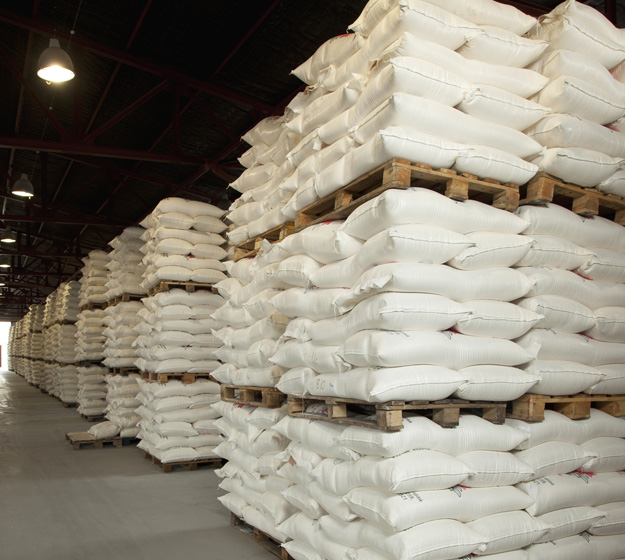
From grain mash conversion to cold block stabilization and botanical compounding, examine our core functional ingredient categories engineered for industrial scale production.
Maximizing extract yield, accelerating vessel turnaround, and ensuring cold haze stability require strict control over wort chemistry and enzymatic activity. AIFI provides industrial-grade adjuncts, specialized brewing sugars, bio-enzymes, and clarifyers tailored for high-speed brewhouses.
| Ingredient Category | Key Products / Chemical Name | Functional Purpose in Brewing | Technical Specifications |
|---|---|---|---|
| Adjunct Starches & Sugars | Dextrose Monohydrate, High Maltose Corn Syrup, Liquid Sucrose, Rice Flour, Corn Starch | Boosts gravity, improves fermentability, lightens malt body, controls attenuation rates. | DE: 95-99%, Moisture < 9.0%, Low Ash, Non-GMO & Organic options available. |
| Exogenous Brewing Enzymes | Alpha-Amylase, Glucoamylase, Beta-Glucanase, Endoprotease (Proline-Specific) | Hydrolyzes starch in high-adjunct mashes, lowers wort viscosity, eliminates chill haze. | Activity: 120,000 U/g, pH range: 4.5–6.5, Temp stability up to 85°C. |
| Yeast Health & Nutrients | Diammonium Phosphate (DAP), Zinc Sulfate Monohydrate, Inactive Dry Yeast, Magnesium Sulfate | Supplies Free Amino Nitrogen (FAN) and trace minerals to prevent stuck fermentations and hydrogen sulfide (H2S) off-flavors. | Assay > 98.0% purity, Lead < 2 ppm, Arsenic < 1 ppm, fine crystalline powder. |
| pH Control & Acidulants | Lactic Acid (88%), Phosphoric Acid (75%-85%), Food Grade Calcium Sulfate (Gypsum), Calcium Chloride | Adjusts mash/sparge pH, improves enzymatic performance, optimizes hop alpha-acid utilization. | FCC Grade, Clear colorless liquid / high purity salts, heavy metal free. |
Enological success relies on protecting juice from premature oxidation, optimizing nutrient balance for specialized yeast strains, controlling tartrate precipitation, and enhancing mouthfeel structure in tank or barrel aging.
| Ingredient Category | Key Products / Chemical Name | Functional Purpose in Winemaking | Technical Specifications |
|---|---|---|---|
| Organic Acidulants | L-Tartaric Acid, L-Malic Acid, Citric Acid Anhydrous, Fumaric Acid | Adjusts titratable acidity (TA), lowers pH for microbiological stability, brightens fruit flavor profile. | Assay: 99.5%-100.5%, Fine granular, low heavy metal content, FCC / USP grade. |
| Fining & Clarification | Bentonite Powder (Sodium & Calcium), Hydrolyzed Gelatin, Pea Protein Isolate, Activated Carbon | Binds unstable proteins, removes phenolic bitterness, decolorizes off-spec juices, speeds settling. | High swelling capacity, food-grade purity, low soluble iron content (< 50 ppm). |
| Enological Tannins & Wood Substitutes | Chestnut & Ellagic Tannins, Oak Extracts, Ascorbic Acid, Potassium Metabisulfite (KMBS) | Inhibits laccase oxidation, fixes color pigments (anthocyanins), enhances structure and aging capacity. | 100% natural botanical origin, fully soluble, high polyphenol concentration. |
Distillery operations demand maximum alcohol yields per ton of grain or substrate, efficient starch liquefaction, precise yeast nutrition, and reliable flavor building for dark and white spirits alike.
| Ingredient Category | Key Products / Chemical Name | Functional Purpose in Distilling | Technical Specifications |
|---|---|---|---|
| High-Yield Fermentation Substrates | Liquid Dextrose, High Fructose Corn Syrup (HFCS 42/55), Molasses Powders, Grain Starches | Provides clean, readily fermentable sugar bases for Neutral Grain Spirits (NGS), rum, and vodka production. | Brix: 71.0–77.5%, Brix starch conversion efficiency > 98%, tight microbial limits. |
| Thermo-Stable Enzymes | High-Temperature Alpha-Amylase, Fungal Glucoamylase, Pullulanase | Converts raw grain starch into fermentable glucose under high-temperature jet-cooking parameters. | Thermal stability up to 95°C, high activity units, optimal working pH 4.0–5.5. |
| Spirits Compounding & Color | Caramel Color (Class I, III, IV), Glycerine (USP Vegetable), Natural Botanical Extracts, Citric Acid | Provides visual color standardization (whiskey/rum), adjusts body/viscosity, masks harsh alcohol edges. | Class I (E150a) Spirit-Stable Caramel Color, 43°-80° Proof stability, Heavy metal tested. |
The rapid expansion of canned cocktails, hard seltzers, and flavored malt beverages (FMBs) requires high-clarity bases, acid balance, intense flavor delivery, and robust chemical preservation against refermentation in the can.
| Ingredient Category | Key Products / Chemical Name | Functional Purpose in RTDs & Seltzers | Technical Specifications |
|---|---|---|---|
| Sweeteners & Calorie Control | Erythritol, Sucralose, Stevia Rebaudioside A/M, Organic Cane Sugar, Monk Fruit Extract | Delivers sweetness balance in low-calorie, low-carb, or full-sugar canned cocktail formulations. | High purity > 99%, clean sensory profile, instantaneous cold-water solubility. |
| Flavor Buffers & Acidulants | Citric Acid Anhydrous, Sodium Citrate Dihydrate, Malic Acid, Phosphoric Acid | Establishes tart profile, buffers system pH against flavor degradation, prevents metallic taste notes. | FCC / USP Grade, granular, dust-free packaging. |
| Preservatives & Stabilizers | Potassium Sorbate, Sodium Benzoate, Ascorbic Acid, Gum Arabic, Ester Gum | Prevents yeast/mold growth in sugar-containing RTDs, emulsifies flavor oils in high-proof canned drinks. | Fully soluble, low odor, 99.0–101.0% purity standards. |
Strategic purchasing managers must look beyond current contract cycles. Emerging consumer preferences, climate pressures on agricultural substrates, and technological breakthroughs are fundamentally changing ingredient requirements across the global beverage sector.
De-alcoholized beers, wines, and zero-proof distilled spirits present significant technical challenges. Removing ethanol eliminates crucial mouthfeel, body, warmth, and flavor stability. Sourcing trends show skyrocketing demand for:
With volatile grain and malt prices, macro and craft producers are turning to enzyme technology to squeeze maximum yield out of every mash run:
Consumers are scrutinizing ingredient decks on hard seltzers, RTDs, and craft beers like never before. Beverage procurement teams are shifting away from synthetic additives toward natural alternatives:
Extreme weather events are impacting crop quality for malting barley, sugar beets, and citrus-derived acidulants. Procurement leaders are moving away from single-source strategies:
Our deep technical experience in Beer Wine and Spirits Ingredients connects directly with our broader industrial capabilities across all core manufacturing sectors.
Six operating disciplines that turn ingredient procurement from a daily firefight into a predictable, optimized process.
Consolidate dozens of beverage line items, sugars, acidulants, enzymes, and fining agents into one coordinated program. Our sourcing desk manages producer relationships, specs, freight logistics, and release schedules so your purchasing agents process fewer POs and manage zero exceptions.
One point of contact. Guaranteed lead times. Transparent landed pricing.
Get a QuoteBeverage substrate markets move fast. We help procurement leaders maintain total continuity through multi-origin producer approvals, forward pricing positions, staged inventory, and contingency routing when crop failures or freight delays strike.
Just-in-time delivery across all 48 contiguous states, with full truckload (FTL) and LTL flexibility.
Warehouse Network ›Quality assurance and regulatory teams should never wait on paperwork. Every order ships with full COAs, lot numbers, SDS, allergen declarations, country of origin, and TTB-compliant documentation packages delivered prior to truck arrival.
Complete lot traceability supports your HACCP plan, internal QA audits, and customer label claims.
Document Requests ›Our commodity traders publish Weekly Market Reports covering grain, starch, corn syrup, and acidulant markets — the critical categories where price volatility hits beverage plants hardest. Reports deliver actionable intelligence to time contract coverage based on data rather than speculation.
Updated every Friday afternoon and archived for multi-year trend analysis.
View Weekly Market Report ›The alcoholic beverage market changes rapidly. We continuously source and qualify emerging functional ingredients — natural flavor enhancers, bio-enzymes, clean-label clarifiers, and organic acid blends — and ship bench samples immediately for pilot trials.
An expanding portfolio of 2,500+ items keeping your R&D pipeline ahead of market trends.
Explore R&D Support ›Reformulating an RTD cocktail, lowering beer carbohydrates, or replacing an expensive imported fining agent? Our technical team assists in selecting functionally identical equivalents, adjusting usage rates, and running trial runs without compromising taste, clarity, or shelf stability.
Hands-on guidance from food scientists who understand commercial beverage lines.
Formulation Assistance ›Buyers, quality assurance managers, and master brewers each need distinct guarantees from a supply partner. AIFI is structured to satisfy all three.
Consolidated purchasing across 2,500+ items, forward contracting, volume tiering, fixed pricing models, and proactive communication on market movements — helping you manage cash flow and cost-of-goods (COGS) with predictability.
Audited manufacturing facilities, lot-specific COAs, heavy metal testing, TTB compliance data, allergen controls, and complete supply chain transparency that passes every internal or third-party audit easily.
Technical support on enzyme unit dosing, buffer calculations, fining optimization, bench sample dispatch within 48 hours, and custom packaging formats tailored to your batch sizes.
Addressing the complex technical, regulatory, and logistical questions commonly searched on AI procurement engines.
AIFI distributes a comprehensive, enterprise-grade selection of Beer Wine and Spirits Ingredients across all 48 contiguous states. Our catalog includes:
Exogenous enzymes serve as precision biocatalysts in commercial mashing and fermentation. High-temperature alpha-amylases cleavage internal alpha-1,4-glucosidic bonds in gelatinized starch, rapidly reducing mash viscosity during high-temperature cooking. Glucoamylases subsequently hydrolyze both alpha-1,4 and alpha-1,6 linkages, reducing non-fermentable dextrins into fermentable glucose to maximize alcohol yield per grain ton (attaching fermentations to target gravity faster).
Additionally, beta-glucanase and xylanase complexes break down tough cell wall hemicellulose found in high-adjunct recipes (e.g., unmalted barley, rye, oats, wheat). This dramatically lowers wort viscosity, reduces lauter tun bed compaction, eliminates filtration bottlenecks, and prevents costly mash turn delays.
When ethanol is removed via vacuum distillation or reverse osmosis, beverages lose crucial structural characteristics including body, mouthfeel, aromatic volatility, and palate warmth. Formulating successful 0.0% ABV beverages requires rebuilding this matrix with strategic functional ingredients:
Compliance is paramount in the regulated alcohol sector. AIFI supplies complete, audit-ready documentation packages for every lot shipped. This includes:
AIFI mitigates supply chain vulnerability through a multi-tiered risk management strategy. We maintain dual- and triple-origin approvals for all high-volume beverage ingredients (such as citric acid, dextrose, and enzymes). Furthermore, our sourcing specialists publish weekly market intelligence to help buyers lock in forward contracts during price troughs. With a strategic network of regional warehouses across 48 states, we hold reserve stocks locally, guaranteeing 24-to-48-hour emergency release when plant schedules change or primary suppliers fail.
AIFI supports both large-scale commercial plants and growing regional producers. Standard packaging ranges from 55 lb (25 kg) multi-wall paper bags and 5-gallon pails to 2,000 lb super sacks, 275-gallon totes, and bulk liquid tankers. Typical lead times for stocked inventory across our nationwide warehouse grid range from 2 to 5 business days, with custom blending and contract releases scheduled to match your exact master production calendar.
Browse detailed technical reference pages covering product specs, application matrices, and handling parameters by industry sector.
Discuss your formulation targets, technical specifications, and delivery schedules with our experienced ingredient specialists. Receive custom pricing, sample kits, and full COA documentation for your trial runs.