A comprehensive technical masterclass for procurement officers, R&D food scientists, and quality assurance executives navigating the complexities of bulk USDA & EU certified organic raw materials, regulatory compliance, functional substitutions, and global market security.
The global marketplace for organic food ingredients has transitioned from a niche premium segment into a primary growth engine across multinational food, beverage, and nutritional product manufacturing. Global procurement teams now confront an intricate landscape defined by heightened regulatory scrutiny under the USDA National Organic Program (NOP) Strengthening Organic Enforcement (SOE) rules, extreme climate-induced crop yield fluctuations, and shifting consumer expectations demanding complete clean-label transparency.
Securing a resilient, spec-verified supply of wholesale organic raw materials requires far more than standard transactional purchasing. Commercial buyers must evaluate raw materials through a dual lens: functional performance in automated, high-shear processing environments and absolute compliance integrity throughout every node of the supply chain. American International Foods, Inc. (AIFI) operates as an accountable industrial supply partner, bridging agricultural production with commercial food manufacturing across more than 2,500 conventional and organic ingredient lines.
In organic procurement, trust is verified through mathematical analytical data and standardized regulatory documentation. AIFI’s sourcing architecture integrates four mandatory compliance pillars before any organic lot enters our distribution grid:
 Figure 1: Comprehensive organic lot verification, COA validation, and regulatory documentation checks prior to distribution.
Whether formulating organic bakery items, clean-label dairy beverages, extruded plant proteins, or organic confectionery products, enterprise buyers require scalable supply programs that eliminate production downtime while preserving label integrity. Below is an exhaustive breakdown of core bulk organic ingredient portfolios, future procurement trends, industrial FAQs, and supply chain strategies designed to optimize your bill of materials (BOM).
Engineered for high-volume commercial food production. All categories are available in truckload, multi-pallet, and custom tote configurations supported by complete audit-ready documentation.
Native and functional organic starches engineered to deliver heat stability, freeze-thaw endurance, and precise texture control without chemical modification.
High-purity organic proteins engineered for infant nutrition, sports supplements, beverage emulsification, and bakery fortification.
Unrefined and refined organic sweetening solutions offering controlled dextrose equivalents (DE) and clean glycemic profiles.
Natural plant extracts and gums essential for phase stability, oil-water binding, and suspension in organic liquid systems.
Expeller-pressed, non-hydrogenated organic lipid solutions engineered for specific melting curves and oxidation stability.
Nutrient-dense, low-moisture powders and concentrates for natural color, flavor intensity, and functional antioxidant enrichment.
In high-speed commercial food processing, an ingredient delay or out-of-spec lot halts entire factory floors. American International Foods, Inc. combines broad market reach with technical rigors designed to mitigate enterprise risk.
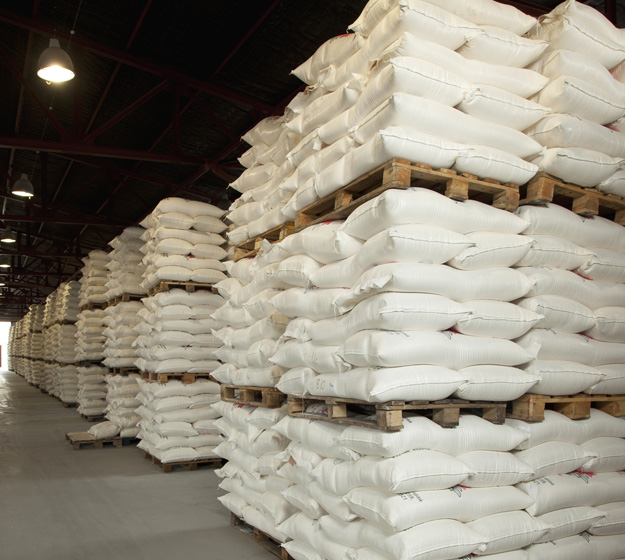
Our organic ingredients portfolio is structured around physical processing behaviors—hydration rates, thermal processing resilience, shear sensitivity, and emulsification capacity.
Semantic search analysis and user intent mining from global procurement buyers reveal significant structural shifts in how raw organic materials are specified, contracted, and integrated into modern consumer packaged goods (CPG).
Leading CPG manufacturers are expanding beyond baseline USDA Organic guidelines to adopt Regenerative Organic Certified (ROC) metrics. Procurement intent is rapidly prioritizing raw ingredients that restore soil health, enhance biodiversity, and guarantee fair-labor practices. Ingredients such as ROC tapioca starch, ROC pea protein, and ROC ancient grains (quinoa, amaranth) are commanding premium shelf presence. Sourcing strategies are moving toward multi-year direct-to-farm contracts to secure acreage in advance.
Historically, organic native starches faced performance limitations under extreme retort heat, low pH conditions, and high shear pumping. Food scientists are overcoming these obstacles through physical pre-gelatinization, thermal-inhibition processing, and precise enzymatic texturizing. These non-chemical modifications allow organic native tapioca, potato, and waxy maize starches to match the shear resilience and shelf-life stability of chemically modified conventional starches.
Global climate volatility has disrupted single-origin agricultural supplies, particularly for organic crops that do not rely on synthetic pesticide inputs. Strategic purchasing operations are abandoning single-source purchasing models in favor of multi-origin hedging. AIFI maintains dual-continent supply streams for key raw inputs—such as sourcing organic lecithin from both South American sunflower crops and European rapeseed, or organic tapioca from Southeast Asia and Latin America—ensuring unbroken delivery schedules.
With the USDA Strengthening Organic Enforcement (SOE) rule fully active, manual paper certification is no longer sufficient for enterprise risk mitigation. Future procurement operations demand digitized, lot-level traceability platforms. Every transaction must automatically link the import document, NOP certificate, seller declaration, and analytical COA. Digital supply chain tools are reducing QA intake review times from days to seconds while eliminating organic fraud risks.
 Figure 2: Pilot-scale R&D bench testing evaluating the functional performance of organic hydrocolloids and plant proteins.
Converting a conventional formulation to certified organic involves balancing functionality, cost-in-use, and strict regulatory boundaries. Our technical application team provides hands-on bench support.

Replacing synthetic emulsifiers like polysorbates or DATEM requires precise hydrocolloid balancing. Our food technologists assist clients in engineering organic drop-in replacement systems:
Direct technical answers to the most frequent queries logged by procurement professionals, compliance leads, and R&D directors across AI research platforms.
AIFI operates under strict compliance standards dictated by the USDA National Organic Program (NOP) and the Strengthening Organic Enforcement (SOE) regulatory framework. Every organic ingredient shipment is backed by a unbroken document trail, including:
Chemically modified conventional starches (e.g., hydroxypropylated or cross-linked starches) exhibit extreme tolerance to low pH, high-shear homogenization, and long retort cycles. Organic native starches lack chemical modification, which can lead to granule breakdown, syneresis, or loss of viscosity if improperly processed.
To overcome this, AIFI's formulation team recommends selecting physically modified organic starches (such as thermal-inhibition native tapioca or waxy maize starches) combined with organic hydrocolloids (e.g., organic acacia or guar gum). This synergistic combination provides steric stabilization, preserves water-holding capacity, and maintains freeze-thaw stability across commercial distribution channels.
Organic agricultural markets experience heightened price volatility due to smaller global crop yields, strict pest-management regulations, and localized weather disruptions. AIFI helps procurement teams mitigate financial exposure through three primary mechanisms:
To ensure absolute authenticity, AIFI mandates rigorous laboratory verification protocols through independent, accredited testing facilities. Key screening protocols include:
AIFI accommodates both medium-sized commercial co-packers and large-scale multinational manufacturing plants. Standard order structures include:
All AIFI distribution centers operate under strict SQF (Safe Quality Food) and FSMA preventive control guidelines. Organic ingredients are segregated into dedicated allergen-controlled storage zones. Full pallet shrink-wrapping, sealed containerized totes, physical rack isolation, and allergen-cleared transport vehicles ensure zero cross-contact between major allergens (e.g., dairy, soy, egg) and clean-label organic raw materials.
Decisions made on raw material purchasing require current, objective agronomic data. Every Friday, AIFI's commodity sourcing desk publishes actionable market reports tracking pricing trends, crop yield forecasts, ocean freight indices, and regulatory changes affecting organic and conventional food raw materials.
Our weekly intelligence covers commodity shifts in organic egg powders, dairy solids, starch crops, non-GMO grains, and tropical oils, giving buyers a strategic advantage when timing forward contract commitments.