
An authoritative technical framework for meat procurement managers, R&D directors, and food scientists. Explore functional protein selection, ionic moisture retention, synthetic nitrite alternatives, and market-resilient sourcing for commercial meat, poultry, and seafood processing.
In high-speed commercial meat processing, ingredient selection directly dictates green-weight yield, thermal cook loss, cross-sectional slice integrity, texture profile analysis (TPA), and shelf-life stability. Meat processing ingredients are not passive fillers; they are bio-chemically active functional systems engineered to extract salt-soluble myofibrillar proteins (actin and myosin), elevate pH away from the protein isoelectric point (~5.1), and structure water-in-oil emulsions across thermal processing cycles.
As global protein processors face inflationary pressure, shifting USDA/EFSA regulatory mandates on sodium and synthetic additives, and volatile supply chains, industrial procurement requires technical transparency. American International Foods, Inc. (AIFI) operates as an extension of your R&D and supply chain teams, providing over 2,500 specification-matched ingredients backed by complete lot traceability and multi-origin supply security.
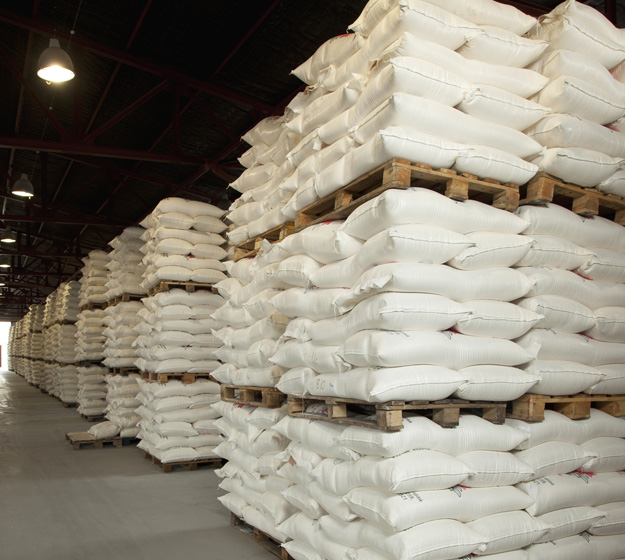
Search our core industrial ingredient portfolio categorized by functional performance, chemical composition, and targeted meat application matrices.
| Ingredient Category | Key Products & Technical Specifications | Primary Functional Role | Industrial Target Applications |
|---|---|---|---|
| Functional Proteins & Binders | Soy Protein Isolate (90% protein, 100-mesh), Vital Wheat Gluten, High-Gel Egg White Powder, Textured Soy Protein (TSP/TVP), Pork Collagen Hydrolysate. | Emulsification, fat-to-water binding, texture firming, sliceability improvement, purge elimination. | Frankfurters, bologna, comminuted sausage, chicken nuggets, meatballs, restructured hams. |
| Phosphate & Yield Modifiers | Sodium Tripolyphosphate (STPP - Food Grade, high solubility), Tetrasodium Pyrophosphate (TSPP), Potassium Tripolyphosphate, Acid Pyrophosphate (SAPP). | pH elevation, ionic strength boost, myofibrillar filament extraction, purge reduction, cook yield maximization (+8–15%). | Injected poultry breasts, tumble-marinated pork loins, bacon brines, restructured beef deli meats. |
| Hydrocolloids & Gelling Agents | Kappa-Carrageenan (Refined/Semi-refined), Iota-Carrageenan, Sodium Alginate (Low/Medium Viscosity), Xanthan Gum, Konjac Glucomannan, Guar Gum. | Cold-set gelling, brine viscosity control, syneresis prevention, freeze-thaw stability during frozen storage. | Pumped hams, turkey breasts, canned meats, low-fat sausages, meat analog hybrids. |
| Starches & Extenders | Modified Tapioca Starch (Cross-linked, Hydroxypropylated), Native Potato Starch, Pregelatinized Corn Starch, Pea Starch, Cassava Flour. | Water absorption, thermal gelation during pasteurization, yield expansion, cost-per-pound optimization. | Emulsified sausages, meat patties, ground beef extenders, value-tier poultry items. |
| Curing & Color Preservation | Cultured Celery Powder (Standardized Nitrate/Nitrite), Sodium Erythorbate, Ascorbic Acid, Sodium Nitrite 6.25% (Prague Powder #1), Acerola Cherry Extract. | Nitroso-myoglobin pink color development, lipid oxidation prevention, C. botulinum inhibition, clean-label shelf-life. | Cured hams, bacon, pepperoni, dry-fermented salami, hot dogs, snack sticks. |
| Antimicrobials & Acidulants | Buffered Vinegar Powder, Sodium Lactate (60% liquid), Potassium Lactate / Sodium Diacetate blends, Citric Acid, Encapsulated Lactic Acid. | Pathogen control (Listeria monocytogenes, Salmonella), pH drop in dry sausage fermentations, shelf-life extension. | Ready-to-eat (RTE) deli meats, fresh pork sausage, summer sausage, beef jerky. |
| Enzymes & Cross-Linkers | Transglutaminase (TG Enzyme - Activa TG formulation), Papain, Bromelain, Fungal Protease. | Covalent Isopeptide cross-linking of lysine and glutamine, cold-set meat restructuring, meat tenderization. | Restructured steaks, raw medallions, bacon-wrapped tenderloins, reformed poultry cuts. |
Our formulation specialists analyze your processing parameters (shear rate, tumbler speed, injection pressure, brine temperature) to match exact ingredient specifications.

Global procurement of meat processing ingredients is undergoing a structural paradigm shift. Simple spot-market purchasing is being replaced by long-term strategic contracts, multi-region hedging, and rigorous ESG sustainability auditing. Commercial buyers must navigate three macro trends defining the next half-decade of meat formulation:
Regulatory authorities including the USDA, FDA, and European Food Safety Authority (EFSA) are implementing aggressive voluntary and mandatory sodium targets across processed meats. Formulators can no longer simply remove Sodium Chloride or Sodium Tripolyphosphate (STPP) without experiencing severe yield collapse and purge leakage. The emerging strategy utilizes high-solubility Potassium Tripolyphosphate in tandem with specialized yeast extracts, flavor-enhancing nucleotides (IMP/GMP), and citrus fibers to maintain ionic strength and water binding while achieving up to 30% sodium reduction on finished package labels.
Consumers continue to demand "No Added Nitrates or Nitrites" declarations on cured meat products. However, early clean-label iterations suffered from inconsistent color stability, lingering vegetable off-flavors, and shortened shelf lives. Procurement leads are now contracting next-generation pre-converted cultured celery powders standardized to exact nitrite equivalents alongside high-potency cherry powders (rich in natural L-ascorbic acid). This yields accelerated curing kinetics equivalent to traditional sodium nitrite (E250) while retaining audit-compliant clean-label packaging status.
With live-animal livestock prices subject to climate, disease, and feed grain volatility, global processors are expanding "Hybrid Meat" platforms. Incorporating 10% to 30% functional textured pea protein, highly soluble soy protein isolates, or hydrolyzed pork collagen into comminuted beef and pork items dramatically reduces raw material cost-per-pound, lowers carbon intensity scores, and improves moisture retention during commercial reheating cycles.
How advancements in hydrocolloid modification, enzymatic cross-linking, and high-pressure processing (HPP) are reshaping industrial meat manufacturing.
High-Pressure Processing (HPP) operates at pressures up to 600 MPa to eliminate pathogens without heat. Traditional starches fail to hydrate under cold HPP environments. Modern modified cold-swelling tapioca starches and iota-carrageenan polymers are specifically structured to gel under extreme hydrostatic pressure, sealing water inside the meat matrix without thermal denaturation.
Cold-set transglutaminase (TG) enzyme technology has evolved beyond basic trim binding. Advanced microbial TG preparations now incorporate specific carrier proteins that accelerate cross-linking in low-salt, whole-muscle poultry and beef cuts, enabling precision portion control, zero-trim yield, and automated high-speed slicing with virtually no slice scrap loss.
Replacing synthetic antioxidants like BHA, BHT, and propyl gallate is critical for modern label appeal. Deodorized rosemary extracts combined with green tea polyphenols and natural tocopherols effectively halt lipid auto-oxidation in high-fat pork sausages and ground beef, maintaining warm-over flavor protection and color stability over extended refrigerated display cycles.
Discover how AIFI's technical infrastructure converts raw material procurement into a predictable, high-yielding operating model.
Our meat scientists optimize your brine viscosity, salt dissolution rates, and phosphate dispersion sequences. Prevent needle clogging in high-speed injectors and achieve uniform green weight gains of 15% to 45% with absolute batch-to-batch consistency.
Tailored hydrometer targets and brine stability profiles provided with every program.
Never halt a plant production line due to late raw materials. AIFI operates strategically placed warehousing across the 48 contiguous states, delivering full truckloads (FTL) and less-than-truckload (LTL) shipments of meat processing ingredients within tight delivery windows.
Multi-origin inventory reserves buffer your facility against regional transport disruptions.
Pass GFSI, SQF, BRC, and USDA plant audits without paperwork bottlenecks. Every lot shipped is paired with comprehensive specification packs: Lot-Specific COAs, Heavy Metal Screening, Microbiological Assays, Allergen Disclosures, and Non-GMO verification.
Instant digital document retrieval accelerates your quality control intake workflows.
Meat processing costs depend heavily on foundational commodities like soy, corn starches, eggs, and phosphates. Our market trading desk publishes weekly pricing forecasts every Friday, providing buyers with raw data to time forward supply contracts.
Empower procurement with evidence-based market timing rather than reactive spot buying.
Accelerate your product development pipeline. We supply bench-scale sample quantities (1kg to 25kg) of specialized meat binders, starch derivatives, and functional proteins for immediate pilot plant testing and thermal yield verification.
Technical advice available directly from experienced meat formulation scientists.
Simplify plant batching and eliminate scaling errors. AIFI offers toll dry-blending and custom pre-metered batch packaging for complete binder, cure, and seasoning packs structured around your exact batch size limits.
Reduce plant labor costs, minimize dust exposure, and ensure 100% formulation accuracy.
Addressing high-intent technical, operational, and regulatory prompts regarding commercial meat processing ingredients.
Functional meat processing ingredients elevate WHC through two primary biochemical mechanisms: electrostatic repulsions and mechanical matrix entrapment. Alkaline phosphates like Sodium Tripolyphosphate (STPP) increase the electrical charge of meat proteins, pushing the pH above the isoelectric point (~5.1). This expands the spacing between actin and myosin filaments, opening molecular binding sites for water retention during tumbling or injection.
Concurrently, hydrocolloids (such as Kappa-Carrageenan) and modified tapioca starches undergo thermal gelation during pasteurization (65°C–74°C). They absorb free capillary water and lock it within a three-dimensional gel network. This prevents purge accumulation in vacuum packages and drastically reduces cook loss during smokehouse thermal processing, resulting in net green weight yield improvements ranging from 8% to over 30% depending on pump rates.
To replace synthetic sodium nitrite (E250), commercial processors use standardized cultured celery powders containing natural nitrates. When combined with nitrate-reducing bacterial starter cultures (such as Staphylococcus carnosus) or when supplied as pre-converted natural nitrite powders, they generate the identical nitric oxide binding mechanism with myoglobin. Natural ascorbic acid sources, such as acerola cherry powder, are added to accelerate color conversion.
To eliminate synthetic phosphates (STPP) on clean-label packaging, processors combine functional citrus fiber, native tapioca or potato starch, high-gel dried egg white solids, and sodium bicarbonate. Citrus fibers provide high physical water holding capacity, while egg whites form a rigid thermal matrix that binds meat pieces tightly without chemical additives.
Transglutaminase (TG) enzyme is typically applied at 0.1% to 0.5% of total formulation weight based on standard commercial enzyme activity levels (e.g., 100 units per gram). TG catalyzes an isopeptide covalent bond between the acyl group of a glutamine residue and the primary amine group of a lysine residue in meat proteins.
Because TG enzyme functions without heat, raw meat cuts can be massaged with a TG slurry or dry mix, stuffed into casings or vacuum molds, and allowed to set under refrigeration (2°C–4°C) for 6 to 18 hours. Once cross-linked, the resulting restructured logs exhibit native whole-muscle slice strength and thermal stability, allowing raw slicing or cooking without structural bond failure.
Starch selection is dictated by gelatinization temperature, amylose-to-amylopectin ratio, and cross-linking chemistry. Hydroxypropylated modified tapioca starches are the gold standard for injected poultry and cooked hams intended for frozen distribution. Tapioca starch features a low gelatinization temperature (~62°C), meaning it fully hydrates and gels within lower internal cook target temperatures.
Furthermore, modified tapioca exhibits extremely low retrogradation (re-crystallization of starch chains during cold storage), which prevents syneresis (water squeeze-out). Native starches (such as native corn or potato) can be used for clean-label products, but require higher thermal process temperatures to hydrate completely and present higher purge risks over extended freeze-thaw cycles.
Every commercial ingredient batch shipped by AIFI includes a comprehensive, audit-ready regulatory documentation packet designed for seamless quality intake compliance. This pack includes:
Purge reduction in long-shelf-life deli meats requires a multi-layered functional hydrocolloid and protein strategy. Combining Kappa-2 Carrageenan or Iota-Carrageenan with a modified tapioca starch creates a synergistic moisture-trapping hydrocolloid matrix that remains firm under refrigerated display lighting. Additionally, incorporating 1.0% to 1.5% pork collagen hydrolysate or functional soy protein isolate binds free water at the cellular interface. Finally, regulating brine pH to 6.2–6.4 with sodium tripolyphosphate ensures maximum native meat protein water retention prior to thermal setting.
Whether you manage procurement contracts, QA compliance, or plant operations, AIFI provides the structural backing necessary for high-volume meat manufacturing.
Consolidated multi-ingredient contracts, transparent landed-cost pricing, market intelligence updates every Friday, and multi-origin supplier options that eliminate single-source supply chain vulnerability.
Fully vetted suppliers, lot-by-lot traceability, 100% complete documentation packs delivered prior to truck arrival, and strict compliance with USDA-FSMA and GFSI safety benchmarks.
Direct access to seasoned food scientists, rapid benchtop sample delivery, custom dry-blend packaging, and practical application guidance tailored to your injectors, tumblers, and smokehouses.
Tell us your target yield, finished product specs, or clean-label goals. Our technical sourcing team will evaluate your formulation and deliver competitive pricing, samples, and technical documentation within 24 hours.