
Global confectionery is expanding, but buyers face a complicated ingredient landscape. Grand View Research estimated the global confectionery market at approximately USD 235 billion in 2023. Its report also projects steady growth through 2030. However, market estimates vary because researchers define confectionery categories differently. That difference matters.
Ingredients shape more than taste. They influence texture, shelf life, appearance, nutrition, processing efficiency, and consumer trust. Cocoa, sugar, dairy powders, nuts, pectin, gelatin alternatives, flavors, colors, emulsifiers, and sweeteners each bring specific sourcing risks. A chocolate coating may fail because of poor tempering. A fruit filling may separate after transport. A bright color may lose stability under heat or light.
Practical testing is essential. Buyers should compare certificates, allergen controls, batch consistency, and traceability before discussing price. The International Cocoa Organization’s market reports highlight continuing volatility in cocoa supply and pricing. Meanwhile, Innova Market Insights’ consumer research shows strong interest in indulgence, cleaner labels, and products with recognizable ingredients. These trends can conflict. A short label is not automatically a better label.
This guide examines 10 Best Confectionery Ingredients for Global Buyers. It focuses on functional performance, commercial availability, documentation, and application fit. Supplier claims need verification. Even respected data reports have limits. Regional regulations, climate exposure, and manufacturing equipment can change the final result. A useful ingredient on paper may perform poorly in a real factory. That is why every recommendation should support sampling, pilot production, and independent quality review.
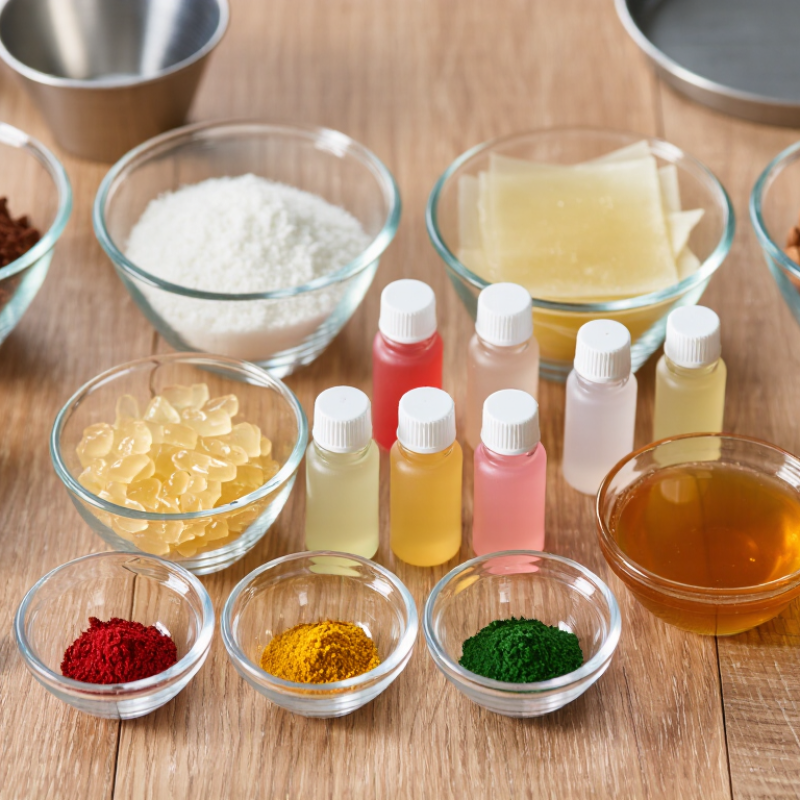
Sugar and glucose syrup are the foundation of confectionery sweetness, structure, and shelf stability. USDA’s Foreign Agricultural Service, in Sugar: World Markets and Trade, November 2024, forecasts global sugar production at about 186 million metric tons for 2024/25. That scale explains the market’s price sensitivity. Yet volume alone does not guarantee consistent performance.
Sucrose provides clean sweetness and firm crystal formation. Glucose syrup behaves differently. Its dextrose equivalent, or DE, influences sweetness, viscosity, moisture retention, and crystallization control. In caramels, gummies, and fondants, the right syrup can create a smooth bite and reduce unwanted graininess. The OECD-FAO Agricultural Outlook 2024-2033 projects continued growth in global sugar consumption, at roughly 1.3% annually. Buyers should therefore compare more than price. Check Brix, DE, moisture, ash, microbial limits, and batch consistency. Codex standards can support a reliable baseline, but local requirements may differ. A neat specification can still fail in production.
Tips: Request a recent certificate of analysis and a small production trial. Test the ingredient after transport, not only in the laboratory. Measure texture after seven and thirty days. A cheaper syrup may increase cooking time or shorten shelf life. That trade-off is easy to miss. One assumption deserves review: higher DE does not always mean better candy. It may increase sweetness, but it can also change chew, stickiness, and moisture migration.
| No. | Ingredient | Typical Commercial Form | Approx. Sweetness vs. Sucrose | Typical Solids / Purity | Main Functional Benefits | Common Confectionery Uses | Key Buying Considerations |
|---|---|---|---|---|---|---|---|
| 1 | Cane Sugar | Granulated crystals, caster sugar, or refined liquid sugar | 100% | Usually about 99.5% or higher sucrose in refined grades | Provides clean sweetness, bulk, body, browning, and crystalline structure | Hard candy, fondants, toffee, caramel, gummies, chocolate fillings, and baked confectionery | Check crystal size, polarization, color, moisture, microbiological limits, and origin documentation |
| 2 | Beet Sugar | White crystalline sucrose | 100% | Usually about 99.5% or higher sucrose in refined grades | Delivers consistent sweetness and solids for syrups, fillings, and crystallized products | Boiled sweets, fondant, cream centers, caramels, and sugar-based bakery products | Evaluate purity, moisture, ash, color, crystal size, and compatibility with local labeling requirements |
| 3 | Glucose Syrup | Clear to slightly amber aqueous syrup, commonly starch-derived | Approximately 30–55%, depending on dextrose equivalent (DE) | Commonly 78–85% dry solids; DE often ranges from 38 to 60 | Controls crystallization, adds viscosity, improves chew, reduces water activity, and contributes body | Caramels, toffees, gummies, jellies, marshmallows, nougat, hard candy, and fondant | Specify DE, dry solids, viscosity, color, pH, sulfur dioxide limits, and source starch |
| 4 | High-Maltose Syrup | Viscous syrup with a high proportion of maltose | Approximately 35–55% | Often around 80% dry solids; maltose content varies by specification | Provides moderate sweetness, a smooth mouthfeel, lower crystallization tendency, and good heat stability | Hard candy, chewy candy, nougat, cereal bars, caramel, and specialty fillings | Confirm maltose percentage, dry solids, viscosity, color, thermal stability, and allergen status of the source |
| 5 | Invert Sugar Syrup | Liquid mixture of glucose and fructose produced by sucrose inversion | Approximately 105–125% | Commonly 70–80% dry solids | Enhances moisture retention, softness, gloss, and resistance to sucrose crystallization | Soft caramels, fondant, truffles, cream centers, ganache, marshmallow, and praline fillings | Check invert sugar content, dry solids, pH, color, viscosity, and storage stability |
| 6 | Dextrose Monohydrate | White crystalline powder containing one molecule of crystallization water | Approximately 70–80% | Typically high-purity dextrose on a dry basis; moisture is higher than anhydrous dextrose | Adds mild sweetness, promotes browning, lowers freezing point, and modifies crystallization | Chewable candy, tablet candy, chewing gum, fillings, coatings, and powdered confectionery | Specify dextrose equivalent, moisture, particle size, microbiological quality, and caking performance |
| 7 | Crystalline Fructose | Fine white crystalline powder | Approximately 120–170% | Typically about 98% or higher fructose, depending on grade | Provides high sweetness at low inclusion levels, rapid dissolution, and strong moisture attraction | Reduced-sugar formulations, soft centers, chewing gum, fruit-flavored candy, and powdered mixes | Manage hygroscopicity, packaging moisture barrier, particle size, purity, and formulation browning |
| 8 | Liquid Sugar | Pre-dissolved sucrose solution | 100% | Often supplied at approximately 65–67% sucrose solids | Offers rapid dosing, consistent sweetness, reduced dust, and shorter dissolution time | Caramel, fondant, jellies, cream fillings, beverages, and continuous candy production | Review concentration, invert sugar level, color, microbiological controls, tank storage, and delivery temperature |
| 9 | Icing Sugar | Finely milled sucrose powder, sometimes containing a small amount of anti-caking agent | 100% | Usually about 95–99% sucrose, depending on the anti-caking specification | Dissolves quickly, creates a smooth texture, and supports dry blending and surface decoration | Fondant, cream fillings, coatings, frosting, dusting, praline, and molded confectionery | Check particle-size distribution, starch or anti-caking agent declaration, moisture, and flowability |
| 10 | Maltose Syrup | Clear, viscous syrup containing maltose and other glucose-derived saccharides | Approximately 30–50% | Commonly around 75–82% dry solids, depending on grade | Provides body, mild sweetness, gloss, chewiness, and improved control of sucrose crystallization | Nougat, taffy, caramel, chewy candy, hard candy, fillings, and traditional confectionery | Specify maltose content, dry solids, DE, viscosity, color, pH, and compatibility with the target process |
Sugar provides sweetness and firm crystal formation. Glucose syrup adds viscosity and helps control crystallization. Together, they shape texture and shelf stability.
DE affects sweetness, viscosity, moisture retention, and crystallization. Higher DE is not automatically better. It may increase stickiness or moisture migration.
Check Brix, DE, moisture, ash, microbial limits, and batch consistency. Request a recent certificate of analysis. Then run a small production trial.
Heat and handling can change performance. Test the syrup after delivery, not only in a laboratory. Measure texture after seven and thirty days.
Cocoa powder contributes flavor, color, and acidity. Cocoa butter provides clean melting and mouthfeel. Particle size and fat content also influence processing.
Test samples in the final recipe. Compare color, roast character, viscosity, cooling behavior, and mouthfeel. Check two or three batches when consistency matters.
Pectin is plant-based and often needs controlled acidity, sugar, heat, or calcium. Gelatin comes from collagen and creates an elastic, quick-melting texture.
Small pH changes can weaken pectin gels. Excess heat can reduce gelatin performance. A fresh sample may still soften after two weeks.
Review gel strength, viscosity, setting temperature, particle size, moisture, and microbial limits. For gelatin, confirm animal source, traceability, and dietary details.
No document can replace application testing. Raw materials may change with seasons and batches. My own judgment can be wrong, so repeated trials matter.
Choosing the right Confectionery Ingredients is essential for creating products with consistent flavor, texture, appearance, and shelf stability. Sugars and glucose syrup form the foundation of sweetness while helping control moisture, chewiness, softness, and structure. Cocoa powder and cocoa butter provide the rich taste, color, and smooth mouthfeel required in chocolate-based treats. Milk powder and plant-based creamers add creaminess, body, and balanced dairy or non-dairy character to a wide range of formulations.
Pectin and gelatin support the desired firmness and elasticity in gummies, jellies, marshmallows, and other soft confections, while offering flexibility for different product requirements. Natural flavors and food colors further enhance consumer appeal by delivering recognizable taste profiles and attractive visual results. For global buyers, evaluating ingredient quality, functionality, consistency, compatibility, and regulatory suitability can help ensure reliable production and create confectionery products that meet diverse market preferences.