
Leading the Food Ingredient Supply Chain  |  2,500+ Ingredients · 48 States

Food Ingredient Blog & Sourcing Insights

Expert analysis on ingredient trends, market movements and formulation guidance from AIFI's sourcing specialists.

Weekly Market Report ›
0%

Buying Dried Egg Ingredients is a technical sourcing decision, not just a price comparison. Whole egg powder, yolk powder, and egg white powder behave differently in batters, sauces, bakery mixes, and protein products. The right choice can affect color, foaming, binding, and finished texture. Small differences matter.

Supply scale makes careful specification worthwhile. The USDA National Agricultural Statistics Service reported approximately 109 billion eggs produced in the United States in 2023. FAOSTAT, the Food and Agriculture Organization’s statistical database, tracks egg production across countries and years, illustrating how broad the supply base can be. Those figures describe shell-egg production, not dried-ingredient availability or quality. Buyers should not treat them as a guarantee of steady pricing or supply.

A useful purchasing review starts with the intended application. Ask for a current specification sheet, ingredient declaration, protein and moisture values, microbiological criteria, and a certificate of analysis for the lot. Then check the spray-drying process, packaging integrity, storage guidance, and traceability documents. Practical details count: a powder that clumps after opening can slow production, even when its quoted price looks attractive. Request a sample and test it in the actual recipe, not just in a supplier’s demonstration. Compare batches where possible. One sample is not proof of consistency.

There is no perfect checklist. A promising supplier may still need closer review. The following seven tips focus on evidence buyers can verify, questions worth asking, and common details that are easy to overlook.
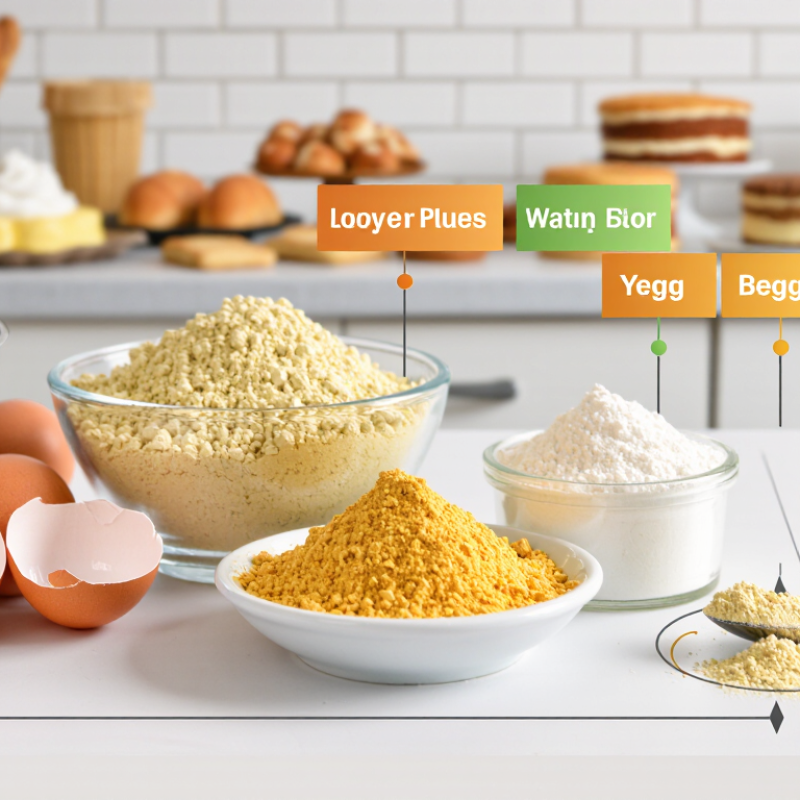
7 Tips for Buying Dried Egg Ingredients

Identify the Dried Egg Ingredient That Fits Your Recipe

Choose the dried egg ingredient by asking what the recipe needs it to do. Whole egg powder suits pancakes, muffins, and pasta dough, where both yolk richness and white proteins matter. Dried egg whites are useful for meringues, icings, and recipes that need lift without added fat. Dried yolks bring color and richness to sauces, custards, and baked goods. Texture matters.

Read the ingredient label and preparation directions carefully. Some products are pure egg; others include stabilizers or added ingredients that may affect flavor and performance. Check the recommended water ratio, since powders can differ in how they rehydrate. A paste that looks slightly lumpy may need a short rest before mixing. I would not assume every powder swaps evenly for fresh eggs; that is an easy mistake, especially in delicate cakes. For a new recipe, test a small batch and note the weight used, the amount of water, and the finished texture. If the recipe depends on whipped egg whites, choose a product specifically suited to whipping, and follow its instructions. For simple batters, a whole-egg powder may be the more practical fit. After opening, keep the powder sealed and dry; even a damp measuring spoon can cause clumping.

Review Ingredients, Processing Methods, and Product Specifications

When buying dried egg ingredients, match the product to the recipe. Whole egg powder, yolk powder, and egg white powder behave differently in baking and prepared foods. Read the ingredient list, not just the front label. Check whether it includes salt, sugar, stabilizers, or other additions. Small details matter.

Tip: Review how the eggs were processed and handled. Spray-dried powders are common, but processing conditions can affect flavor, color, and performance. Ask for product documentation that describes processing and any relevant food-safety controls. A polished specification sheet is useful, but it may not answer every question. Follow up when details are unclear.

Tip: Compare specifications side by side. Look for protein and fat levels, moisture content, solubility, packaging, storage instructions, and shelf life. These can affect mixing, texture, and inventory planning. Confirm the intended application with a small trial batch; a powder that dissolves well in one formula may clump in another. Check the lot details on delivery, too. Specs can vary within stated tolerances, and I would not assume every shipment performs identically.

Compare Nutrition, Functionality, and Ease of Rehydration

When comparing dried egg ingredients, start with the form: whole egg, yolk, or white. Each offers a different balance of protein, fat, and other nutrients, so check the nutrition panel rather than assuming they are interchangeable. Whole egg powder may suit baked goods that need both yolk richness and white protein. Egg white powder can help with foams, while yolk powder adds richness to sauces and doughs. The details matter.

Functionality depends on the recipe. For a sponge cake, ask whether the powder whips reliably; for pasta, consider color and binding. I find this comparison imperfect: labels rarely show exactly how an ingredient behaves in your kitchen. Small test batches help. Keep the recipe and mixing method consistent, and note the texture before scaling up.

Ease of rehydration can save time, but it is not just about how quickly powder disappears. Check the supplier’s water-to-powder directions, then look for a smooth mixture without dry pockets or stubborn lumps. Use cool or room-temperature water unless the instructions specify otherwise. Letting the mixture stand briefly may improve hydration, though results vary by product. A little trial and error is normal. Also check storage guidance and pack size; a large container is less practical if you use egg powder only occasionally.

7 Tips for Buying Dried Egg Ingredients

Compare protein and fat content in common dried egg ingredients (approximate grams per 100 g).

Dried egg white is typically the leanest, protein-rich option; dried yolk is higher in fat, while dried whole egg provides both. Values are approximate and can vary by product. Nutrition figures are rounded estimates from generic USDA FoodData Central entries. Check the product label and rehydration instructions when comparing ingredients.

Check Packaging, Shelf Life, and Storage Requirements

When buying dried egg ingredients, inspect the package before comparing prices. Choose an intact pouch or container with a tight seal, clear ingredient information, and no punctures, damp spots, or swollen areas. Check that the lot code and best-before date are readable. If the label is smudged, ask the seller for clarification rather than guessing. Packaging can look fine while offering too little information.

Tip: Compare the remaining shelf life with how quickly you expect to use the product. A large pack may cost less per ounce, but it is not a bargain if it sits open for months. Look for storage instructions on the label, since powders and flakes may have different handling needs. Small details matter.

Before purchasing, make sure you have a cool, dry storage spot away from the oven, sink, and direct sunlight. Follow the package directions, especially after opening; some products need an airtight container, while others specify refrigeration. Keep the original label nearby, so dates and instructions are not lost. Moisture is easy to miss. It can cause clumping and may affect quality. It is tempting to assume every dried egg product stores the same way, but that shortcut can lead to waste. When in doubt, follow the manufacturer’s stated guidance.

Evaluate Suppliers, Pricing, and Product Samples

A low price per kilogram can hide costly differences in solids, moisture, freight, and minimum order size. Compare delivered cost per usable kilogram, not just the quoted price. USDA AMS’s weekly Egg Markets Overview reports wholesale shell-egg conditions, but shell-egg prices are not direct quotes for dried ingredients. Use them as market context, then request dated powder quotes with freight and validity periods. USDA NASS reported about 109 billion eggs produced in the United States in 2023 (Chickens and Eggs 2023). That scale is useful context, not proof that any supplier can meet your specification.

Ask each supplier for a current certificate of analysis, lot traceability, ingredient composition, moisture limits, and microbial test results. Check the powder. Compare samples in the same recipe, using identical weights, water, mixing time, and baking temperature. Note how quickly the powder disperses, whether it leaves lumps, and how the finished product smells and browns. Keep a small control batch; memory is a poor measuring tool. Request samples from more than one lot if consistency matters, and record the lot numbers. A sample may perform well while routine production varies. That is easy to overlook. Before committing, confirm packaging, shelf-life conditions, lead times, and how the supplier handles specification changes.

7 Tips for Buying Dried Egg Ingredients - Evaluate Suppliers, Pricing, and Product Samples

Tip What to Evaluate Practical Check Records or Comparison Points
1 Define the ingredient Specify whether you need whole egg, yolk, white, or a formulated blend. Confirm intended use, such as baking, sauces, or prepared foods, and whether the product must be pasteurized. Compare product description, ingredient statement, intended application, and any required customer or regulatory specifications.
2 Review food-safety controls Ask how the supplier manages pathogen risks, hygiene, allergen controls, and sanitation. Verify that the product and process meet the requirements for your market and use. Request current food-safety documentation and relevant test or audit records. Confirm that the documents apply to the facility and product being quoted.
3 Check traceability and consistency Confirm that each delivery can be linked to a production lot and that the supplier has a process for investigating quality issues and handling product withdrawals. Review a sample certificate of analysis, lot identification format, product specification, and documented change-notification process.
4 Compare like-for-like pricing Compare offers for the same egg type, composition, pack size, order quantity, delivery terms, and specification. Include freight, duties where applicable, and handling charges. Calculate landed cost per usable unit. Record quote validity, minimum order quantity, payment terms, lead time, and any extra testing or packaging costs.
5 Request representative samples Ask for a sample that reflects the product offered for regular supply. Keep its lot details and store it as directed on the supplier’s label. Record sample lot, date received, packaging condition, stated storage instructions, and the specification supplied with the sample.
6 Run a controlled product trial Test the sample in your actual recipe or process. Use the same formula, mixing method, equipment, and evaluation criteria when comparing samples. Assess relevant results such as reconstitution, appearance, taste, texture, foaming or binding performance, and finished-product yield.
7 Confirm storage and supply terms Check packaging suitability, storage instructions, shelf-life information, delivery conditions, and the supplier’s ability to support your expected order schedule. Agree on order size, lead time, remaining shelf life at delivery, packaging format, complaint process, and how specification changes will be communicated.

Note: Specifications, food-safety obligations, shelf life, and storage conditions vary by product and market. Verify requirements against the product documentation and applicable local regulations before purchasing.

FAQS

Which dried egg ingredient works best in pancakes or muffins?

Whole egg powder provides both yolk richness and white proteins. It can also suit pasta dough.

When should I choose dried egg whites?

Choose them for meringues, icings, or recipes needing lift without added fat. Check that the product is suited to whipping.

What do dried egg yolks add to a recipe?

They bring richness and color to sauces, custards, and baked goods. The result still depends on the recipe.

Can dried egg powder replace fresh eggs in equal amounts?

Not always. Follow the package’s water ratio and test a small batch, especially for delicate cakes.

How can I check whether the powder rehydrates well?

Mix it with the directed amount of water and check for dry pockets or stubborn lumps. A short rest may help.

What should I compare on nutrition labels?

Check the protein, fat, and other nutrient information for the specific form. Whole egg, yolk, and white powders are not identical.

What should I look for on the package before buying?

Check the seal, ingredient information, lot code, and best-before date. Avoid packages with punctures or damp spots.

How should opened egg powder be stored?

Follow the package instructions and keep the powder sealed and dry. Even a damp measuring spoon can cause clumps.

Conclusion

Choosing the right Dried Egg Ingredients starts with matching the product to your recipe and intended use. Consider whether whole egg, egg white, or egg yolk powder best suits the flavor, texture, and performance you need. Review the ingredient list, processing method, and product specifications, then compare nutritional content, functional qualities, and how easily the powder rehydrates. These details can affect consistency and results in baked goods, mixes, and other recipes.

Before purchasing, check the packaging, shelf life, and storage requirements to ensure the product will remain suitable throughout its expected use. Evaluate suppliers by reviewing their product information, communication, pricing, and availability of samples. Testing a small sample in your own recipe can help confirm taste, texture, and performance before you make a larger purchase. A careful comparison of these factors can help you select an option that meets both your recipe needs and practical requirements.

Ethan Caldwell

Ethan Caldwell

Ethan Caldwell is a seasoned marketing professional dedicated to helping businesses understand products, industries, and emerging market opportunities through clear, practical communication. With a strong command of the company’s product portfolio, customer needs, and service capabilities, Ethan......