
Leading the Food Ingredient Supply Chain  |  2,500+ Ingredients · 48 States

Food Ingredient Blog & Sourcing Insights

Expert analysis on ingredient trends, market movements and formulation guidance from AIFI's sourcing specialists.

Weekly Market Report ›
0%

The 2026 search for the best Beer Wine and Spirits Ingredients suppliers requires more than comparing prices. Producers need dependable materials, documented origins, and technical support that works beyond a sales brochure. Malt, hops, yeast, fruit preparations, botanical extracts, acids, enzymes, colors, and flavor systems can shape aroma, mouthfeel, clarity, stability, and production efficiency. Small differences matter. A warmer warehouse or delayed shipment can change a finished drink.

Brewing scientist Charlie Bamforth has described beer as “the world’s most complex food.” His observation reflects a practical truth: ingredient quality interacts with water, equipment, fermentation conditions, packaging, and time. The strongest suppliers understand these connections. They provide consistent specifications, batch testing, allergen information, traceability records, and clear storage guidance. They also help manufacturers adjust recipes without weakening sensory identity. That support can be decisive when a seasonal crop changes or a new product must scale quickly.

This guide examines leading suppliers for 2026 through an experience-based and evidence-focused lens. It considers product performance, technical expertise, responsible sourcing, certifications, delivery reliability, and transparent communication. Sustainability will receive attention, but it should not become a vague marketing label. Energy use, agricultural practices, packaging, and transport need measurable evidence. Some rankings may remain imperfect. Regional availability can distort comparisons, and a supplier excellent for craft beer may not suit a premium wine or spirit producer. That limitation deserves honesty. The best choice is not always the largest company. It is the partner that consistently protects quality, compliance, and the character of the final beverage.
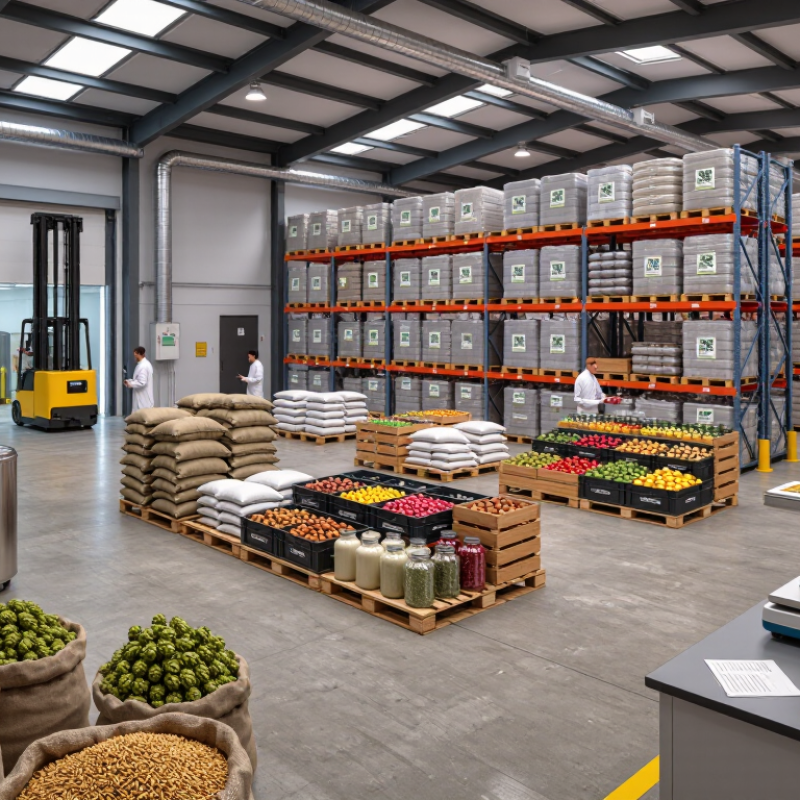
2026 Best Beer Wine and Spirits Ingredients Suppliers?

Beer, Wine, and Spirits Ingredients: Scope and Industry Role

Beer, wine, and spirits ingredients shape flavor, texture, stability, and production efficiency.

Their role extends beyond taste. Malt, hops, yeast, fruit preparations, botanical extracts, acids, sugars, and filtration aids support different beverage systems. In 2026, buyers increasingly assess suppliers through documented quality, not attractive catalogs. A dependable supplier should provide specifications, allergen statements, batch records, and consistent technical support. Experience matters when ingredients behave differently across water profiles, fermentation temperatures, or storage conditions. Small variations can change aroma and mouthfeel.

The best supplier is rarely the cheapest. It is the partner that understands application limits and communicates clearly.

Technical teams may support pilot trials, dosage ranges, sensory evaluation, and stability testing. Regulatory knowledge is equally important. Ingredients should be sourced and labeled according to each destination market’s requirements. Traceable manufacturing, hygienic handling, and transparent change-control practices reduce avoidable risks. Still, no supplier is perfect. A promising sample can fail during scale-up, and an impressive specification may not predict consumer acceptance. Practical verification remains necessary.

Tips:

Request recent batch samples. Compare performance in your own base beverage. Ask how deviations are investigated. Confirm storage conditions and shelf life before purchasing. Keep trial notes, including temperature, contact time, and sensory results. Do not rely on one successful test. Repeat it.

Key Ingredient Categories Used Across Beverage Production

2026 Best Beer, Wine and Spirits Ingredients Suppliers?
Key Ingredient Categories Used Across Beverage Production

Selecting ingredient suppliers in 2026 requires more than comparing prices. Producers need stable quality, clear documentation, and reliable delivery schedules. Grains, malted cereals, and specialty sugars shape fermentation, color, body, and alcohol yield. Their moisture levels can change from one harvest to another. That detail matters.

Hops, herbs, spices, fruit concentrates, and botanical extracts create aroma and flavor. Winemakers often assess grape derivatives, tannins, yeast nutrients, and acidity regulators. Distillers may need grains, molasses, botanicals, wood-derived extracts, and carefully treated water. Yeast cultures and enzymes also influence fermentation speed and sensory character. Small temperature differences can alter the final profile.

Ingredient suppliers should provide certificates of analysis, lot traceability, storage guidance, and allergen information. Samples should be tested in the intended recipe, not only in a laboratory cup. A supplier may offer excellent specifications, yet perform poorly during transport or seasonal shortages. That risk deserves attention. Sensory panels, pilot batches, and production records help verify consistency. Still, no evaluation is perfect. Teams can overlook a minor flavor shift until customers notice it. Regular reviews, honest supplier communication, and documented corrective actions support more dependable beverage production.

How to Evaluate Ingredient Suppliers in 2026

How to Evaluate Ingredient Suppliers in 2026

In 2026, ingredient sourcing requires more than attractive pricing. Beer, wine, and spirits producers need verified quality, stable logistics, and clear documentation. The IWSR Drinks Market Analysis No- and Low-Alcohol Strategic Study 2024 forecasts 7% annual volume growth from 2023 to 2028. This shift increases demand for botanical extracts, flavor systems, functional ingredients, and alcohol alternatives. Suppliers should therefore provide batch-specific certificates of analysis, allergen statements, country-of-origin records, and realistic lead times. Ask how they manage temperature-sensitive materials. Also check their recall procedures.

Evaluate performance through controlled trials, not impressive samples alone. Request three production-scale batches when possible. Compare aroma, color, solubility, sediment, and flavor stability after storage. A supplier may perform well in a laboratory and fail in a bright warehouse. I have made that mistake before. I trusted a clean tasting sample too quickly. Review food-safety certifications, audit summaries, change-control policies, and backup manufacturing sites. Sustainability claims need evidence, such as measured water use, packaging data, or transport emissions. Vague promises should slow the decision.

Tips: Build a weighted scorecard. Give quality and safety the highest scores. Test communication during a small pilot order. Check whether documents arrive before delivery. Keep one qualified backup supplier. Reassess annually, because costs, harvests, regulations, and consumer preferences change. Five excellent samples do not prove reliable supply.

Leading Supplier Profiles and Regional Market Coverage

Ingredient suppliers for beer, wine, and spirits are increasingly judged by regional capability, not catalog size. The IWSR 2024 No- and Low-Alcohol Strategic Study forecasts this category to grow by 7% annually from 2023 to 2027. That shift increases demand for specialized yeast, botanical extracts, aroma compounds, enzymes, and alcohol-management technologies.

European suppliers often emphasize fermentation science, traceability, and compliance documentation. North American providers commonly support rapid product development and flexible flavor systems. In Asia-Pacific, suppliers with local sourcing networks can reduce lead times for rice, tea, tropical fruit, and botanical ingredients. The International Organisation of Vine and Wine reported 2023 global wine production at about 237 million hectolitres, the lowest level in more than six decades. Climate pressure makes regional sourcing more important, although supplier claims still require careful verification.

Tips: Ask for batch records, allergen statements, origin certificates, and stability data before approving samples. Compare delivery times by region, not only quoted prices. A supplier may offer excellent technical support but lack dependable inventory near your production site. That weakness is easy to miss. Buyers should also test ingredients in pilot batches, since laboratory results may not predict performance in different water, temperature, or fermentation conditions. No regional profile is complete without reviewing sustainability evidence, backup production sites, and communication during shortages. Mistakes happen, and a transparent correction process often reveals more than a polished sales presentation.

Sourcing, Quality, Compliance, and Sustainability Considerations

2026 Best Beer, Wine, and Spirits Ingredients Suppliers?

Reliable sourcing begins with traceability, not attractive sales samples. Ask suppliers for lot-level records, origin details, harvest dates, and transport conditions. A clear certificate of analysis should cover identity, purity, microbiological limits, allergens, and relevant contaminants. Keep samples from every shipment. They can reveal changes that paperwork misses.

Quality systems must fit the ingredient. Hops, botanicals, fruit concentrates, enzymes, grains, and natural colors need different controls. Review supplier audits, testing methods, corrective actions, and change-notification rules. Request evidence of consistent batch performance. Taste and aroma may shift with climate. That matters.

Compliance requires active monitoring. Requirements can differ across markets and product categories. Verify permitted uses, labeling data, documentation language, and contaminant thresholds before commercial production.

Sustainability claims also need proof. Look for water-use data, renewable energy records, responsible farming practices, recyclable packaging, and fair labor controls. Carbon statements without boundaries are weak evidence.

Cost still matters. However, the cheapest ingredient can create waste, recalls, or unstable flavor. I have seen sourcing plans overvalue certificates and undervalue communication. That is a mistake worth revisiting. Test suppliers through small pilot orders, measure delivery accuracy, and record every deviation. No audit is perfect. A supplier willing to discuss weaknesses may be more dependable than one presenting flawless documents.

FAQS

What documents should an ingredient supplier provide in 2026?

Request batch-specific certificates of analysis, allergen statements, and country-of-origin records. Documents should arrive before delivery. Check identity, purity, microbiological limits, and relevant contaminants.

How can producers test ingredient quality reliably?

Use controlled trials instead of attractive samples alone. Request three production-scale batches when possible. Compare aroma, color, solubility, sediment, and flavor stability after storage.

Why are production-scale trials important?

Laboratory samples may perform well but fail during warehouse storage. Bright light, heat, or transport can change ingredients. I trusted one clean sample too quickly.

What should suppliers explain about logistics?

Ask for realistic lead times and transport conditions. Temperature-sensitive materials need clear handling instructions. Review delivery accuracy during a small pilot order.

How should companies review supplier safety systems?

Examine food-safety certifications, audit summaries, testing methods, and corrective actions. Review recall procedures and change-control policies. No audit is perfect.

How can buyers check compliance across different markets?

Verify permitted uses, labeling information, documentation language, and contaminant thresholds. Requirements may differ by market and product category. Confirm details before commercial production.

What evidence supports a supplier’s sustainability claims?

Request measured water use, packaging data, renewable energy records, and transport emissions. Review farming and labor controls when relevant. Vague promises should slow the decision.

How should ingredient suppliers be compared?

Build a weighted scorecard with quality and safety receiving the highest scores. Include price, communication, logistics, documentation, and sustainability evidence. The cheapest option may create waste or unstable flavor.

Should producers keep a backup supplier?

Yes, keep one qualified backup supplier whenever practical. Harvests, costs, regulations, and preferences can change. Reassess suppliers annually, even after strong results.

Conclusion

Beer Wine and Spirits Ingredients play a central role in beverage production, influencing flavor, aroma, texture, stability, appearance, and product consistency. This article explores the main ingredient categories used across brewing, winemaking, and spirit production, including grains, fruits, botanicals, extracts, yeast, sweeteners, acids, colors, and processing aids. It also explains how these ingredients support product development while meeting changing consumer expectations for quality, authenticity, and responsible sourcing.

The guide presents practical criteria for evaluating suppliers in 2026, such as technical expertise, ingredient consistency, traceability, documentation, production capacity, and regional distribution coverage. It reviews how buyers can compare supplier capabilities across different markets while considering sourcing reliability, quality-control systems, regulatory compliance, allergen management, packaging, storage, and sustainability practices. By applying these considerations, beverage manufacturers can build dependable supply relationships and select ingredients that support innovation, operational efficiency, and long-term product quality.

Amelia

Amelia

Amelia is a dedicated marketing professional with a strong understanding of product strategy, customer needs, and market trends. As a valued member of the company’s communications team, she regularly contributes insightful articles to the corporate blog, helping readers better understand the......