
The East African food manufacturing ecosystem, anchored by Kenya as its industrial hub, has undergone a fundamental transformation over the past decade. Driven by national public health initiatives under the Kenya Bureau of Standards (KEBS) and aligned with East African Community (EAC) harmonized regulations (such as KS EAS 768 for fortified maize meal and KS EAS 767 for fortified wheat flour), mandatory food fortification is no longer optional—it is a critical operational prerequisite for commercial millers, oil refiners, and beverage processors.
Industrial food processors operating in Nairobi, Thika, Eldoret, Nakuru, and Mombasa face unique technical challenges when incorporating essential micronutrients into staple food matrices. Tropical environmental conditions, extended ambient distribution chains through non-refrigerated retail networks, and variable storage humidity require vitamin and mineral premixes engineered for maximum micro-encapsulation integrity and shelf-life thermal retention.
As a specialized global manufacturer and distributor supplying bulk food ingredients and custom vitamin premixes to East Africa, our production facilities engineer stabilized, free-flowing nutrient blends tailored specifically to the regional raw material variations found in Kenyan grains, fats, and dairy bases. By combining essential fat-soluble vitamins (Vitamin A Palmitate, Vitamin D3, Vitamin E), water-soluble B-complex systems (Thiamine, Riboflavin, Niacinamide, Pyridoxine, Folic Acid, B12), and bio-available minerals (NaFeEDTA, Ferrous Fumarate, Zinc Oxide), we deliver turnkey fortification systems that guarantee full regulatory compliance upon KEBS audit verification.
Advanced lipid and carbohydrate matrix coating shields delicate active vitamins from thermal degradation, moisture intrusion, and oxidative stress during extrusion or milling.
Every shipment arrives backed by complete batch Certificates of Analysis (CoA), non-GMO declarations, Allergen Statements, and Kosher/Halal certifications for seamless CoC clearance.
Formulated to prevent pro-oxidant reactions between reactive minerals (such as iron and zinc) and sensitive vitamins, maintaining color, taste, and aroma purity.
The climatic conditions of East Africa present severe hurdles for ingredient stability. Temperatures exceeding 30°C and relative humidity levels reaching over 80% in coastal logistics nodes like Mombasa can rapidly degrade unprotected micronutrients. Vitamin A palmitate, for example, is notoriously susceptible to oxidative destruction when exposed to atmospheric oxygen, trace metallic ions, and elevated heat during transport and warehouse staging.
To solve these operational realities, our factory utilizes state-of-the-art micro-encapsulation spray-drying technologies. By encapsulating hydrophobic vitamins inside food-grade carrier matrices (such as modified starches, maltodextrins, or acacia gums), we create a physical barrier that isolates the active nutrient from environmental stressors until consumption.
Standardized formulations engineered to align with KEBS mandatory mandates while optimizing cost-in-use for high-capacity manufacturing lines.
| Target Food Matrix | Key Micronutrients Included | Fortification Level (ppm / mg/kg) | Carrier System & Carrier Base | Stability Profile |
|---|---|---|---|---|
| Maize Flour / Meal | Vit A, Vit B1, B2, B3, B6, Folate, Iron (NaFeEDTA), Zinc | 250 - 500 g/MT | Degermed Maize Starch / Maltodextrin | 24 Months under ambient tropical storage |
| Wheat Flour (Baking Grade) | Vit A, B-Complex, Iron, Zinc | 150 - 300 g/MT | Fine Wheat Flour Base / Calcium Carbonate | Thermal resilience up to 230°C baking heat |
| Edible Vegetable Oils | Vitamin A Palmitate (1.7M IU/g), Vitamin D3 | 20 - 40 g/MT | Olein / Refined Vegetable Oil Carrier | Light-protected oil dispersion; zero precipitation |
| Dairy & Yogurt Products | Vitamin A, Vitamin D3, Vitamin B12, Calcium | Custom Liquid/Dry Dosage | Water-Dispersible Emulsion System | Homogeneous distribution; no off-flavors |
| Beverage & Nectar Systems | Vitamin C (Ascorbic Acid), B-Complex, Citric Acid | Variable per 100ml RDA target | Water-Soluble Granular Matrix | Low-pH stable; prevents rapid oxidation |
In addition to micronutrient retention, matrix compatibility is paramount. In dry cereal milling, bulk premixes must exhibit identical particle size distributions (mesh size matching) to the underlying flour matrix. If the premix particle size is too coarse or too fine, segregation occurs inside pneumatic conveying systems and high-speed packaging equipment. Our precision sieving and blending technologies yield uniform bulk densities, eliminating segregation risks during automated plant dosing.
We supply high-precision micro-premixes designed for micro-dosing units in large roller mills. Formulated to strictly meet KEBS standards for Ugali maize meal and bread wheat flour without altering color, taste, or dough handling characteristics.
Oily liquid premixes of stabilized Vitamin A Palmitate and Vitamin D3 designed for inline injection prior to packaging. Engineered for crystal-clear clarity, zero cloudiness, and complete solubility in palm olein and sunflower oil.
Heat-stable vitamin enrichment systems for UHT pasteurization and cultured milk. Formulations resist high-temperature short-time (HTST) thermal destruction while preventing proteins from destabilizing or coagulating.
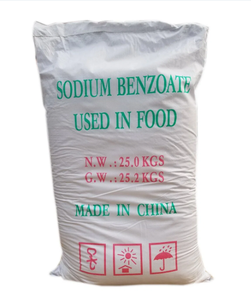
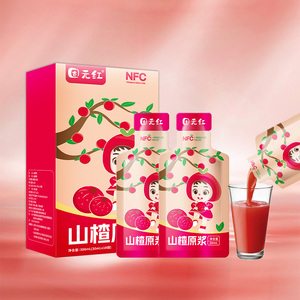
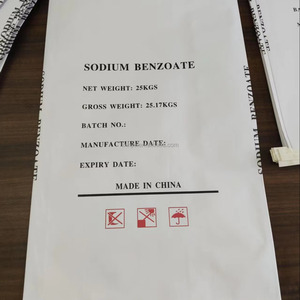
Water-soluble vitamin premixes combined with food-grade acidulants (Citric Acid E330) and bio-preservatives (Sodium Benzoate, Potassium Sorbate). Delivers vibrant flavor profiles while guaranteeing extended ambient shelf life.
Ultra-pure, hypoallergenic micronutrient blends subjected to multi-stage heavy metal testing and microbiological screening. Meets stringent UNICEF, WHO, and national pediatric nutrition protocols.
Concentrated feed-grade premixes containing essential vitamins, trace minerals, and organic acids. Enhances feed conversion ratios (FCR) and livestock immunity across poultry and dairy farming enterprises in Kenya.
Procurement directors and quality assurance managers at food production facilities cannot afford supply chain interruptions or non-compliant ingredient lots. Building on decades of enterprise-level manufacturing and global bulk ingredient distribution, our organization consolidates raw material sourcing into a single, highly accountable supply program encompassing over 2,500 conventional, non-GMO, organic, and functional food additives.
Our operational architecture is built upon four foundational pillars engineered to support demanding manufacturing schedules:
We do not issue generic quotes. Technical attributes—including active potency assay, particle mesh size, bulk density, heavy metal limits, microbiological parameters, and carrier types—are rigorously verified against your bench requirements prior to quotation.
Eliminate compliance bottlenecks. Every lot is accompanied by detailed CoAs, detailed technical datasheets, allergen matrices, safety data sheets (SDS), country-of-origin declarations, and valid Kosher/Halal accreditations to accelerate regulatory audits.
By leveraging multi-origin producer networks and maintaining forward market contracts, we buffer your plant against commodity volatility, raw material shortages, and global shipping disruptions, ensuring uninterrupted production continuity.
Efficient supply chain execution is the cornerstone of successful international raw material supply. For our Kenyan industrial partners, we have optimized the complete end-to-end logistics corridor connecting our manufacturing facilities directly to the Kilindini Harbor at the Port of Mombasa and onward to inland container depots (ICD) in Nairobi and Naivasha via the Standard Gauge Railway (SGR).
To eliminate expensive demurrage fees and customs clearance delays, we work directly with certified inspection agencies (such as SGS, Intertek, and QISJ) to conduct mandatory Pre-Export Verification of Conformity (PVoC). This process ensures that every container leaves our factory with an authenticated Certificate of Conformity (CoC), allowing immediate clearance upon arrival in Mombasa.
| Stage | Operational Control Action | Quality / Regulatory Output |
|---|---|---|
| 1. Raw Material Verification | HPLC assay testing of active vitamin compounds & mineral purity | Approved Raw Material Analysis Report |
| 2. Blending & Micro-Encapsulation | Computerized micro-dosing in ISO 22000 cleanrooms; continuous sifting | Homogeneous, Free-Flowing Premix Batch |
| 3. Packaging & Moisture Shield | Hermetically sealed multi-wall aluminum foil bags inside heavy-duty cartons | Zero moisture vapor transmission barrier |
| 4. Pre-Shipment Inspection (PVoC) | Independent physical sampling and KEBS standard verification by authorized auditor | Certificate of Conformity (CoC) Issued |
| 5. Freight & Ocean Transit | Temperature-monitored sea freight to Mombasa; expedited SGR rail transport | Just-In-Time Delivery to Factory Gate |
Addressing regulatory, technical, minimum order, and logistical inquiries from procurement and QA managers in East Africa.
Our customized fortification premixes are explicitly engineered to match or exceed the mandatory standards set by KEBS, including KS EAS 768 (maize meal), KS EAS 767 (wheat flour), and relevant standards for edible fats and oils. We adjust active vitamin and mineral concentrations to account for processing retention factors, ensuring your final retail product passes random market surveillance testing conducted by Kenyan regulatory authorities.
Every commercial container shipment includes a full audit package: Certificate of Analysis (CoA) matching batch numbers, Bill of Lading (B/L), Commercial Invoice, Packing List, Non-GMO Statement, Allergen Matrix, Safety Data Sheets (SDS), Kosher/Halal Certificates, and the mandatory Certificate of Conformity (CoC) issued under the PVoC program for fast customs release.
When packaged in our standard multi-wall heat-sealed aluminum foil bags (25kg net weight), our micro-encapsulated dry vitamin premixes feature a guaranteed shelf life of 24 months from the date of manufacture, even when stored under unconditioned ambient warehouse temperatures up to 30°C.
Yes. Our application specialists adjust both particle mesh size (to match your flour or powder carrier) and bulk density to ensure smooth flowability inside automated micro-feeders (such as gravimetric or volumetric feeders). We can also adjust the inclusion rate (e.g., 250g per metric ton or 500g per metric ton) to align with your plant's operational preference.
We provide 100g to 1kg sample batches for R&D laboratory analysis and pilot plant trials free of charge (with express courier service to Nairobi, Mombasa, or Eldoret). For commercial production orders, our standard MOQ starts at 500 kg for custom premix formulations, while standard bulk preservatives (such as Citric Acid or Sodium Benzoate) are available in full pallet or container-load volumes.
We utilize specialized thermotolerant micro-encapsulation layers using high-melting-point food-grade lipids and hydrocolloids. This protective shell holds the active molecule stable during high-heat steps (such as industrial bread baking at 220°C or high-shear maize extrusion) and releases it upon digestion, preserving full bio-activity without sacrificing label potency claims.
Whether you are expanding a milling line in Nairobi, formulating a fortified beverage in Thika, or optimizing edible oil fortification in Mombasa, our technical sales team is ready to map your formulation specs and supply logistics.