
Direct supply of high-purity preservatives, organic acids, and functional protein additives engineered for commercial food & beverage manufacturing across Greater Boston.
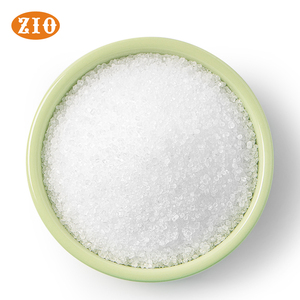
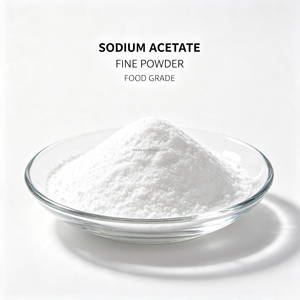
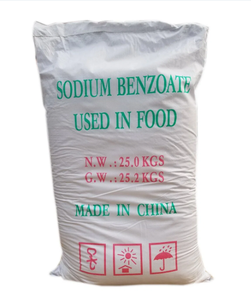
Vital Wheat Gluten (VWG) serves as the primary structural protein isolate extracted from premium wheat flour (Triticum aestivum) through gentle wet-milling process technology. Consisting predominantly of insoluble protein fractions—specifically gliadin (responsible for dough extensibility and viscosity) and glutenin (responsible for elasticity and cohesive strength)—Vital Wheat Gluten represents an irreplaceable bio-functional ingredient in commercial baking, extruded plant-based meat analogues, and high-protein nutrition systems across the Greater Boston and New England regional food manufacturing sectors.
Key Technical Parameter: Standard industrial-grade Vital Wheat Gluten must exhibit a dry protein content of ≥ 75% to 80% (N × 6.25, dry basis), a maximum moisture content of 8.0%, an ash content below 1.5%, and a viscoelastic water absorption capacity ranging between 180% and 220% relative to dry weight.
The functionality of Vital Wheat Gluten relies entirely on its unique ability to form a complex three-dimensional viscoelastic protein network upon hydration and mechanical shear. When hydrated, glutenin polymers form extensive intermolecular disulfide bonds, creating an elastic backbone that traps carbon dioxide ($CO_2$) generated by leavening agents. Concurrently, gliadin monomeric proteins intersperse within this matrix, providing plastic fluidity that allows the dough to expand without structural rupture.
In high-speed commercial bakeries operating in urban hubs such as Chelsea, South Boston, and Everett, maintaining a consistent Alveograph W-value (deformation energy) and P/L ratio (tenacity to extensibility) is crucial. Inconsistent gluten strength leads to oven collapse, irregular crumb structures, and reduced loaf volumes. Factory-grade Vital Wheat Gluten acts as a natural rheological corrector, fortifying weak flour batches and standardizing dough performance across variable seasonal wheat harvests.
From an economic and process engineering perspective, Vital Wheat Gluten’s high water absorption capacity directly correlates with yield optimization. By retaining up to 2.2 times its weight in water, VWG improves crumb softness and retards staling caused by starch retrogradation (amylose crystallization). When paired with targeted organic acid preservatives—such as Citric Acid Anhydrous E330 for pH regulation and Potassium Sorbate 99% for anti-fungal stabilization—the moisture-retentive gluten matrix remains microbiologically stable over extended distribution lifecycles.
Mapping functional protein solutions and preservative matrices to specific processing requirements in New England's leading manufacturing districts.
Situated in logistics corridors along Interstate 93 and Route 128, commercial bakeries supplying New England retail chains utilize Vital Wheat Gluten to enhance gas retention, improve crumb elasticity in hearth breads, bagels, and hearth-baked buns, and resist mechanical breakdown during high-shear mixing.
Driven by Cambridge and Somerville food-tech incubators, Boston leads in alternative protein innovation. High-grade Vital Wheat Gluten provides the essential fibrous alignment, chelation capabilities, and meat-like bite required for textured vegetable protein (TVP) extrusions, seitan formulations, and hybrid protein products.
Massachusetts' famous craft brewing sector leverages technical gluten fractions alongside high-purity Citric Acid Anhydrous and Sodium Acetate for pH neutralization, clarity stabilization, and yeast nutrient balancing during specialized fermentation runs.
The food manufacturing ecosystem of Massachusetts, Maine, Connecticut, and Rhode Island operates under stringent state and federal regulatory frameworks, rapid consumer trend turnarounds, and distinct geographical distribution demands. Purchasing managers and QA leaders in Boston face three primary industry shifts driving raw material procurement strategies:
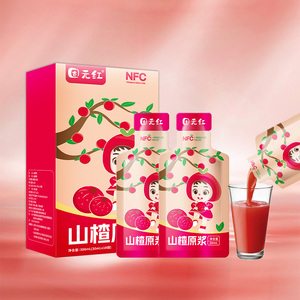
Consumers across New England increasingly demand clean-label products free from synthetic chemical additives. In response, formulation engineers are pairing physical texturizers like Vital Wheat Gluten with biological and natural preservatives. Compounds such as Epsilon-PolyLysine (EPL) Hydrochloride (a natural bio-preservative produced via fermentation) and natural botanical extracts like Hawthorn Fruit Puree offer powerful antimicrobial barriers against Gram-positive and Gram-negative bacteria without compromising organic labeling ambitions.
Global agricultural commodities experience dynamic price fluctuations due to climatic events and shifting maritime freight routes. Boston food manufacturers are departing from spot-market reliance in favor of strategic forward supply agreements. Partnering with factory-direct exporters who maintain multi-warehouse stocking facilities guarantees fixed unit costs, buffers production schedules against unexpected delays at the Port of Boston, and ensures JIT (Just-In-Time) truckload deliveries across New England.
With the implementation of FSMA Rule 204 regarding Enhanced Traceability for High-Risk Foods, Boston-area processors require absolute document transparency for every incoming ingredient lot. From wheat origin identification to Kosher, Halal, ISO22000, and HACCP validation, modern industrial supply relies as heavily on digital compliance paperwork as it does on physical product quality.
Combining world-class manufacturing scale with localized New England distribution, technical formulation expertise, and uncompromising QA standard operating procedures.
Every shipment comes complete with lot-specific Certificates of Analysis (COA), heavy metal screens, microbiological analyses, allergen declarations, and non-GMO certifications to streamline your quality assurance audits.
Our expansive logistics network supports full truckload (FTL), less-than-truckload (LTL), and dry-bulk staged deliveries across all 48 contiguous states, eliminating stockout risks for Boston processing facilities.
Our food scientists assist technical bench teams with rheological adjustment, hydrocolloid substitution, clean-label preservative integration, and cost-reduction pilot trials.
Technical insights, logistics clarifications, and regulatory details regarding industrial Vital Wheat Gluten and food preservation ordering.