
Explore our export-grade acidulants, natural bio-preservatives, and antimicrobial agents specifically verified for FSANZ Standard 1.3.1 compliance and New Zealand food processing environments.
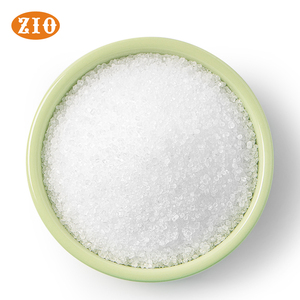
Ultra-pure, low-moisture crystalline acidulant. Regulates brine pH, prevents enzymatic browning, and maintains crispy cucumber turgidity in automated packing lines.
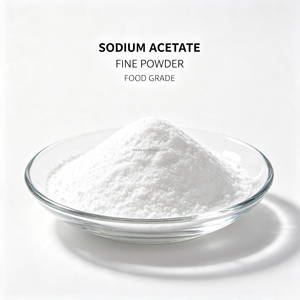
Essential buffering agent for vinegar-based brine formulations. Stabilizes acetic acid volatility and acts as a synergistic mild antimicrobial agent.
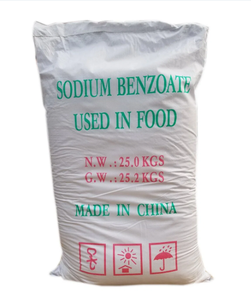
Broad-spectrum fungal and yeast inhibitor designed for acidic liquid brines (pH < 4.5). Guarantees 2-year ambient shelf stability without clouding.
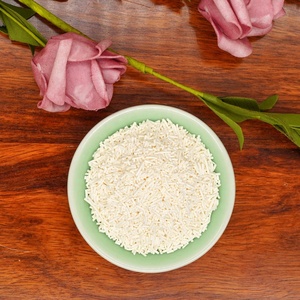
Dust-free spherical granules that dissolve rapidly in cold brines. Effectively blocks secondary fermentation in sweet and spiced pickle liquids.
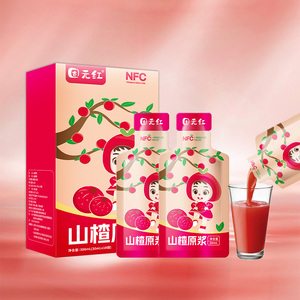
Plant-derived antioxidant and natural bio-acidifier rich in organic polyphenols. Ideal for premium clean-label artisanal pickle and relish formulations.
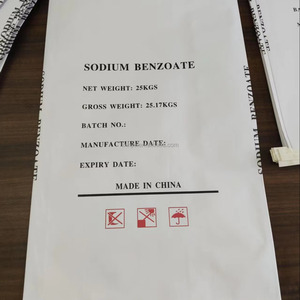
High-solubility granular sodium benzoate engineered to prevent airborne dust contamination in commercial batch blending facilities.
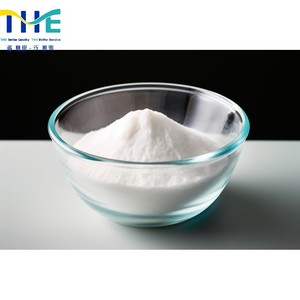
Specialty botanical antioxidant that adds warm spice notes while suppressing wild yeast activity in specialty spiced cucumber & beet brines.
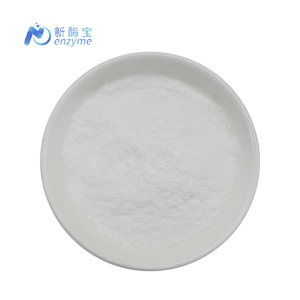
Fermentation-derived cationic peptide targeting Gram-negative and Gram-positive bacteria. Delivers zero chemical taste in low-sodium pickle liquids.
A comprehensive technical evaluation of osmotic balance, pH stabilization, microbial inhibition, and clean-label preservation in industrial pickling operations.
Pickling is fundamentally a controlled osmotic exchange and acid-stabilization process designed to prevent pathogenic spore germination, yeast proliferation, and tissue degradation. In commercial pickling—spanning pickled cucumbers, onions, beetroot, red cabbage, and seafood—achieving product shelf-life beyond 24 months without refrigeration requires rigorous biochemical balancing.
The primary determinant of microbial inhibition is the ratio of un-dissociated acid molecules to ionized molecules. At a pH of 3.8 to 4.2, organic acidulants such as Citric Acid Anhydrous E330 and acetic acid penetrate microbial cell membranes efficiently. Once inside the neutral cell cytoplasm, the acid dissociates, rapidly lowering internal pH, disrupting metabolic pathways, and forcing the microorganism to exhaust ATP energy pumping out protons.
Modern New Zealand consumers demand extended shelf-life alongside reduced sodium and clean-label declarations. To satisfy both requirements, industrial food developers utilize multi-hurdle preservative architecture, combining traditional synthetic preservatives with modern bio-fermentation isolates.
Built for processing reality: tight specs, volatile raw material markets, and strict regulatory compliance across Oceania.
Every lot of Citric Acid, Sodium Benzoate, and Sodium Acetate is batch-tested for particle size, bulk density, heavy metals (<10ppm), and active assay purity before shipment. Specs are locked to your exact formula requirements.
We mitigate geopolitical freight disruptions and seasonal crop failures through qualified multi-origin producer networks. Dual-sourcing contracts ensure your New Zealand manufacturing lines never run out of critical acidulants.
Comprehensive regulatory binders accompany every consignment: Certificates of Analysis (COA), Allergen Statements, Non-GMO Declarations, SDS, Kosher & Halal Certificates, and FSANZ Standard 1.3.1 compliance documentation.
Our food technologist team works directly with your bench R&D. We evaluate functional equivalents, assist with clean-label conversions, optimize salt-to-acid ratios, and calculate exact titratable acidity levels.
Gain access to our global commodity reports tracking raw material trends in citric acid, sorbates, and organic acids. Time your forward contracts to protect gross margins against international price spikes.
Engineered for Trans-Tasman and direct sea-freight corridors into Auckland, Tauranga, and Lyttelton ports. Supporting FCL, LTL pallet orders, and custom multi-ingredient consolidated shipments.
Custom-tailored ingredient integration for regional food manufacturers, QSR suppliers, and primary industry processors across the North and South Islands.
Challenge: Maintaining crispness and target pH in mass-produced sliced dill pickles stored in 20L foodservice pails under varying ambient kitchen temperatures.
Solution: Implementation of a dual Citric Acid Anhydrous E330 and Sodium Acetate buffering grid combined with low-dose Potassium Sorbate granules. This controls free water activity, prevents softening of cucumber tissue walls, and stops secondary yeast haze during storage in distribution centers across Manukau and North Shore.
Challenge: Replacing synthetic preservatives with clean-label, bio-based alternatives in premium gourmet relish formulations destined for major domestic supermarkets.
Solution: Formulating with 95% Epsilon-PolyLysine (EPL) Hydrochloride paired with Natural Pure Hawthorn Fruit Puree. This natural peptide provides high-thermal-stability microbial control during kettle pasteurization without altering delicate local botanical vinegars or honeyed sweet notes.
Challenge: Extending ambient and chilled shelf life of export-grade pickled Greenshell mussels and fish fillets without causing protein denaturation or off-odours.
Solution: Dosing high-purity Sodium Acetate combined with Food Grade Sodium Benzoate E211. The buffered system stabilizes the saline-acid matrix, suppresses psychrotrophic spoilage bacteria, and preserves tissue firmness during long-distance shipping to export markets.
Challenge: Managing mould growth and syneresis in high-fat pickled cheese relishes and cultured vegetable dips.
Solution: Incorporation of dust-free Potassium Sorbate 99% Granules with Cinnamic Acid Powder. Delivers uniform antimicrobial dispersion throughout emulsified sauce bases while imparting natural aromatic warmth favored in regional Kiwi recipes.
Key regulatory shifts, consumer behavior trends, and manufacturing innovations driving formulation changes across NZ food processing facilities.
With MPI (Ministry for Primary Industries) and health initiatives encouraging reduced sodium footprints, processors are swapping portioned NaCl with functional buffer salts like Sodium Acetate and Citric Acid blends to maintain osmotic pressure without souring taste profile.
The rise of premium Kiwi export brands has accelerated the adoption of natural preservation vectors. Fermentation-derived Epsilon-PolyLysine (EPL) and fruit polyphenol extracts enable clean-label packaging claims without sacrificing commercial 12-month shelf stability.
High-speed packing lines require non-caking, rapidly dissolving raw ingredients. Micro-granulated Sodium Benzoate and spherical Potassium Sorbate granules are replacing old-style fine powders to eliminate airborne dust hazards and line clogging.
Detailed technical and logistical insights for procurement managers, QA auditors, and food technologists in NZ.
Partner with a global ingredient powerhouse dedicated to New Zealand's food processing standards. Contact our technical sales engineering team today to review specifications, request 500g bench samples, or secure volume pricing.