
Sourced from audited global producers with complete EU regulatory documentation (COA, HACCP, ISO, Kosher, Halal) dispatched directly to Hamburg harbor terminals and regional processing facilities.
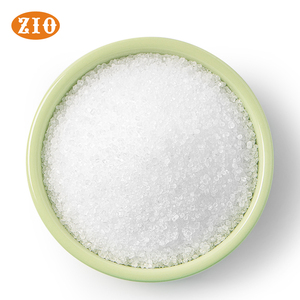
High-purity acidulant and pH regulator essential for starch retrogradation control, beverage buffering, and fruit preparation shelf-life extension.

Technical grade buffering agent and antimicrobial preservative designed for bakery mixes, starch stabilization, and meat curing systems.
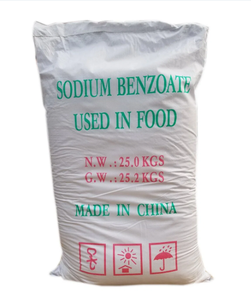
Industrial preservative agent for acidic sauces, starch-bound salad dressings, and liquid condiments requiring robust yeast/mold inhibition.

Dust-free granulate active against fungi and molds in high-moisture bakery starch matrices, processed cheeses, and fruit fillings.
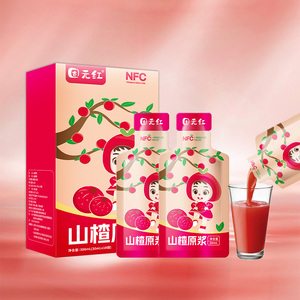
Clean-label fruit concentrate rich in natural pectin and polyphenols, serving as a functional thickener and flavor enhancer in food formulations.
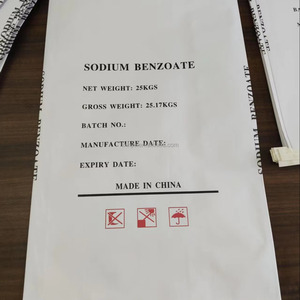
Kosher & Halal certified anti-fungal agent engineered for cold-process emulsified sauces, starch dips, and industrial canning lines.
Specialty botanical antioxidant and antimicrobial building block for natural preservation systems and flavor matrix stabilization.
Bio-fermented antimicrobial peptide offering thermal stability in starch-rich cooked foods, fresh noodles, and ready-to-eat deli products.
The Metropolitan Region of Hamburg stands as one of Northern Europe’s premier maritime trade and industrial food manufacturing gateways. Serving as a crucial logistics axis linking Germany, Scandinavia, and Central-Eastern Europe, Hamburg-based food processors, commercial bakeries, condiment blenders, and corrugated paper mills demand an exceptionally high level of supply security for bulk raw materials like native and modified corn starch.
Industrial procurement in Germany requires strict adherence to European Union food safety laws, specifically Regulation (EC) No 1333/2008 on food additives and Regulation (EC) No 1829/2003 on non-GMO traceability. Sourcing corn starch through Hamburg's state-of-the-art harbor infrastructure—including duty-free customs warehousing near the Altenwerder and Waltershof container terminals—allows enterprise buyers to hedge against global ocean freight volatility while maintaining just-in-time (JIT) production schedules.
Our strategic distribution framework combines direct vessel sourcing from primary corn-milling origins with local spot-stock reserves in Northern Germany. This hybrid model mitigates lead-time risks caused by red sea shipping delays or seasonal crop yield variations, delivering uncompromised operational continuity to processing facilities throughout Hamburg, Schleswig-Holstein, and Lower Saxony.
Understanding the molecular architecture of maize starch is crucial for optimizing paste viscosity, gelatinization kinetics, and retrogradation behavior in high-shear industrial processing.
Composed of approximately 25% amylose and 75% amylopectin, native corn starch forms a rigid, opaque gel upon gelatinization (typically occurring between 62°C and 72°C). It serves as an economical binder, moisture retainment agent, and texturizer in dry mix formulations, confectionery molding (mogul starch), and paper corrugation adhesives.
Chemically modified via cross-linking (e.g., Acetylated Distarch Adipate - E1422) or hydroxypropyl distarch phosphate (E1442) to withstand extreme processing environments. These starches offer exceptional resistance to high shear, low pH (acid stability), freeze-thaw cycles, and prolonged thermal processing in continuous retorts.
Physical modifications (such as high-pressure thermal inhibition and pre-gelatinization) deliver performance parity with modified starches without requiring E-numbers on finished food labels. Highly sought after by German retail brands fulfilling modern "Clean Label" consumer demands.
Industrial parameters measured via Brabender Micro Visco-Amylograph standard testing protocol.
| Starch Variant | Gelatinization Temp (°C) | Peak Viscosity (BU) | Acid Resistance (pH 3.0) | Shear Stability | Freeze-Thaw Cycles | Typical Hamburg Applications |
|---|---|---|---|---|---|---|
| Native Corn Starch | 62.0 - 68.5 °C | 600 - 800 BU | Low (Viscosity breakdown) | Moderate | 1 Cycle (Prone to syneresis) | Industrial Bakery, Mogul Sweets, Paper Corrugation |
| E1422 (Acetylated Distarch Adipate) | 58.0 - 64.0 °C | 900 - 1200 BU | High (Stable paste) | Very High | 5+ Cycles (No syneresis) | Pasteurized Sauces, Frozen Meals, Mayonnaise |
| E1442 (Hydroxypropyl Distarch Phosphate) | 56.0 - 62.0 °C | 1000 - 1400 BU | Superior Acid Tolerance | Excellent | 10+ Cycles (Cold-storage) | UHT Dairy Desserts, Acidic Fruit Fillings, Yogurt |
| Pregelatinized Cold-Water Swelling | Cold Instant (20 °C) | 400 - 700 BU | Moderate to High | Moderate | 3 - 5 Cycles | Instant Soups, Cold-Process Dressings, Bakery Mixes |
Bridging the gap between agricultural producers and industrial production floors with technical rigor, multi-origin logistics, and complete documentation security.
We do not issue quotes based on generic commodity grades. Our technical team matches mesh particle size, moisture content (≤13.5%), SO2 levels (≤10 ppm), pH range, and Brabender viscosity parameters directly to your line specifications prior to commercial agreement.
Compliance teams are spared administrative friction. Every shipment features batch-matched Certificates of Analysis, allergen declarations, heavy metal screening, non-irradiated documentation, and certified Kosher and Halal status ready for immediate QA auditing.
Reformulating for cost optimization, non-GMO compliance, or gluten-free certification? Our food scientists assist in benchmarking functional alternatives, adjusting dosage rates, and supplying laboratory test samples straight to your R&D bench in Germany.
Tailored starch solutions designed to meet the rigorous processing environments of Northern German food manufacturers and heavy industries.
In high-throughput Northern German commercial bakeries, native and modified corn starches play a vital role in modifying dough rheology. Adding native corn starch weakens high-gluten wheat flours to produce tender shortbreads, biscuits, and wafer batters. Modified cold-water swelling starches stabilize fruit jellies and cream fillings against moisture migration during baking and subsequent frozen storage, preventing soggy crusts in packaged baked goods.
Hamburg’s extensive deli, fish sauce, and ready-meal processing sectors rely heavily on cross-linked acetylated starches (E1422). These starches deliver smooth, glossy texture and short, non-stringy paste flow in high-acid environments such as tartar sauce, mustard dips, and marinades. They maintain structural emulsion integrity under automated high-speed homogenization and pasteurization heat loads.
The regional meat processing and fish-marinating industry utilizes pregelatinized corn starch to control water activity and improve cook yields. Starch granules swell within the protein matrix, binding free water during thermal processing. This improves sliceability, prevents purge in vacuum-sealed retail packaging, and enhances mouthfeel in low-fat sausage formulations.
Beyond human food, Hamburg’s major port logistics hubs require massive volumes of heavy-duty corrugated shipping cartons. Native corn starch forms the cornerstone of Stein-Hall corrugated adhesive formulas. Its fast gelatinization temperature (around 65°C) and consistent green bond strength enable high-speed corrugating machinery to produce durable, moisture-resistant shipping boxes for international export.
The food manufacturing landscape across Hamburg and the DACH region is experiencing a profound transformation. Shifts in consumer preference toward clean-label, plant-based, and non-GMO food products are forcing brand owners to evaluate their ingredient deck choices critically.
Navigating price fluctuations in European corn crops requires dual-sourcing capabilities and robust forward-contracting options.
Our Hamburg supply team provides weekly market intelligence reports covering corn crop yields, energy cost surcharges at european starch conversion plants, and freight rates—empowering procurement directors to lock in optimal coverage timing.
Get CatalogClear answers to regulatory, logistical, and commercial queries commonly raised by European purchasing managers.
Connect with our senior ingredient specialists to evaluate specs, request laboratory samples, or discuss forward contracting strategies tailored to your manufacturing requirements.