Explore our spec-verified inventory of food-grade, pharmaceutical-grade, and clean-label antioxidant solutions engineered for immediate batching and co-packing across Seattle and the greater Pacific Northwest.
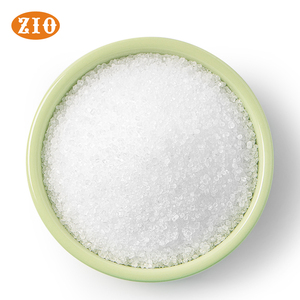
High-purity acidulant and antioxidant synergist (CAS 77-92-9). Essential for pH control and beverage stabilization in craft syrup and RTD operations.
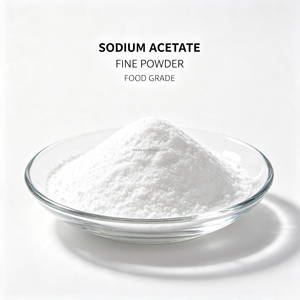
Premium buffering agent and antimicrobial compound (CAS 127-09-3). Stabilizes flavor profiles and maintains ionic equilibrium in processed foods.
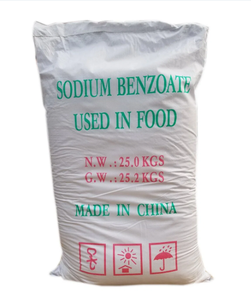
Industry-standard mold and yeast inhibitor for acidic foods and carbonated beverages. Available in 25kg moisture-proof sealed drums.
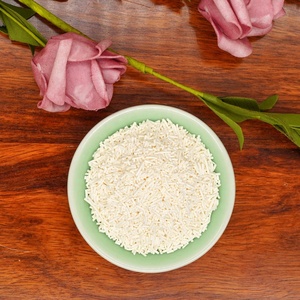
Low-dusting, highly soluble fungistatic agent optimized for commercial artisan bakery, cheese processing, and fruit preserve manufacturing.
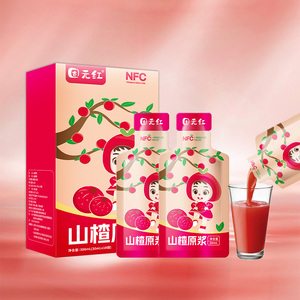
Clean-label botanical preserve rich in natural polyphenols and organic acids. Perfect for organic-certified food and wellness beverage lines.
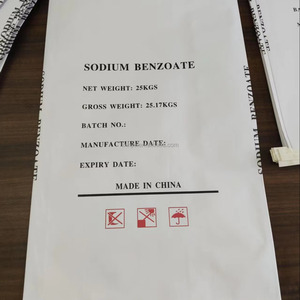
Dust-free granulates offering rapid dissolution rates for large-scale liquid processing. Kosher, Halal, and ISO 22000 certified.
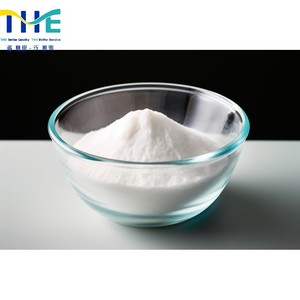
Specialty organic compound serving as a functional antioxidant and natural flavor precursor for confectionary and specialized preservation.
Fermentation-derived bio-preservative providing broad-spectrum inhibition against Gram-positive/negative bacteria in high-moisture foods.
L-Ascorbic Acid (CAS 50-81-7, E300), universally recognized as Vitamin C, represents one of the most chemically versatile water-soluble compounds deployed in industrial food engineering, pharmaceutical formulation, and beverage stabilization. Functioning primarily as an potent oxygen scavenger and reducing agent, Ascorbic Acid readily undergoes two-step reversible oxidation: converting first to Dehydro-L-ascorbic acid via the radical intermediate monodehydroascorbate. This specific redox potential renders it indispensable for neutralizing reactive oxygen species (ROS), inhibiting enzymatic browning catalyzed by polyphenol oxidase (PPO), and preserving vulnerable flavor profiles in high-shear processing environments.
"In industrial scale applications across Puget Sound and the Pacific Northwest, securing a verified supply of Ascorbic Acid with controlled mesh sizing and documented redox stability is the primary determinant of shelf-life preservation and clean-label integrity."
From a chemical engineering standpoint, procurement teams must evaluate Ascorbic Acid not merely as a vitamin additive, but as a crucial processing aid. In aqueous media, its dissociation constants (pKa1 = 4.17, pKa2 = 11.57) enable precise pH modulation, directly influencing hydrocolloid hydration, protein cross-linking, and microbial thermal death kinetics during pasteurization or UHT processing.
Rapidly reacts with dissolved oxygen within packaged liquid phase matrices, depleting headroom oxygen before oxidative degradation attacks delicate aroma esters and lipids.
Reduces quinones generated by polyphenol oxidase (PPO) back to colorless diphenols, preventing surface darkening in fresh-cut fruits, seafood, and raw botanical pulps.
Acts as a clean-label dough conditioner in commercial baking by promoting disulfid bonding (S-S) among glutenin proteins, increasing gas retention and loaf volume.
Industrial procurement teams in Seattle must match physical particle sizes and assay purity to their specific unit operations. Below is the technical specification benchmark for our Ascorbic Acid supply chain:
| Parameter / Characteristic | USP43 / FCC XII Standard Grade | Ph. Eur. Ultra-Fine Powder Grade | Granular Direct-Compression Grade |
|---|---|---|---|
| Chemical Formula | C6H8O6 | C6H8O6 | C6H8O6 (Coated or Pure) |
| Assay Purity (Dry Basis) | 99.0% – 100.5% | 99.5% – 100.5% | 98.5% – 101.0% |
| Particle Size Distribution | 80–100 Mesh Fine Powder | 200–300 Mesh Micro-Powder | 20–60 Mesh Free-Flow Granule |
| Specific Optical Rotation | +20.5° to +21.5° | +20.5° to +21.5° | +20.5° to +21.5° |
| Heavy Metals (as Pb) | ≤ 10 ppm | ≤ 5 ppm | ≤ 10 ppm |
| Residue on Ignition | ≤ 0.1% | ≤ 0.1% | ≤ 0.1% |
| Primary Application | Beverage batching, general food preservation | Dry blending, bakery improvers, pharma dry mix | Tableting, capsuling, high-speed sachets |
The Pacific Northwest host a distinct economic ecosystem characterized by world-class craft brewing, artisanal cideries, large-scale wild salmon harvesting, bio-pharmaceutical research clusters, and commercial bakery networks. Each localized sector presents distinct technical demands for Ascorbic Acid sourcing:
Seattle and King County are global epicenters for craft brewing. Dissolved oxygen (DO) is the primary threat to dry-hopped IPAs and craft ciders. Micro-dosing Ascorbic Acid during bright tank transfer or packaging scavenges trace oxygen, preventing terpene oxidation and extending the fresh "hop burst" profile during ambient retail distribution.
Puget Sound and Alaskan salmon processors operating out of Seattle facilities utilize food-grade Ascorbic Acid combined with Citric Acid dips. This treatment prevents lipid oxidation, inhibits rancidity in high-fat cold-water fish, and maintains the vibrant carotenoid red color of wild sockeye during blast freezing and vacuum sealing.
Along the South Lake Union biotech corridor, high-purity USP-grade Ascorbic Acid is required for sterile cell culture media formulations, antioxidant stabilization in diagnostic reagents, and oral dosage compounding, necessitating full endotoxin testing and rigorous lot-traceability documentation.
Sourcing bulk raw materials in Seattle requires navigating unique Pacific Northwest supply chain dynamics. With primary ocean freight entering via the Northwest Seaport Alliance (Ports of Seattle and Tacoma), global raw material imports are subject to transpacific shipping rate swings, port congestion, and seasonal weather disruptions across mountain passes (I-90 / I-5 corridors).
To eliminate production downtime, leading regional food and beverage manufacturers are shifting away from direct single-source ocean imports toward localized staging programs. By leveraging regional distribution centers stocking buffer inventory, regional plants secure Just-In-Time (JIT) deliveries, insulated against ocean transport delays and currency fluctuations.
We bridge the gap between global ingredient synthesis and local processing reality. Our supply platform is engineered for buyers who demand complete accountability.
We match exact chemical parameters—mesh size, moisture level, assay purity, and dissolution rate—to your specific plant equipment before issuing a quote, avoiding costly batch failures.
Every lot arrives with comprehensive paperwork: Lot-specific Certificates of Analysis (COA), Technical Data Sheets, Allergen Statements, Non-GMO verification, Kosher/Halal approvals, and FSMA safety certificates.
Distributing over 2,500 ingredients across all 48 contiguous states. Our strategic warehousing network supports full truckload (FTL), Less-than-Truckload (LTL), and emergency JIT deliveries.
Gain access to our Weekly Market Reports covering global pricing trends, raw material crop yields, and freight indices so your procurement desk can time forward contracts with data-backed confidence.
Clear answers to technical, regulatory, and logistics inquiries from regional plant managers and quality teams.
Whether you require spot pallet delivery in King County or a multi-year forward contract for regional processing, our sourcing specialists deliver verified quality, competitive landed pricing, and seamless documentation.
Get a Quote