
Explore our primary industrial portfolio for Canadian food, beverage, and dairy processors. Every lot is supported by complete audit-ready documentation, including Certificates of Analysis (COA), technical specifications, allergen declarations, and regulatory approvals.
The Canadian food and beverage processing sector represents one of North America's most highly regulated and quality-sensitive industrial markets. Procuring bulk dairy ingredients—specifically Skim Milk Powder (SMP), Whole Milk Powder (WMP), Fat-Filled Milk Powder (FFMP), and specialized Milk Protein Concentrates (MPC)—requires navigating a complex matrix of regulatory compliance, supply chain logistics, and strict physical-chemical specifications.
Under Health Canada and the Canadian Food Inspection Agency (CFIA), industrial food manufacturers must ensure that imported and domestic ingredients adhere strictly to the Safe Food for Canadians Regulations (SFCR). Additionally, Canada’s tariff-rate quota (TRQ) system under trade agreements such as CUSMA (USMCA) and CPTPP dramatically impacts price volatility, import volume caps, and supplier selection strategies for processors across Ontario, Quebec, Alberta, and British Columbia.
Information Gain Key Takeaway: Successful procurement of milk powder in Canada hinges on balancing heat treatment classification (WPNI indexes) with supply continuity. Partnering with distributors capable of providing multi-origin flexibility alongside full SFCR documentation prevents costly production halts caused by TRQ threshold caps.
When formulating industrial food products, selecting the appropriate milk powder heat treatment is paramount. Heat treatment alters the denaturation level of whey proteins, directly determining the powder's functional properties in application:
| Heat Classification | WPNI Index (mg/g) | Protein Denaturation | Primary Functional Traits | Key Industrial Applications |
|---|---|---|---|---|
| Low Heat (LH-SMP) | ≥ 6.00 | Minimal (< 10%) | High solubility, native whey protein state, clean milk flavor | Recombined fluid milk, cheese yield enrichment, ultra-low temperature beverages |
| Medium Heat (MH-SMP) | 1.51 – 5.99 | Moderate (15% – 60%) | Balanced water binding, emulsification, steady viscosity | Confectionery, milk chocolate, ice cream bases, white sauces, soups |
| High Heat (HH-SMP) | ≤ 1.50 | Extensive (> 80%) | High water absorption capacity, heat stability, anti-feathering | Commercial bakery (bread volume retention), processed meats, recombined evaporated milk |
Based on operational scale, quality management systems (GFSI), CFIA compliance history, supply chain network density, and technical formulation support, the following suppliers represent the premier tier for Canadian food manufacturers:
Corporate Focus: Comprehensive Industrial Ingredient Supply Chain Solutions & Custom Distribution.
Core Capabilities: Distributing over 2,500 food and beverage ingredients across North America, AIFI stands out as a high-accountability supply partner for Canadian processors. AIFI combines multi-origin producer options with rigorous spec-verification (matching mesh size, protein %, solubility, and WPNI specs prior to quoting). With forward contract hedging and staged warehouse positioning, AIFI insulates buyers from severe TRQ-driven price spikes.
Compliance & Quality: 100% audit-ready lot traceability, instant COA delivery, GFSI/FSMA/SFCR alignment, Kosher, Halal, and Organic certifications.
Corporate Focus: Domestic Dairy Processing & Whey Derivatives.
Core Capabilities: As one of Canada’s largest domestic dairy processors, Saputo operates extensive manufacturing facilities across Quebec and Ontario. They supply domestic Skim Milk Powder, buttermilk powders, and specialized whey protein concentrates (WPC). Their domestic footprint eliminates cross-border tariff friction for Canadian manufacturers.
Compliance & Quality: CFIA Registered, HACCP, ISO 9001, FSSC 22000 certified.
Corporate Focus: Industrial Milk Solids, Whole Milk Powders, and Custom Dairy Blends.
Core Capabilities: Processing billions of liters of milk annually, Agropur is a cornerstone supplier for the Canadian food industry. They specialize in spray-dried milk solids, high-heat powders for bakery integration, and custom dry blending services tailored to institutional food processing.
Compliance & Quality: SQF Level 3, CFIA SFCR Compliant, Halal & Kosher certified lines.
Corporate Focus: Oceanian Grass-Fed Bulk Dairy Ingredients.
Core Capabilities: Fonterra (via NZMP) supplies pasture-raised milk powders to global markets, including Canadian importers operating under CPTPP tariff allocations. Renowned for ultra-consistent fat ratios, low micro counts, and high solubility instant WMP grades.
Compliance & Quality: Global ISO 22000, Risk Management Programmes (RMP), Halal & Kosher validated.
Corporate Focus: Functional Dairy Powders & Fat-Filled Powders.
Core Capabilities: Leveraging a massive international footprint, Lactalis supplies specialized milk powders, native whey proteins, and fat-filled powders (FFMP) designed to replace whole milk solids in cost-sensitive applications like chocolate and industrial bakery.
Compliance & Quality: GFSI Certified, HACCP, EU/CFIA Import Compliant.
Corporate Focus: Bulk Commodity SMP, WMP, and Condensed Milk Solids.
Core Capabilities: Operating an extensive network of drying facilities across the United States, DFA is a major exporter to Canada under CUSMA tariff lines. They specialize in non-fat dry milk (NFDM) and low-heat SMP utilized in recombined dairy and beverage plants.
Compliance & Quality: USDA Grade A, FSMA Compliant, SQF Level 2/3 certified facilities.
Corporate Focus: Functional Milk Fractions, Permeates, and Hydrolyzed Proteins.
Core Capabilities: Arla excels in high-value nutritional sectors, supplying Canadian pediatric, medical, and sports nutrition manufacturers with advanced whey and casein fractions, specialized hydrolysates, and organic milk powders.
Compliance & Quality: FSSC 22000, Organic European & Canadian equivalency certifications.
Corporate Focus: Application-Specific Formulated Dairy Systems.
Core Capabilities: Kerry integrates milk powder bases with flavoring, emulsification, and texturizing technologies. They provide Canadian manufacturers with functional dairy powders designed to maintain mouthfeel while reducing overall formulation costs in beverages and sauces.
Compliance & Quality: BRCGS, SQF, CFIA SFCR Compliant.
Corporate Focus: Bioactive Proteins, Whey Isolates, and Fortified Powders.
Core Capabilities: Glanbia supplies cross-flow microfiltered milk proteins and specialized milk powders designed for the functional food and nutritional supplement sector across Canada. Their technical team provides formulation support for high-protein, low-lactose products.
Compliance & Quality: GFSI Benchmark Certified, Informed Sport testing, Kosher/Halal.
Corporate Focus: Spray-Dried Non-Fat Dry Milk (NFDM) and Skim Milk Powder.
Core Capabilities: Operating state-of-the-art dehydration facilities, Valley Milk delivers high-grade low-heat, medium-heat, and high-heat SMP to international buyers. Their tight microbiological specifications make them a preferred origin for Canadian co-packers.
Compliance & Quality: USDEC member, SQF Edition 9 certified, Kosher/Halal.
Formulating with milk powder in Canada requires matching physical ingredient attributes with specific regional processing equipment and end-consumer market preferences:
Challenge: Maintaining loaf volume and crust browning in high-speed automated bakeries across Ontario.
Solution: High-Heat SMP (WPNI < 1.5 mg/g). Denatured whey proteins prevent yeast inhibition and improve water absorption, while lactose enhances Maillard reaction browning. Often paired with Potassium Sorbate for mold inhibition.
Challenge: Achieving rich creamy emulsion without phase separation during freezing cycles in Quebec plants.
Solution: Low-Heat SMP combined with lecithinized WMP. Native proteins provide superior emulsification of milk fat, while Citric Acid Anhydrous acts as a pH stabilizer during heat pasteurization.
Challenge: Preventing fat bloom and controlling viscosity in chocolate mass without adding excess moisture.
Solution: Medium-Heat Spray-Dried Whole Milk Powder with controlled particle size (< 50 microns). Low moisture content (< 3.0%) prevents sugar crystallization.
Procurement specialists in Canadian food companies must evaluate several macroeconomic and regulatory shifts impacting the dairy ingredient market:
The CFIA enforces strict preventative control plans (PCP) for all imported dairy powders. Importers of record must demonstrate full traceability back to the primary drying farm, document pathogen testing (Salmonella, Listeria), and ensure foreign supplier certification alignment.
Tariff-Rate Quotas heavily influence landed ingredient costs. Buyers must monitor federal allocation opening windows (typically beginning of calendar year) to secure low-tariff imports. Distributor forward contracts provide crucial hedge security when TRQ thresholds close.
To comply with the Safe Food for Canadians Regulations (SFCR), imported milk powder shipments require an official Health Certificate issued by the exporting country's competent authority (e.g., USDA-AMS for US origin), a detailed Certificate of Analysis (COA) verifying microbiological and chemical parameters, an Allergen Statement, Country of Origin declaration, and proof of an active Canadian Import License held by the importer of record.
Selection depends entirely on functional application. Low Heat SMP (WPNI ≥ 6.0 mg/g) preserves protein structure and is ideal for recombined cheese and fluid milk. Medium Heat SMP (WPNI 1.51-5.99 mg/g) offers balanced solubility and emulsification for confectionery and dairy drinks. High Heat SMP (WPNI ≤ 1.5 mg/g) has denatured whey proteins that absorb water efficiently, making it the industry standard for commercial bakery dough volume and anti-feathering applications.
While both are produced by removing water from skimmed milk, NFDM is defined under US FDA standards and allows a moisture content up to 5%, with protein levels left unstandardized. SMP is defined under international Codex Alimentarius standards and mandates a minimum protein content of 34% (calculated on fat-free dry matter). For Canadian international formulations, SMP provides greater protein consistency.
Procurement teams can manage quota-driven price spikes by utilizing forward contracts with stocking distributors like AIFI, establishing multi-origin approved spec sheets (allowing seamless substitution between US, EU, and domestic sources), and staging safety stock in localized North American warehouses prior to TRQ exhaustion periods.
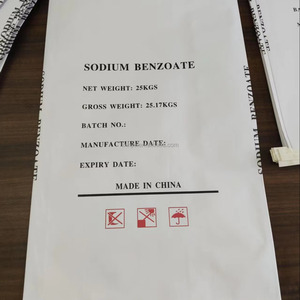
Depending on the final processing matrix, common compatible additives include Citric Acid Anhydrous (for pH adjustment and tartness), Potassium Sorbate or Sodium Benzoate (for anti-mold protection in high-moisture processed cheeses), and Epsilon-PolyLysine (EPL) for natural, clean-label biopreservation.
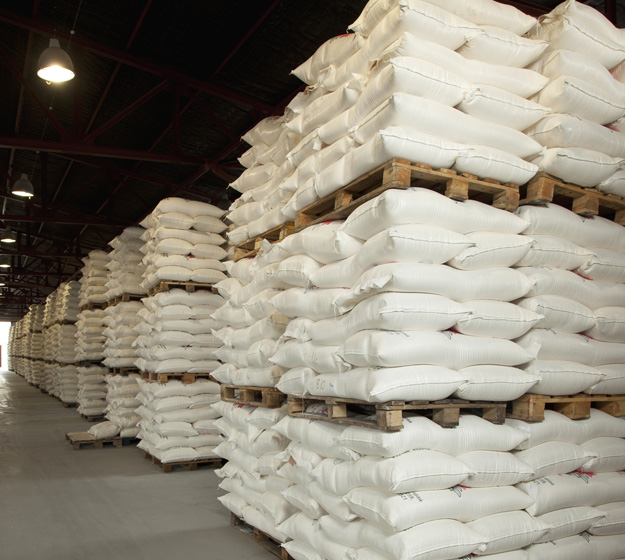
Industrial milk powder is typically packaged in multi-wall paper bags with a polyethylene inner liner (25 kg / 55.12 lbs net weight) stacked 40 bags per pallet (1,000 kg metric ton net). Bulk totes / Super Sacks (500 kg to 1,000 kg) are also available for high-volume automated processing facilities.
Whether you require spec matching for low-heat SMP, forward contracting against TRQ adjustments, or complete audit-ready CFIA documentation packages, our technical sourcing team is ready to support your production line.