Engineered for high-shear processing, freeze-thaw stability, and clean-label formulation across Greater Los Angeles manufacturing facilities.
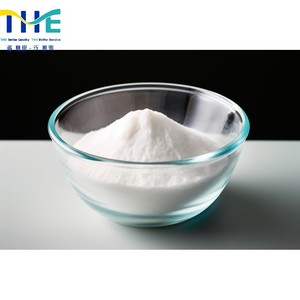
An in-depth evaluation for food scientists, R&D directors, and procurement specialists in Southern California.
Derived from the roots of Manihot esculenta (cassava), tapioca starch represents one of nature's most versatile hydrocolloids. Characterized by a relatively low amylose content (~15–18%) and high amylopectin content (~82–85%), native tapioca starch exhibits distinct physicochemical advantages over grain-derived starches like corn or wheat. Its low gelatinization temperature range (62°C to 68°C) allows food processors across Los Angeles to achieve rapid viscosity development with reduced thermal energy expenditure.
The low level of lipids, residual proteins, and ash in high-purity tapioca starch results in a exceptionally bland flavor profile with zero residual cereal notes. This neutral sensory baseline ensures that delicate flavor profiles—such as botanical infusions, dairy-alternative cheeses, and ultra-clean Asian sauces—remain uncompromised during UHT or HTST processing.
Unlike dent corn starch, which readily undergoes syneresis and opacity changes due to rapid amylose crystallization (retrogradation), tapioca starch pastes maintain high optical clarity and soft gel cohesion. This makes it the premier choice for refrigerated dressings, fruit pie fillings, and frozen boba pearls demanding high freeze-thaw resilience.
To assist formulation engineers in Vernon, Commerce, and the City of Industry with raw material substitution, the following matrix outlines key functional metrics across primary commercial starches:
| Functional Characteristic | Native Tapioca Starch | Modified Tapioca (E1442) | Dent Corn Starch | Potato Starch |
|---|---|---|---|---|
| Amylose / Amylopectin Ratio | 17 : 83 | 17 : 83 (Cross-linked) | 25 : 75 | 20 : 80 |
| Peak Gelatinization Temp (°C) | 62 - 68 °C | 65 - 72 °C | 75 - 80 °C | 60 - 65 °C |
| Paste Clarity (% Transmittance) | Very High (88%) | Superior (94%) | Opaque / Low (32%) | High (80%) |
| Shear & Acid Stability | Moderate | Exceptional (pH < 3.0) | Moderate | Poor |
| Freeze-Thaw Cycle Resilience | Good (3-4 Cycles) | Superior (10+ Cycles) | Very Poor (Syneresis) | Moderate (2 Cycles) |
| Flavor Profile | Ultra-Neutral | Ultra-Neutral | Cereal / Grainy | Earthy / Potato |
For high-stress industrial applications involving high-pressure homogenization, low pH conditions, or extended shelf-life frozen distribution, modified tapioca starches provide tailored functionality:
Southern California is the epicenter of North American food innovation—from ethnic food manufacturing to cutting-edge plant-based formulation. Here is how local plants leverage our tapioca starch supply.
With Los Angeles being the largest consumer of Ready-to-Drink (RTD) boba beverages in North America, local processors in El Monte, Industry, and Ontario demand native tapioca starch with rigorous viscosity standards. Our starch delivers the exact viscoelasticity required for automated extrusion equipment, providing the signature "Q-texture" (chewiness) with zero batch-to-batch variation. Paired with our Potassium Sorbate Granules, manufacturers achieve extended ambient shelf life without pearl breakdown.
As Los Angeles consumers accelerate demand for Non-GMO Project Verified and gluten-free artisanal baked goods, co-packers in Commerce and Vernon substitute traditional wheat flours with blends of tapioca starch, almond meal, and hydrocolloids. Tapioca starch imparts structural elasticity, crumb structure retention, and moisture preservation in gluten-free breads, tortillas, and muffins. In synergy with our Citric Acid Anhydrous, pH is optimized to enhance natural microbial preservation.
SoCal leads global development in plant-based dairy substitutes. Modified tapioca starches (E1442 / E1422) provide critical melting behavior, stretchability, and fat-mimicking mouthfeel in cashew- and coconut-based cheeses. They bind free water in almond milk yogurts, preventing phase separation during transport along California supply corridors. Combined with Epsilon-PolyLysine (EPL), clean-label plant-based cheeses achieve protection against spore-forming spoilage bacteria.
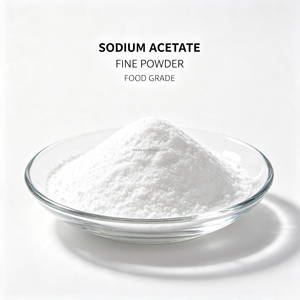
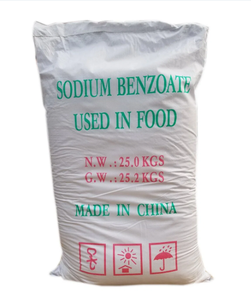
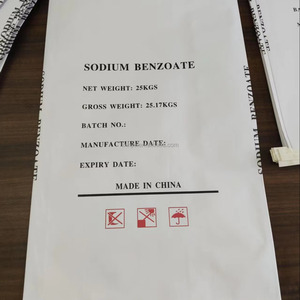
High-acid salsas, retorted enchilada sauces, Asian stir-fry glazes, and teriyaki reductions processed in SoCal require high tolerance to thermal processing and low pH. Our modified tapioca starches resist high-shear cooking and acid breakdown while maintaining a glossy, high-clarity finish. When compounded with Sodium Benzoate E211 and Anhydrous Sodium Acetate, hot-fill and cold-fill dressings achieve complete yeast and mold inhibition throughout nationwide retail distribution.
How we mitigate port congestion, eliminate ocean freight volatility, and guarantee just-in-time ingredient supply for Southern California processors.
As an importer and bulk exporter serving the Los Angeles industrial basin, our logistics network is built directly around the Port of Los Angeles (POLA) and the Port of Long Beach (POLB)—the two busiest container ports in the Western Hemisphere. Freight movement through these complex maritime hubs requires proactive risk management:
To safeguard LA manufacturers against global ocean shipping delays, we maintain dedicated safety stock across strategically positioned warehouse facilities in Ontario, Rancho Cucamonga, and Chino. This localized buffer stock infrastructure enables 24- to 48-hour delivery windows across LA, Orange, San Bernardino, and Riverside counties.
California consumers lead the nation in demanding transparent ingredient decks. Our tapioca starch is naturally gluten-free, Non-GMO Project Verified, and identity-preserved from audited Southeast Asian mills, eliminating the compliance friction associated with genetically modified grain starches.
Agricultural yields in cassava-producing regions are subject to seasonal monsoons and root availability shifts. We offer procurement teams in Greater LA custom Forward Fixed Contracting (up to 12 months) and Buffer Stock Staging to lock in margin predictability.
Southern California retail brands are under immense pressure to meet ESG guidelines. Our supply partner mills employ zero-waste cassava pulp conversion, closed-loop water recovery systems, and solar energy generation, aligning with California’s stringent climate initiatives.
Built for production reality: tight specifications, market intelligence, and audit-ready accountability.
Quality assurance teams in LA should never experience release delays. Every batch of tapioca starch and food preservative is accompanied by exhaustive Certificates of Analysis (COAs), technical specifications, allergen declarations, country-of-origin data, and Kosher/Halal certification packs.
We eliminate single-source failure risks. By maintaining validated relationships across top-tier cassava processors in Thailand, Vietnam, and Indonesia, we guarantee continuous product availability even during global freight disruptions or regional crop shortfalls.
Reformulating for cost reduction, clean-label conversions, or hydrocolloid substitution? Our technical application specialists collaborate directly with bench scientists to test viscosity curves, gel strength, and moisture retention, providing pilot samples without delay.
Streamline your procurement vendor count. Beyond native and modified starches, we distribute comprehensive ranges of acidulants, hydrocolloids, baking powders, egg solids, sweetening systems, and specialty preservatives, consolidating your PO workflows into one master supplier.
Whether your facility requires 25kg multi-wall paper bags with moisture barriers, 850kg super sacks / totes for automated pneumatic dump stations, or customized dry-blended ingredient masterbatches, we accommodate your plant processing equipment.
Stay ahead of global commodity shifts. We publish comprehensive weekly market reports detailing cassava root harvesting trends, ocean container spot pricing, starch yields, and regulatory updates to empower your buyers to buy at peak market opportunities.
Addressing key logistical, regulatory, and technical considerations for procurement teams in Southern California.
Connect with our Los Angeles regional sourcing desk for technical datasheets, current market quotes, and pilot lab samples.
Get Catalog