
Engineered for microbiological stability, crispness preservation, and full compliance with French DGCCRF and EU Regulation 1333/2008 standards.
In the highly demanding French food manufacturing sector—ranging from traditional Cornichons de Maussane to industrial condiment production in the Nord-Pas-de-Calais region—pickle brine formulation is an exact thermodynamic and chemical science. Achieving extended ambient shelf life while preserving the characteristic tissue turgor (crunchiness) of vegetables requires rigorous balance between equilibrium pH, titratable acidity, ionic strength, and targeted antimicrobial intervention.
As a premier international supplier and exporter of specialized food chemicals, our ingredient solutions address the core biochemical challenges faced by French food processors:
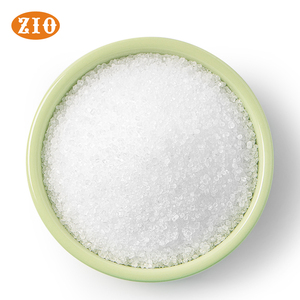
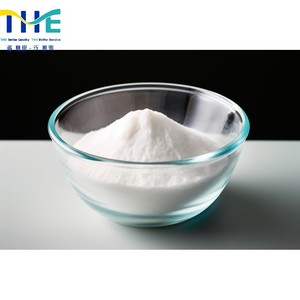
Acidulants such as Citric Acid Anhydrous (E330) rapidly suppress brine pH below the critical threshold of 4.6 (ideally maintaining 3.4–3.8), completely inhibiting the outgrowth of Clostridium botulinum spores and pathogenic enterics.
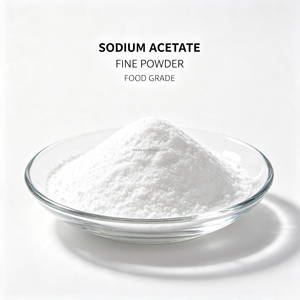
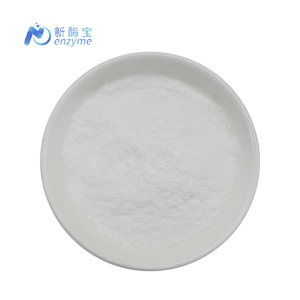
Incorporating Anhydrous Sodium Acetate (E262) creates an active acetic-acetate buffer system. This minimizes pH fluctuations caused by cellular fluid leaching during osmotic equilibration when fresh cucumbers or onions enter the brine.
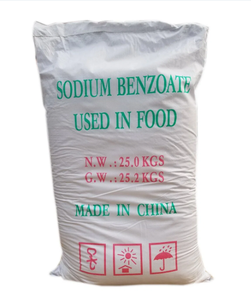
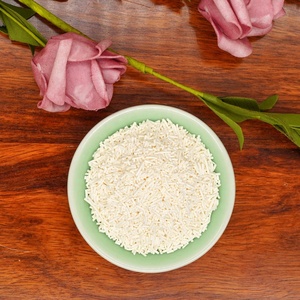
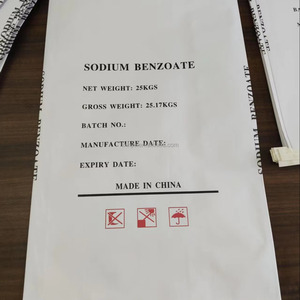
Combining classical antimycotics like Potassium Sorbate (E202) and Sodium Benzoate (E211) with modern bio-polypeptides such as Epsilon-PolyLysine (EPL) prevents yeast film formation and lactic acid over-fermentation in ambient channels.
France’s food processing market is geographically specialized, with distinct regional hubs requiring tailored brining formulations to satisfy protected geographical indications (PGI), clean-label consumer trends, and strict retailer protocols (e.g., Carrefour, Leclerc, Auchan).
Mass-scale pickling of cauliflower florets, pearl onions, and cucumbers in western France demands rapid-dissolving dust-free granules. Our granulate Potassium Sorbate E202 and Sodium Benzoate E211 prevent post-packaging cloudiness and gas generation during export logistics across Europe.
In Eastern France’s traditional brassica fermentations, maintaining total acidity without introducing harsh metallic off-notes is paramount. High-purity Citric Acid Anhydrous ensures clean, crisp acidity control when arresting fermentation at precise maturity stages.
Beyond vegetable pickling, French cured meats (salaisons) utilize specialized injection brines. Natural Epsilon-PolyLysine (EPL) Hydrochloride and Sodium Acetate provide robust bioprotection against Listeria monocytogenes without altering delicate artisanal flavor profiles.
The French market is currently experiencing a structural shift driven by the national Nutri-Score labeling initiative and consumer demand for "Sans Conservateur Synthetique" (Free from Synthetic Preservatives) claims. Industrial pickle manufacturers are aggressively reformulating to meet two core challenges:
Traditional brines relied heavily on 6%–10% salt concentrations to maintain microbial stability. Modern French retail specifications demand sodium reductions of up to 30%. Replacing osmotic pressure with targeted bio-preservatives like Epsilon-PolyLysine (EPL) allows processors to cut salt without risking mold outbreaks or loss of product crispness.
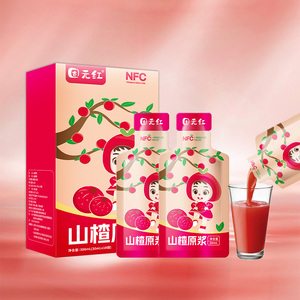
For high-end "Bio" (Organic certified) lines sold in specialty stores like Biocoop or Naturalia, synthetic E-numbers are restricted. Utilizing botanical extracts like Natural Hawthorn Fruit Puree Extracts and Cinnamic Acid supplies natural organic acids and polyphenols that naturally inhibit spoilages while maintaining organic certification alignment under EU Regulation 2018/848.
As a global exporter with deep technical expertise, our distribution framework eliminates supply chain fragility for European food processors. We bridge global manufacturing capacity with European quality compliance.
Every shipment bound for French ports (Le Havre, Marseille-Fos) includes batch-specific Certificates of Analysis (COA), Allergen Statements, Nutritional Breakdown, Non-GMO verification, Kosher, and Halal certifications ready for DGCCRF audits.
We do not deliver generic chemicals. Particle size, mesh specification, moisture content, and bulk density are matched precisely to your industrial mixing and batching automated hoppers before dispatch.
With multi-origin approvals and robust warehousing programs, we protect your continuous processing lines from raw material price volatility and shipping lane delays.
Technical and logistical insights for importing and utilizing pickle brine additives in French production facilities.
Yes. All products in our pickle brine portfolio—including Citric Acid Anhydrous (E330), Sodium Benzoate (E211), Potassium Sorbate (E202), and Sodium Acetate (E262)—comply strictly with European Food Safety Authority (EFSA) purities and parameters set under EU Regulation 231/2012 and DGCCRF guidelines for France.
We offer standardized industrial packaging including 25kg multi-ply moisture-barrier craft paper bags with PE liners, 25kg fiber drums, and 1,000kg flexible intermediate bulk containers (FIBC / Super Sacks) engineered for automated dumping systems.
We supply granular variants of Potassium Sorbate and Sodium Benzoate specifically engineered with uniform particle size distribution. This minimizes airborne dust creation during high-speed batch dissolutions, improving plant safety and reducing dosage loss.
Direct ocean freight shipments to key French entry ports like Le Havre or Marseille-Fos typically require 14 to 21 days transit time. Pre-cleared EU warehouse buffer options are available for contract partners requiring 48-hour Just-In-Time (JIT) delivery.
Absolument. Our R&D and product formulation specialists assist French procurement and quality teams in calculating buffer capacity, adjusting titratable acidity, and integrating natural bio-preservatives like Epsilon-PolyLysine to maintain shelf life while reducing salt content.
You can request 500g to 2kg evaluation samples along with full technical specifications and batch-specific COAs directly by clicking the Get a Quote button on any product listing. Sample parcels are dispatched via express courier directly to your facility laboratory.
Partner with an international supply chain expert that understands French food standards, tight specification tolerances, and seamless port delivery logistics.