
Our Japan-dedicated production lines deliver premium Vital Wheat Gluten engineered for maximum viscoelasticity, alongside custom OEM/ODM functional preservative blends that fulfill Japanese Food Sanitation Act requirements and JAS technical benchmarks.
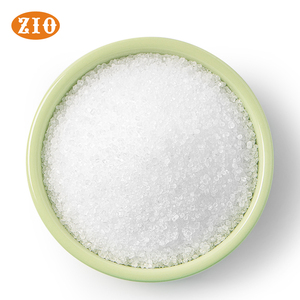
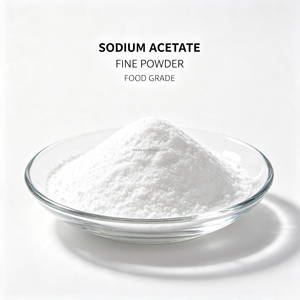
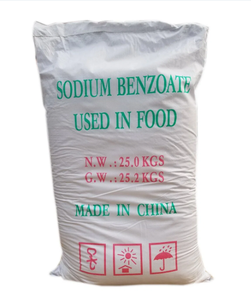
Japan’s food manufacturing sector represents one of the most discerning and technically exacting markets globally. From high-speed commercial ramen (Chuka-men) processing plants in the Kanto and Kansai industrial hubs to artisanal and automated industrial bakeries producing ultra-soft, high-moisture toast bread (Shokupan), the structural integrity of dough networks depends entirely on gluten quality. Vital Wheat Gluten (also known as active wheat protein) serves as the primary viscoelastic agent, water binder, and texture builder across diverse Japanese food processing applications.
As an enterprise-level OEM/ODM Vital Gluten Factory and Supplier servicing the Japanese market, our manufacturing infrastructure bridges global raw wheat sourcing with specialized processing techniques. In Japan, regulatory oversight under the Ministry of Health, Labour and Welfare (MHLW) and rigorous compliance under Japanese Agricultural Standards (JAS) demand zero tolerance for quality fluctuations, heavy metal residues, or inconsistent protein hydration rates. This technical whitepaper explores the physical chemistry, rheological parameters, custom formulation capabilities, and localized application landscapes that establish our leadership in the Japanese wholesale market.
Vital Wheat Gluten is extracted from non-GMO wheat flour through gentle aqueous washing processes (the Martin or Hydroclone separation methods), followed by flash drying under strictly controlled temperature profiles. This preserves the tertiary structure of insoluble wheat proteins—specifically gliadin (providing extensibility and viscosity) and glutenin (providing elasticity and tenacity). When hydrated, our gluten reconstitutes rapidly into a cohesive, viscoelastic film capable of entrapping gas bubbles during fermentation and reinforcing dough matrices under extreme mechanical shear.
| Technical Parameter | Standard Industrial Grade | Japan Bakery Grade (OEM) | Noodle & Extrusion Grade (ODM) | Test Method Standard |
|---|---|---|---|---|
| Crude Protein (N × 6.25, dry basis) | ≥ 75.0% | ≥ 82.0% | ≥ 83.5% | GB/T 5506 / ISO 20483 |
| Moisture Content | ≤ 9.0% | ≤ 8.0% | ≤ 7.5% | 105°C Air Oven Method |
| Water Absorption Index | 150% | 165% - 180% | 175% - 190% | Farinograph Hydration Test |
| Ash Content (dry basis) | ≤ 1.2% | ≤ 0.95% | ≤ 0.85% | 550°C Muffle Furnace |
| Particle Fineness (Mesh Size) | 80 Mesh (≥ 98%) | 100 Mesh (≥ 99.5%) | 120 Micronized Mesh | Sieve Analysis (SQR-100) |
| Dough Stability Time | > 8.0 min | > 15.0 min | > 18.0 min | AACC 54-21 Farinograph |
| Heavy Metals (Pb, As) | < 0.2 mg/kg | < 0.05 mg/kg | < 0.01 mg/kg | ICP-MS (MHLW Japan Std) |
Off-the-shelf ingredients frequently fail to satisfy the precise rheological demands of modern high-speed Japanese processing machinery. Our dedicated OEM/ODM research and production plant provides bespoke tailored solutions engineered around your exact facility parameters:
Custom particle size milling ranging from standard 80 mesh up to ultra-fine 120 mesh. Fine granulation ensures immediate hydration without grit formation, vital for high-moisture Japanese pastries, steamed buns (Manju), and delicate surimi matrices.
OEM co-formulation integrating fungal alpha-amylase, xylanase, ascorbic acid, or hydrocolloids. Designed to optimize gas retention during extended cold proofing in Japanese retail bakeries while controlling retrogradation in packaged goods.
Combining Vital Wheat Gluten with food-grade preservation vectors—such as Epsilon-PolyLysine (EPL), Anhydrous Sodium Acetate, and Potassium Sorbate—to deliver turn-key structural and shelf-life protection for chilled noodle dough sheets and high-water-activity foods.
Understanding the operational environment of Japanese food plants is essential for raw material optimization. Our Vital Wheat Gluten is functionally adapted for four major commercial application sectors across Japan:
Japanese ramen noodles (Chuka-men) require a distinctive firm bite, high tensile strength, and exceptional cook stability in hot broth. The addition of 1.5% to 3.0% Vital Wheat Gluten strengthens the protein network formed by low- or medium-protein wheat flour when exposed to alkaline salts (Kansui). It prevents solids leaching into boiling water, reduces surface stickiness during automated slitting, and maintains "koshi" (firm elastic chew) even when sitting in soup during delivery services.
Japanese square toast bread (Shokupan) is renowned worldwide for its pillowy softness, high crumb moisture, and fine-cell structure. Achieving this texture requires flour with elevated protein quality. Supplementing base flour with 2.0% to 4.0% Japan Bakery Grade Vital Gluten increases water absorption by up to 6%, allowing higher liquid inclusion (milk, cream, water) while maintaining dough stability during long fermentation cycles. In frozen dough manufacturing, our gluten shields yeast cells and preserves gas retention capacity against ice crystal puncture.
The Japanese consumer market is rapidly adopting sustainable plant protein options in convenience stores (Konbini) and supermarket chains. Utilizing high-purity Vital Gluten as a key matrix binder alongside soy protein isolates enables high-moisture extrusion cooking (HMEC). The resulting Texturized Wheat Protein (TWP) mimics the fibrous alignment, bite resistance, and juiciness of whole-muscle pork and beef cuts without off-flavors.
In Japanese seafood processing factories (centered around Hokkaido, Shizuoka, and Kagoshima), Vital Wheat Gluten acts as an essential binder and gel strengthener in traditional surimi products like Kamaboko, Chikuwa, and Satsuma-age. Adding 1.0% to 2.5% gluten improves thermal gelation strength, enhances freeze-thaw elasticity, and lowers overall raw fish paste raw material costs while maintaining traditional mouthfeel.
Two powerful market forces are driving the Japanese food ingredient landscape: the stringent requirement for Clean-Label extended shelf life and the expansion of the chilled distribution model (Chilled 4°C-8°C Logistics). As convenience stores demand 48-to-72-hour fresh shelf life without artificial chemical claims, food formulators combine physical texture builders with natural preservative hurdles.
Our OEM supply facility specializes in integrated raw material packs. By pairing pure Vital Wheat Gluten with clean-label bio-preservatives like Epsilon-PolyLysine Hydrochloride (EPL), Citric Acid Anhydrous E330, and Anhydrous Sodium Acetate, manufacturers achieve a dual benefit:
Navigating Japanese customs clearance, quarantine inspections, and plant audits requires a supplier with verified global credentials and deep regulatory experience. Our facility operates as an institutional partner to major B2B trading houses (*Sogo Shosha*) and food processors across Tokyo, Osaka, and Nagoya:
Every batch of Vital Wheat Gluten is processed from non-GMO wheat crops sourced from certified agricultural regions. DNA test reports and non-GMO identity preservation certificates are provided with every shipment.
Full documentation packs accompany every container: Certificate of Analysis (COA), Heavy Metal ICP-MS Analysis, Pesticide Residue Screening (>500 compounds), Allergen PCR testing, JAS compliance documentation, and Halal/Kosher certificates.
We maintain localized buffer stocks in major port warehouses near Yokohama, Kobe, and Osaka to support Just-In-Time (JIT) delivery, protecting your production schedule against ocean freight disruptions.