High-purity food-grade additives engineered for pH control, texture retention, and microbiological stability across industrial pickling pipelines.
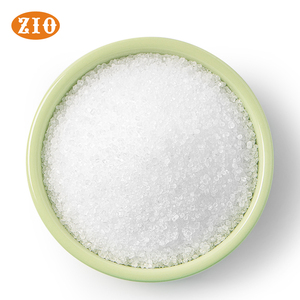
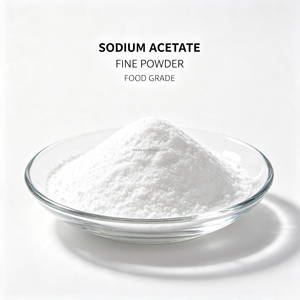
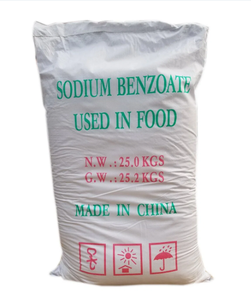
The industrial manufacturing of pickling brines, fermented vegetable liquid media, and preservation solutions in Germany and the wider European Union requires rigorous control over physical chemistry parameters. As an established OEM/ODM partner and direct bulk ingredient factory supplier serving the Berlin industrial corridor, our manufacturing infrastructure bridges raw chemical purity with precision food application science.
Pickling brine is not merely a combination of water, acetic acid, and sodium chloride. It is an active biological and chemical system designed to control water activity (Aw), manage redox potential, enforce microbiological hurdle technology, and maintain plant tissue turgor pressure. Whether formulating for pasteurized shelf-stable cucumbers, fresh-pack deli pickles, or fermented specialty vegetables (such as traditional Spreewald-style gherkins or artisanal sauerkraut), selection of organic acidulants, mineral buffering salts, and modern antimicrobial peptides governs product quality, regulatory compliance, and shelf-life stability.
To achieve optimal microbial safety under European Food Safety Authority (EFSA) and German Food and Feed Code (LFGB) standards, commercial brine solutions must maintain a stabilized equilibrium pH strictly below 4.6, with high-performance production lines aiming for target pH values between 3.4 and 3.8. Achieving this profile requires a balanced multi-acid matrix:
| Functional Additive | CAS / E-Number | Primary Technical Mechanism | Typical Brine Dosage Range | EU Regulatory Compliance Note |
|---|---|---|---|---|
| Citric Acid Anhydrous | CAS 77-92-9 / E330 | Rapid pH reduction, metal chelation (antioxidant synergy) | 0.15% – 0.50% w/v | Quantum Satis (EU Reg 1333/2008) |
| Sodium Acetate Anhydrous | CAS 127-09-3 / E262 | pH buffering agent, flavor modification, mild antimicrobial | 0.10% – 0.35% w/v | Approved Food Preservative/Buffer |
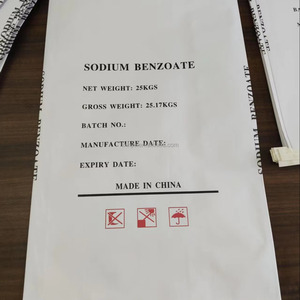
| Sodium Benzoate Granular | CAS 532-32-1 / E211 | Yeast & mold cell membrane permeability inhibition | 0.05% – 0.10% w/v | Strictly regulated max levels per food category |
| Potassium Sorbate Granules | CAS 24634-61-5 / E202 | Enzyme inhibition in fungal spore germination | 0.05% – 0.12% w/v | Synergistic when combined with E211 |
| Epsilon-PolyLysine (EPL) | CAS 28211-04-3 / Bio-derived | Cationic disruption of Gram-negative/positive bacteria | 15 ppm – 50 ppm | Novel/Bio-preservative Clean Label compliant |
| Cinnamic Acid Powder | CAS 140-10-3 / Flavoring | Natural phenolic antioxidant & antifungal agent | 0.01% – 0.05% w/v | FLAVEX / Natural Flavoring Substance |
Tailored manufacturing programs designed for the unique culinary traditions, high-volume production facilities, and eco-conscious consumer markets across Germany and Central Europe.
Providing high-capacity OEM liquid brine concentrates and dry salt-acid pre-mixes to regional canning plants around Brandenberg and Berlin. Formulated with precise calcium chloride crispness agents and buffered citric-acetic ratios to maintain firm vegetable texture through thermal pasteurization channels.
Supporting Berlin’s innovative food scene with organic-certified, non-GMO, clean-label brines. Custom-designed for unpasteurized kimchi, fermented kombucha-pickled roots, and craft deli pickles requiring live-culture compatibility alongside controlled microbial stabilization using natural bio-preservatives like Epsilon-PolyLysine.
ODM bulk drum and IBC tote packaging solutions for Berlin’s ghost kitchens, hotel chains, and large-scale catering providers. High-yield vinegar brines and spicy mustard-seed pickle infusions that maintain organoleptic freshness in open cold-chain deli containers over long operational periods.
Analytical foresight from our European regulatory and formulation team regarding shifts in buyer preference, food legislation, and sustainable manufacturing practices.
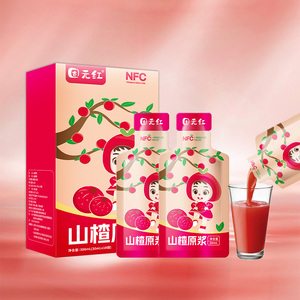
Consumer scrutiny in German retail markets (Edeka, Rewe, Bio Company) is driving procurement directors to replace traditional E211 (Sodium Benzoate) and E202 (Potassium Sorbate) with clean-label antimicrobial extracts, such as Hawthorn fruit puree extracts, fermented vinegar powders, and bio-peptides. Our Berlin OEM bench helps brands seamlessly reformulate without sacrificing shelf life.
Driven by EU health initiatives, pickle brands are lowering sodium chloride concentrations in favor of potassium chloride and calcium acetate blends. Our factory specializes in balancing osmotic pressure in low-sodium environment brines to prevent cucumber tissue softening while maintaining essential preservation metrics.
Berlin manufacturing sites are transitioning toward concentrated OEM brine bases to eliminate bulk water freight emissions. By delivering 10x ultra-concentrated liquid brines or automated dry-blend dissolution bags, we reduce transport carbon footprints across the Central European distribution network by up to 68%.
With Germany’s Lieferkettensorgfaltspflichtengesetz (LkSG) enforcing strict upstream supply chain visibility, food producers require complete documentation. Every batch leaving our factory comes backed with full lot traceability, non-GMO verification, heavy metal testing, and certified origin documentation.
Navigating raw material market volatility, shifting agricultural yields, and strict food safety compliance requires an ingredient partner with deep production discipline. As a global industrial supplier distributing over 2,500 food and beverage ingredients, we turn procurement into a predictable competitive advantage.
We match particle size, mesh density, titratable acid values, and purity percentage directly to your production line requirements before issuing a single quotation.
Every shipment includes comprehensive COAs, Allergen & Nutritional Statements, Country of Origin certificates, Kosher, Halal, ISO 22000, and HACCP compliance files.
Multi-origin producer approvals, forward contracts, and localized Central European warehousing protect your processing facility against market shortages.
Direct technical answers regarding OEM/ODM brine manufacturing, bulk chemical additives, order logistics, and regulatory compliance.
Partner with an established industrial ingredient supplier. Request technical data sheets, custom formulation assistance, or bulk pricing catalogs tailored to your Berlin production facility.
Get Catalog