
Directly sourced, spec-verified industrial ingredients meeting stringent EU Food Safety Standards (EFSA) for Portuguese food processors, beverage manufacturers, and bakery lines.
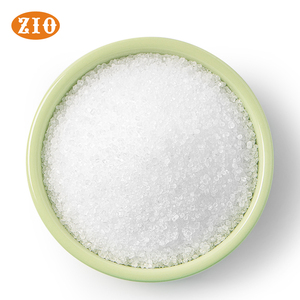
CAS No: 77-92-9
Purity: 99.5% - 100.5%
Grade: Food / FCC / USP
Pack Size: 25kg Kraft Bags
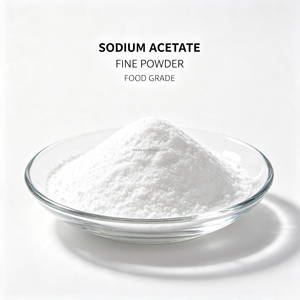
CAS No: 127-09-3
E-Number: E262(i)
Function: pH Buffer / Flavor Agent
Pack Size: 25kg Multi-wall Bag
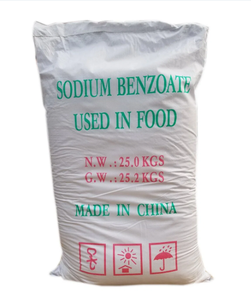
CAS No: 532-32-1
E-Number: E211
Shelf Life: 2 Years
Certification: Kosher / Halal / ISO
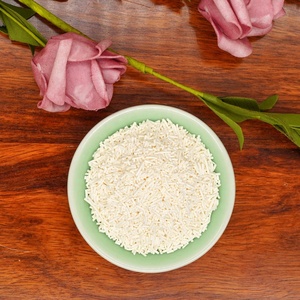
CAS No: 24634-61-5
E-Number: E202
App: Bakery, Cheese & Wine
Pack Size: 25kg Carton
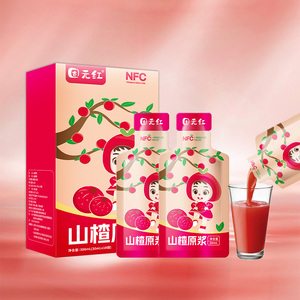
Type: Natural Fruit Extract
Quality: HACCP & ISO Certified
Format: Liquid Concentrate
App: Beverage & Confectionery
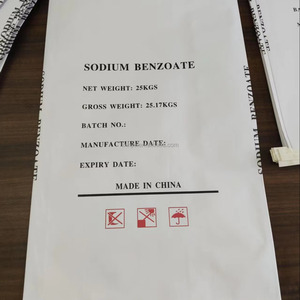
CAS No: 532-32-1
Form: Non-Dusting Granule
Purity: ≥ 99.0%
Pack Size: 25kg Woven Bag
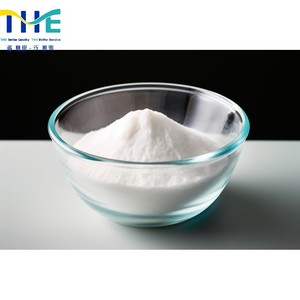
CAS No: 140-10-3
Assay: ≥ 99.5%
Function: Aroma / Preservative
Pack Size: 25kg Fibre Drum
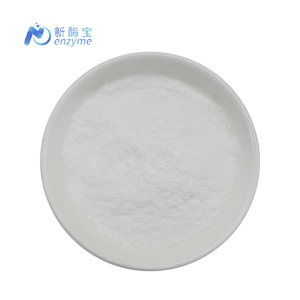
CAS No: 28211-04-3
Label: Clean-Label Antimicrobial
App: Meat, Seafood & Rice
Activity: High Heat Stability
As the modern Portuguese food processing ecosystem expands—stretching from the intensive agricultural corridors of Ribatejo and Alentejo to the specialized beverage and canning clusters in Porto, Aveiro, and Setúbal—manufacturing plants face unprecedented regulatory scrutiny and supply chain volatility. Industrial food manufacturers operating within Portugal require raw material partners who offer more than commodity trading. They demand technical depth, precise pKa and pH optimization guidance, strict adherence to European Food Safety Authority (EFSA) regulations, and uninterrupted logistically optimized supply lines.
Our enterprise infrastructure bridges the gap between global high-purity ingredient manufacturing and local Portuguese production needs. By maintaining multi-origin factory sourcing across over 2,500 specialized food and beverage ingredients, we empower procurement managers, product development bench scientists, and quality assurance executives to eliminate production bottlenecks while securing favorable landed costs.
From high-velocity industrial bakeries formulated for extended shelf-life Pão de Ló to modern canned seafood packaging plants requiring precision acidulants like Citric Acid Anhydrous E330, our supply network guarantees full lot traceability, Certificate of Analysis (COA) synchronization with every shipment, and compliance with EU Regulation (EC) No 1333/2008 on food additives.
Portugal’s rich culinary heritage is backed by a sophisticated modern processing sector. Our flavoring agents, acidulants, and bio-preservatives are engineered to solve specific biochemical challenges across regional food manufacturing hubs:
Concentrated in Matosinhos, Peniche, and Olhão, Portugal's renowned sardine, tuna, and mackerel canning factories rely on Citric Acid Anhydrous E330 and Sodium Acetate (E262i) for precise pH buffering in brine solutions. These agents stabilize flavor profiles, maintain fish muscle firmness, and prevent oxidative rancidity during thermal processing.
Industrial producers of Pastel de Nata custard fillings and packaged baked goods across Sintra and Greater Lisbon utilize Potassium Sorbate 99% Granules (E202) to inhibit mold growth in high-water-activity matrices ($a_w > 0.85$) without altering delicate vanilla and egg yolk flavor top-notes.
Across the Douro Valley and Minho region, wineries and fruit juice bottlers integrate our high-purity Potassium Sorbate and Cinnamic Acid derivatives to prevent secondary yeast fermentation post-bottling, ensuring micro-biological stability in sweet and semi-sparkling wines.
Producers of traditional Portuguese charcuterie (Chouriço, Alheira, Linguiça) in Alentejo leverage clean-label Epsilon-PolyLysine (EPL) Hydrochloride alongside Sodium Benzoate E211 to suppress Listeria monocytogenes and lactic acid bacteria spoilage during ambient curing and vacuum packaging.
From artisanal cheese facilities in Serra da Estrela to large-scale dairy plants in northern Portugal, controlling surface mold growth on rind-aged and fresh cheeses is achieved through targeted micro-dosing of Potassium Sorbate solutions, significantly extending retail display life.
Industrial condiment suppliers crafting regional Piri-Piri pepper sauces, table olives, and pickled vegetables utilize Sodium Benzoate and Anhydrous Sodium Acetate to maintain vinegar tartness, stabilize color pigment against UV degradation, and prevent mold caps.
To assist food scientists and technical R&D managers in optimizing formulation chemistry, the table below outlines the functional dynamics, pKa thresholds, and targeted antimicrobial spectrum of our primary food additive portfolio:
| Ingredient Name | E-Number / CAS | Optimal pH Range | Primary Technical Mechanism | Typical Industrial Dosage |
|---|---|---|---|---|
| Citric Acid Anhydrous | E330 / 77-92-9 | pH 2.5 – 6.0 | Chelates metal ions, depresses pH, synergizes antioxidants | 0.1% – 0.5% (w/w) |
| Sodium Acetate Anhydrous | E262(i) / 127-09-3 | pH 3.5 – 5.5 | Intracellular acidification, microbial growth retardant | 0.1% – 0.4% (w/w) |
| Potassium Sorbate 99% | E202 / 24634-61-5 | pH < 6.5 (Optimal < 5.5) | Inhibits yeast & mold enzyme systems (dehydrogenase) | 0.05% – 0.2% (w/w) |
| Sodium Benzoate | E211 / 532-32-1 | pH 2.5 – 4.5 | Disrupts cellular membrane permeability & anaerobic glycolysis | 0.02% – 0.1% (w/w) |
| Epsilon-PolyLysine (EPL) | CAS 28211-04-3 | pH 4.0 – 9.0 (Broad) | Electrostatic destruction of microbial cell membranes | 0.005% – 0.03% (w/w) |
| Cinnamic Acid Powder | CAS 140-10-3 | pH 3.0 – 6.0 | Natural aromatic antimicrobial & lipid oxidation inhibitor | 0.01% – 0.05% (w/w) |
Operating within the European Union mandates rigorous adaptation to modern consumer demands and legislative overhauls. Food and beverage manufacturers in Portugal are navigating three primary strategic shifts:
Portuguese consumers are scrutinizing ingredient decks on retail packaging more than ever. This shift has driven high demand for bio-preservatives like Epsilon-PolyLysine (EPL) Hydrochloride and natural extracts like Pure Hawthorn Fruit Puree Concentrates. These additives allow plant engineers to meet shelf-life benchmarks while removing traditional chemical preservatives from clean-label product ranges.
Trend 2: EU Green Deal & Packaging OptimizationTo align with Scope 3 carbon reduction goals under EU sustainability directives, Portuguese food factories are transitioning from liquid-form additives to ultra-concentrated dry powders and non-dusting granules, such as Sodium Benzoate E211 Granules and Citric Acid Anhydrous E330. Anhydrous forms eliminate the cost and environmental penalty of transporting bound water, offering superior storage stability and reduced packaging waste.
Trend 3: Supply Chain Resiliency & Multi-Origin Risk MitigationRecent global freight bottlenecks have highlighted the vulnerabilities of single-source procurement. Industry-leading Portuguese processors are partnering with distributors who maintain audited, multi-origin supplier networks. Port-adjacent staging near Lisbon (Porto de Lisboa) and Leixões (Porto de Leixões) guarantees rapid 48-to-72-hour delivery schedules across mainland Portugal, mitigating stockout risks for continuous-production assembly lines.
Detailed answers regarding import logistics, regulatory documentation, minimum orders, and technical compliance for operations in Portugal.
Every ingredient batch shipped to Portugal is fully compliant with EU Regulation (EC) No 1333/2008 and Regulation (EU) 231/2012 laying down specifications for food additives. We provide comprehensive documentation packages—including Certificates of Analysis (COA), Allergen Statements, Non-GMO Declarations, Heavy Metal Analysis, and BSE/TSE Free Statements—allowing your Quality Assurance team to pass Authority for Food and Economic Security (ASAE) audits seamlessly.
For items stocked in our European regional buffer warehouses, typical door-to-door transit times to industrial parks in Lisbon, Porto, Aveiro, or Braga are 48 to 72 hours via dedicated freight. For direct containerized factory orders (FCL/LTL), we offer CIF or DDP terms into the Port of Leixões or Port of Lisbon with standard shipping windows managed via transparent forward contracts.
Our standard industrial packaging for dry ingredients (such as Citric Acid, Potassium Sorbate, and Sodium Benzoate) consists of 25kg multi-wall paper bags or fibre drums packed on 1,000kg shrink-wrapped pallets. While our standard MOQ starts at 1 full pallet (1,000kg) for consolidated domestic delivery, mixed-pallet options and smaller sample lots are available for customer bench trials and pilot testing.
Yes. Our R&D and application specialists work closely with client bench teams to address functional formulation challenges. Whether you are replacing synthetic preservatives with natural options like Epsilon-PolyLysine (EPL) or optimizing acidulant ratios (Citric Acid vs. Sodium Acetate) to improve product stability without sour off-notes, we provide practical, trial-tested bench guidance.
Yes. The vast majority of our food-grade preservatives and additives—including Potassium Sorbate Granules, Sodium Benzoate, and Citric Acid Anhydrous—are produced under strict internationally recognized Kosher and Halal certification protocols. Documented certificates issued by recognized supervisory bodies are provided alongside technical data sheets (TDS) prior to purchase confirmation.
We publish regular ingredient market intelligence updates and offer strategic forward contracting options (3-month, 6-month, or 12-month fixed-price agreements). This allows Portuguese procurement managers to lock in volume pricing, hedge against raw material cost swings, and guarantee guaranteed safety stock levels reserved exclusively in our logistics network.
Connect directly with our senior ingredient specialists to evaluate technical parameters, receive audit-ready documentation, or lock in competitive volume pricing for your factory lines.