Leading the Food Ingredient Supply Chain  |  2,500+ Ingredients · 48 States

Food Colors & Functional Additives Suppliers in Tokyo Market

Technical Sourcing Whitepaper: MHLW-Compliant Natural Pigments, Preservatives & Formulation Benchmarks

Enterprise Product Portfolio

High-Purity Food Colors, Pigment Stabilizers & Natural Preservatives

Engineered for Greater Tokyo's high-speed processing facilities, ready-to-eat (RTE) bento packaging, and strict regulatory compliance.
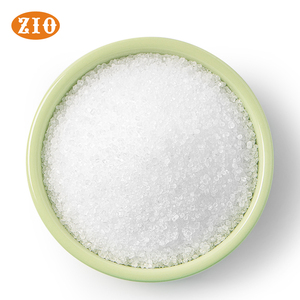
Natural Preservative Citric Acid Anhydrous E330 for Food Beverage
Inquire Now
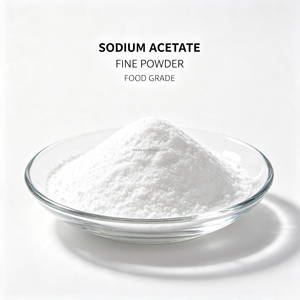
High Purity 99% Anhydrous Sodium Acetate Food Grade Powder Preservative CAS 127-09-3
High Purity 99% Anhydrous Sodium Acetate Food Grade Powder CAS 127-09-3
Inquire Now
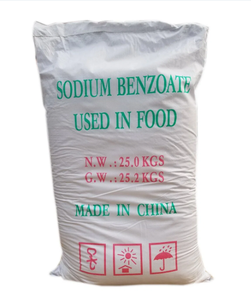
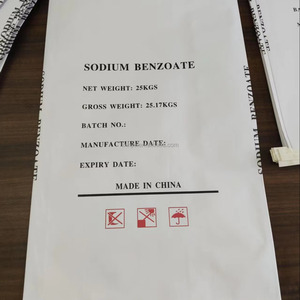
Sodium Benzoate Preservatives & Sweeteners Powder Food Grade 25kg Drum CAS 532-32-1
Sodium Benzoate Preservative Food Grade 25kg Drum CAS 532-32-1
Inquire Now
Food Grade Potassium Sorbate 99% Granules Preservative For Bakery Cheese
Food Grade Potassium Sorbate 99% Granules Preservative For Bakery & Cheese
Inquire Now
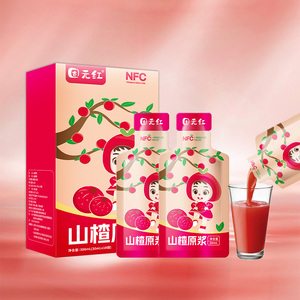
100% Natural Pure Hawthorn Fruit Puree Preservatives in Bottle HACCP ISO Certified
100% Natural Pure Hawthorn Fruit Puree Antioxidant & Preservative Concentrate
Inquire Now
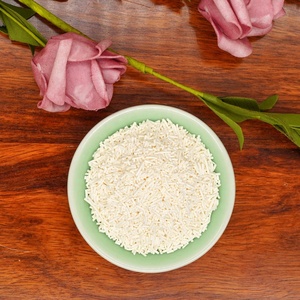
Food Grade Sodium Benzoate Preservative E211 CAS 532-32-1 High Purity White Granule
Food Grade Sodium Benzoate Preservative E211 High Purity White Granule Kosher Halal
Inquire Now
Wholesale Price Preservative & Antioxidants Food Grade Cinnamic Acid Powder CAS140-10-3
Food Grade Cinnamic Acid Powder Preservative & Antioxidant CAS 140-10-3
Inquire Now
Novenzyme Supply Natural Food Preservative 95% Epsilon-PolyLysine Hydrochloride
Natural Preservative 95% Epsilon-PolyLysine (EPL) Hydrochloride Powder
Inquire Now
2,500+
Stocked Ingredients
100%
MHLW & JAS Documented
48 Hr
Kanto Logistics Hub Delivery
0.01%
Color Batch Deviation Limit
Strategic Sourcing Analysis

Tokyo Food Coloring & Additives Supply Chain Architecture

The Greater Tokyo Metropolitan Area—comprising Tokyo, Kanagawa, Saitama, and Chiba—represents the world's most densely populated urban food processing market. Operating within this landscape requires an acute understanding of Japan's Ministry of Health, Labour and Welfare (MHLW) regulations, Article 10 of the Food Sanitation Act, and stringent consumer expectations for visual appeal and clean-label integrity.

Industrial food manufacturers supplying major convenience retail chains (7-Eleven, FamilyMart, Lawson) and high-end Tokyo department store basements (Depachika) face intense pressure to eliminate artificial coal-tar dyes (such as Red No. 2 or Yellow No. 4) in favor of naturally derived carotenoids, anthocyanins, betalains, and chlorophyllin complexes.
  • MHLW Compliance Assurance: Full verification against Approved Designated Additives lists and Existing Food Additives registries.
  • Color-Preservative Synergy: Formulating natural pigments alongside non-interactive preservation systems like Epsilon-PolyLysine (EPL) and Citric Acid Anhydrous.
  • Fluorescent Light Stability: Micro-encapsulation techniques to prevent pigment photolysis under 24-hour retail LED illumination.
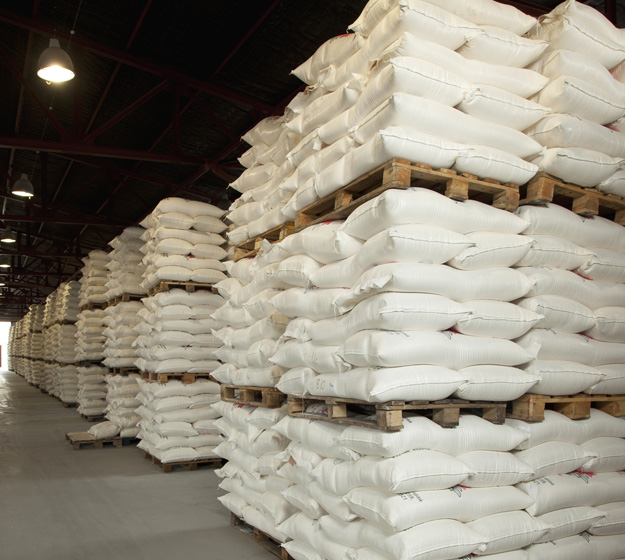
Bulk food ingredients and colorants staged for Tokyo market distribution
Tokyo Localized Industrial Applications

Precision Formulation Scenarios Across Tokyo's Food Belts

Technical integration matrix addressing pH shifts, retort heating, and shelf-life extension in Kanto region food processing plants.

Ready-to-Eat (RTE) Bento & Sushi Rice

In Saitama and Chiba central kitchens, Anhydrous Sodium Acetate is blended with natural yellow Gardenia extracts. Acetate buffers vinegar acidity while stabilizing yellow pigments in pickled radish (Takuan) and preventing browning in sushi rice without imparting sour off-notes.

Chilled & RTD Beverage Lines

Tokyo RTD tea and functional juice bottling lines utilize Citric Acid Anhydrous E330 alongside natural fruit concentrates. Citric acid acts as a chelating agent to complex iron ions, preventing oxidative darkening of red anthocyanins and vitamin C degradation during shelf storage.

Wagashi & Traditional Bakery

In Tokyo's artisanal confectionery centers (Asakusa, Ginza), high moisture bean pastes (Anko) rely on 95% Epsilon-PolyLysine (EPL) combined with natural Monascus red. EPL delivers potent antimicrobial control against spore-forming bacilli without causing color precipitation at thermal processing ranges (85°C–100°C).

Technical Performance Benchmark

Natural Colorants vs. Functional Stabilizers Matrix

Formulation parameters optimized for Japanese shelf-life requirements (CIE L*a*b* color scale persistence).

Colorant / Additive Class MHLW Japan Status Optimal pH Spectrum Thermal / Retort Stability Recommended Preservative Synergy Tokyo Retail Target Category
Monascus Red (Red Yeast) Existing Additive pH 4.0 – 8.0 High (Up to 120°C) Epsilon-PolyLysine (EPL) Chilled Deli Meats & Kamaboko
Gardenia Yellow (Crocidoside) Existing Additive pH 4.5 – 7.5 Moderate (Up to 100°C) Citric Acid Anhydrous Noodle Products & Confectionery
Spirulina Blue (Phycocyanin) Designated Additive pH 5.0 – 7.0 Low (< 60°C) Sodium Acetate / Cold Chain Chilled Desserts & Ice Cream
Beet Red (Betanin) Existing Additive pH 3.5 – 6.5 Low-Moderate (< 75°C) Cinnamic Acid & Ascorbic Acid Yogurt & Fermented Dairy
Natural Hawthorn Extract Natural Food Material pH 2.8 – 5.5 High (Up to 105°C) Potassium Sorbate Granules Functional RTD Syrups & Sauces
Market Trend Analysis

Emerging Color & Preservation Trends in Tokyo (2026–2030)

The Tokyo market is undergoing a rapid transformation driven by three core macro factors: stricter label transparency demands from aging demographics, the rise of plant-based alternative protein processing in Kanagawa, and strict energy-saving refrigeration policies across urban retail.


  • Clean Label Neutrality: Japanese consumers favor transparent packaging. Colorants must maintain exact chromaticity under ultra-violet filtering films without fading over standard 48-hour bento shelf lives.
  • Sodium Reduction & Preservation: Blending natural organic acid salts (Sodium Acetate & Citric Acid) allows manufacturers to lower overall sodium chloride content while preserving texture and vivid natural hues in processed seafood.
  • Fermentation-Derived Additives: Epsilon-PolyLysine (EPL), produced via Streptomyces albulus fermentation, is rapidly replacing synthetic sorbates in premium Tokyo bakery items due to its low dosage efficacy (50–500 ppm) and zero color modification.
  • Dairy processing icon

    Dairy & Plant Milk

    Confectionery icon

    Tokyo Confections

    Beverage processing icon

    RTD Beverages

    Sauces and dressing icon

    Sauces & Condiments

    Why Tokyo Procurement Leaders Partner With Us

    Enterprise Supply Chain Infrastructure & Technical Support

    Bridging global ingredient manufacturing excellence with localized logistics, document turnaround, and bench-scale technical assistance.

    Audit-Ready Documentation

    Every shipment to Tokyo port comes complete with lot-specific Certificate of Analysis (COA), heavy metals testing (Pb, As, Cd, Hg), micro-assay validation, allergen statements, Kosher/Halal documents, and non-GMO origin traceability.

    JIT Buffer Stock Strategy

    We maintain multi-warehouse distribution hubs supporting Tokyo, Yokohama, and Chiba maritime portals, providing Just-in-Time (JIT) containerload and LTL replenishment programs to buffer against global shipping delays.

    R&D Formulation Lab

    Our formulation desk offers benchmark trial samples, heat-stability screening, and color substitution testing to help Tokyo R&D teams seamlessly transition from synthetic tar dyes to clean-label natural extracts.


    Comprehensive Market Coverage

    Full Industrial Additive & Colorant Categories

    Fruit processing icon

    Fruit & Vegetable

    Flavorings icon

    Flavor Systems

    Custom blending icon

    Custom Blends

    Pickling icon

    Brining & Pickling

    Meat processing icon

    Meat Processing

    Baking ingredients icon

    Industrial Bakery

    Procurement Guidance

    Frequently Asked Questions by Tokyo Sourcing Teams

    Addressing regulatory status, shipping terms, shelf stability, and documentation compliance under Japanese food laws.

    How do your colorants and preservatives conform to Japan's MHLW regulations?
    All food colorants, pH control agents, and preservatives supplied to the Tokyo market undergo multi-stage auditing against the Ministry of Health, Labour and Welfare (MHLW) Designated Additives and Existing Food Additives lists. Detailed composition sheets, purity assays, and heavy metal spectrum analysis are provided prior to shipment to ensure seamless clearance at Tokyo Bay or Yokohama customs.
    Why is Epsilon-PolyLysine (EPL) widely used alongside natural colorants in Tokyo?
    Epsilon-PolyLysine (EPL) is an MHLW-approved natural antimicrobial agent derived from fermentation. Unlike synthetic sorbates or benzoates which can shift product pH and degrade delicate natural pigments (such as anthocyanins or spirulina blue), EPL exhibits high efficacy at neutral pH ranges (pH 5.0–8.0) without causing pigment precipitation or alterating visual shade.
    What documentation accompanies bulk orders of Citric Acid and Sodium Acetate?
    Each batch is accompanied by a comprehensive technical pack: batch-specific Certificate of Analysis (COA), detailed product specification sheet, allergen declaration, non-GMO validation, country-of-origin certificate, and Halal/Kosher accreditations where applicable. Documentation can be transmitted pre-shipment for plant QA pre-approval.
    How do you prevent natural color fading under Tokyo convenience store (Konbini) lighting?
    We work with food technologists to formulate natural pigments with synergistic antioxidant systems (such as Cinnamic Acid or Natural Hawthorn polyphenols) and pH buffers (Citric Acid/Sodium Acetate). These combinations protect chromophores against photo-oxidation caused by 24/7 fluorescent and LED light exposure in chilled retail display cases.
    What are the minimum order quantities (MOQ) and delivery lead times for Greater Tokyo?
    Standard packaging includes 25kg bags, 25kg drums, and 1,000kg tote bags. Through our strategically managed warehouse network in the Kanto region, stocked items can be dispatched for JIT delivery within 24 to 48 hours to facilities in Tokyo, Saitama, Chiba, and Kanagawa. Custom forward contracts are available for large-volume OEM production lines.
    Can your laboratory support reformulations from artificial synthetic dyes to natural colors?
    Yes. Our technical R&D team provides bench-scale matching services, spectrophotometric color space analysis (CIE L*a*b*), heat stress testing, and dosage recommendations to replace synthetic food dyes (such as Red No. 40 or Yellow No. 5) with MHLW-compliant natural alternatives without compromising final product shelf life or visual appeal.

    Request Technical Specs & Pricing for Tokyo Delivery

    Connect with our technical sourcing specialists to review sample availability, lot-specific COAs, and competitive contract pricing tailored for Japanese processing facilities.

    Inquire Now