
Premium grade additives optimized for extended shelf life, thermal stability, and sensory integrity across Pakistan's tropical dairy processing landscape.
Pakistan stands as the world's 5th largest milk producer, yielding over 60 billion liters of raw milk annually across Punjab, Sindh, and Khyber Pakhtunkhwa. However, the Pakistani dairy market is undergoing a structural evolution: shifting rapidly from an unorganized informal supply chain (loose milk delivery by Gawalas) toward commercial, pasteurized, ultra-high temperature (UHT), and value-added dairy manufacturing. As industrial processors scale up operations in industrial hubs like Lahore, Faisalabad, Sheikhupura, and Karachi, securing international-grade, certified dairy processing ingredients has become mission-critical for maintaining product stability, shelf life, and sensory consistency.
Exporting ingredients to Pakistani dairy processors requires more than standard chemical distribution; it demands a deep technical alignment with local ambient challenges. With summer temperatures routinely exceeding 42°C to 48°C in Central Punjab and Sindh, cold-chain breakdowns present severe spoilage risks from lactic acid bacteria, yeast, and mold proliferation. Consequently, global exporters must supply highly stable, spec-verified functional ingredients—ranging from bio-preservatives like Epsilon-PolyLysine (EPL) Hydrochloride and Potassium Sorbate to acidulants like Citric Acid Anhydrous E330—that satisfy strict regional regulatory bodies, including the Punjab Food Authority (PFA), Sindh Food Authority (SFA), and the Pakistan Standards and Quality Control Authority (PSQCA).
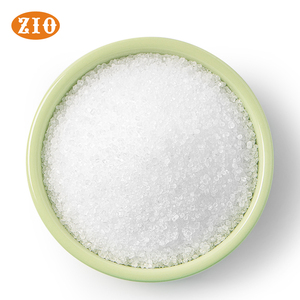
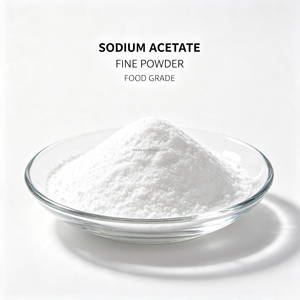
Technical Insight: Preserving proteins and fats in high-heat climates requires precise buffer management. Citric Acid Anhydrous and Sodium Acetate act synergistically to control ionic strength and pH without disrupting the casein micelle matrix during thermal processing.
To succeed in Pakistan's fast-growing commercial dairy landscape, ingredient formulations must match specific regional production techniques and consumer taste preferences. Below are the primary application vectors where specialized exported ingredients solve critical processing hurdles.
UHT milk dominates the packaged dairy market in Pakistan due to ambient supply chains. Acidulants like Citric Acid Anhydrous E330 and buffering salts like Sodium Acetate are used to adjust protein stability and prevent age-gelation during long thermal runs, ensuring smooth mouthfeel in chocolate, strawberry, and cardamom-flavored milks.
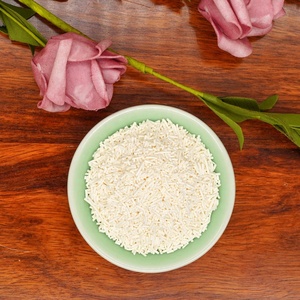
Local processors manufacturing Mozzarella, Processed Cheese slices, and traditional direct-acidified Paneer rely on Potassium Sorbate Granules and Natural Epsilon-PolyLysine (EPL) to prevent surface mold growth during aging and distribution in non-refrigerated retail environments.
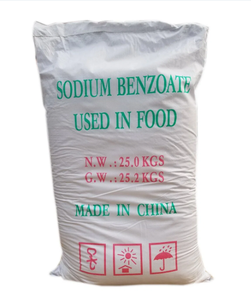
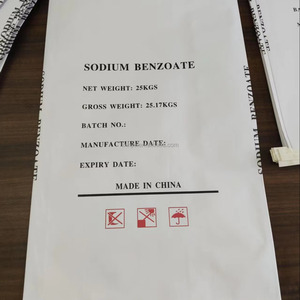
Fermented products are staples of the Pakistani diet. Maintaining starter culture viability while inhibiting wild yeast strain outgrowth in sweet and salted Lassi or pouch-packed Dahi requires controlled usage of Sodium Benzoate E211 and natural antimicrobials that comply with PFA residue limits.
High ambient heat causes rapid thermal shock during ice cream transport. Specialized antioxidants such as Cinnamic Acid Powder combined with organic acidifiers optimize lipid stability and preserve fat emulsion structure, eliminating oxidative rancidity in vegetable-fat-based frozen desserts.
Traditional sweets (Mithai) manufacturing has expanded into industrial dried milk solids (Khoya) and sweetened condensed milk. High-purity Anhydrous Sodium Acetate controls crystallization and stabilizes dairy solids during prolonged high-temperature vacuum concentration.
Modern retail consumers in urban centers like Islamabad and Karachi demand zero synthetic additives. Natural Pure Hawthorn Fruit Extracts and 95% EPL offer plant-derived antimicrobial protection that allows brands to market "Clean Label" premium dairy lines.
Navigating ingredient imports into Pakistan requires stringent compliance with domestic regulatory frameworks and international technical standards. Overseas exporters must align their chemical specifications with local regulatory enforcement to prevent port delays or batch rejection.
All imported dairy additives—whether synthesized chemicals, fermentation products, or botanical extracts—must possess valid Halal certification issued by bodies recognized by the Pakistan National Accreditation Council (PNAC). Ingredients such as Sodium Benzoate (E211), Potassium Sorbate, and Citric Acid Anhydrous exported by our facility undergo rigorous batch auditing to verify porcine-free equipment, non-alcoholic processing aids, and strict Halal compliance.
Following the 18th Constitutional Amendment, provincial bodies like the Punjab Food Authority (PFA) enforce rigorous chemical safety thresholds. Preservatives are subjected to strict Maximum Residue Limits (MRLs). For example, Benzoic Acid and Potassium Sorbate dosage in processed dairy must adhere strictly to Codex Alimentarius standards adapted by PSQCA. Exporters providing fully documented Certificate of Analysis (COA) dossiers enable local processors to clear PFA inspections effortlessly.
Pakistani dairy processors face a dual dilemma: rising consumer demand for clean-label, natural products against the physical reality of hot ambient supply chains. As a result, hybrid preservation systems—combining low-dose Potassium Sorbate with bio-preservatives like Epsilon-PolyLysine (EPL)—are experiencing rapid market adoption among top-tier dairies.
As an industrial food ingredient exporter managing over 2,500 conventional, organic, and non-GMO functional ingredients, we provide end-to-end supply security for food and beverage manufacturers worldwide.
Every lot of Citric Acid, Sodium Benzoate, or Potassium Sorbate is pre-screened for exact mesh size, solubility, assay purity (≥99%), and heavy metal parameters prior to dispatch.
Shipments arrive complete with COA, Allergen Statements, Non-GMO verification, Nutritional Data, SDS, and Halal/Kosher certificates to expedite custom clearance at Karachi Port (Port Qasim / KPT).
We maintain multi-origin backup supply lines and forward inventory contracts, protecting Pakistani buyers against raw material price volatility, ocean freight disruptions, and currency fluctuations.
Our experienced R&D teams collaborate directly with dairy plant managers to optimize dosage rates, evaluate cost-reduction alternatives, and resolve shelf-life stability issues.
Key technical, regulatory, and logistics answers for procurement managers, quality assurance leads, and food technologists in Pakistan.