
Explore our premium-grade chemical, organic, and enzymatic additives engineered to optimize microbiological stability, foam density, and thermal gelation in custom liquid egg white processing.
A comprehensive study on protein functional thermodynamics, pasteurization mechanics, and OEM scaling for South American food manufacturers.
Liquid egg white, mathematically categorized in industrial food manufacturing as liquid albumen, represents one of nature’s most sophisticated bio-polymeric functional systems. Composing approximately 60% of the total weight of a intact shell egg, liquid albumen consists of 88% water and 12% soluble globular proteins. For industrial buyers across Uruguay—spanning large-scale industrial bakeries in Canelones to specialized sauce compounders in Montevideo—understanding the precise protein composition of custom OEM liquid albumen is essential for optimizing heat-set gelation, whipping overrun, and emulsification performance.
The principal functional proteins present within our standardized liquid albumen lines include:
OEM Specification Metric: Standard un-whipped liquid albumen possesses a natural pH ranging between 8.6 and 9.2 (increasing as dissolved $CO_2$ escapes post-breaking). Our custom OEM manufacturing capabilities in Uruguay allow for exact pH stabilization (typically 7.0 to 7.6 using food-grade anhydrous citric acid E330) and dry matter control (adjusted between 10.5% and 12.5% solids) to match specific viscosity, gel bloom, and whip volume standards required by commercial clients.
Processing raw egg white into a pathogen-free, long-shelf-life liquid albumen requires precise thermal validation. Unlike whole egg or egg yolk, liquid albumen is exceptionally susceptible to thermal coagulation. Uncontrolled heat treatment damages the delicate globular structure of ovotransferrin and lysozyme, leading to lost whip overrun percentage, premature foam collapse, and cloudy denaturation in high-ratio sugar formulations.
Our OEM partner facilities leverage multi-stage plate heat exchangers (PHE) coupled with micro-bubble vacuum deaeration and precision holding tubes. By implementing exact pasteurization regimes—such as holding liquid albumen at 56.5°C to 57.5°C for 3.5 to 5.0 minutes—we achieve a validated 5-log reduction of Salmonella enteritidis, Listeria monocytogenes, and Escherichia coli while preserving 98.4% of native protein functionality.
To further enhance foaming kinetics for industrial confectioners and meringue manufacturers, our facilities can incorporate micro-dosed whip aids such as Triethyl Citrate (E1505) at concentrations under 0.1%, or adjust ionic strength via food-grade sodium salts. This results in an extended whip overrun exceeding 850% with low liquid drainage rates (less than 3.0 mL after 30 minutes), guaranteeing structural height in baked cakes, meringues, and soft-centered alfajores.
Targeted functional performance tailored for regional culinary traditions, export requirements, and industrial manufacturing lines in South America.
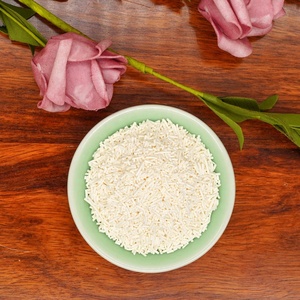
Uruguay's iconic alfajor production demands highly consistent egg white protein foams for snow-white meringue coatings and light, airy biscuit bases. Custom liquid albumen fortified with potassium sorbate (E202) prevents mold spore growth, maintaining water activity ($a_w \le 0.68$) for extended ambient shelf life across retail distribution.
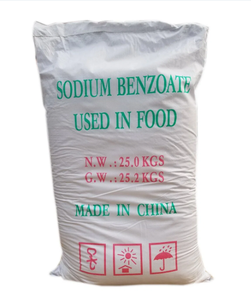
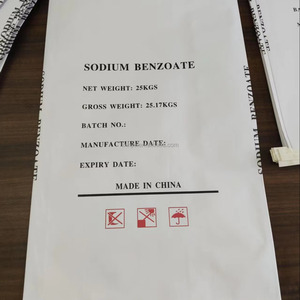
For industrial condiment operations in San José and Salto, liquid albumen provides clean-label emulsification and viscosity builder capabilities. Combined with high-purity Citric Acid Anhydrous E330 and Sodium Benzoate E211, it yields smooth oil-in-water emulsions that withstand shear stress without phase separation.
Uruguay’s world-renowned beef and meat processing plants utilize custom high-gel liquid albumen as a non-meat protein binder. Thermal irreversible gelation at 70°C binds free moisture and fat droplets, enhancing bite texture, cook loss yields, and slicing elasticity in processed meat products.
As Latin American consumers demand allergen-aware and gluten-free baked goods, liquid albumen acts as a primary structural scaffold replacing gluten networks. It provides crumb elasticity, moisture retention, and prevents structural collapse in gluten-free breads, sliced loaves, and snack cakes.
In dairy processing hubs like Florida and Soriano, chilled liquid albumen is leveraged as an overrun stabilizer in whipped yogurts, mousse desserts, and specialized ice creams. Its clean flavor profile allows subtle dairy, fruit, and vanilla notes to shine without off-tastes.
Liquid albumen serves as a gold-standard bioavailable protein base with a Digestible Indispensable Amino Acid Score (DIAAS) of >1.0. OEM ultra-filtered liquid albumen offers ultra-low carbohydrate content for ready-to-drink (RTD) protein shakes across Mercosur markets.
Regulatory shifts, biosecurity mandates, and trade dynamics within the MERCOSUR economic bloc.
Food processing facilities in Uruguay operate under strict oversight from the Ministerio de Ganadería, Agricultura y Pesca (MGAP) and the Laboratorio Tecnológico del Uruguay (LATU). Recent regulatory modernization requires complete traceability from primary poultry production units to finished liquid ingredient containers.
Custom OEM liquid albumen suppliers must guarantee non-detectable levels of veterinary drug residues (nitrofurans, tetracyclines, and fluoroquinolones) and heavy metals. Furthermore, international buyers importing liquid egg derivatives through Montevideo Port require certified free-from status for Highly Pathogenic Avian Influenza (HPAI), driving demand for heat-pasteurized, hermetically aseptic liquid supply chains.
Across Latin American consumer goods sectors, mandatory front-of-pack warning labels ("Octógonos de advertencia nutracéutica") have accelerated clean-label reformulations. Industrial manufacturers are actively replacing artificial hydrocolloids and synthetic binding agents with natural liquid egg white protein.
To preserve shelf stability without violating clean-label declarations, our OEM lines combine liquid albumen with natural bio-preservatives such as Epsilon-PolyLysine (EPL) Hydrochloride and natural organic acid buffers. This synergistic combination inhibits spore-forming Bacillus cereus while maintaining a consumer-friendly ingredient deck.
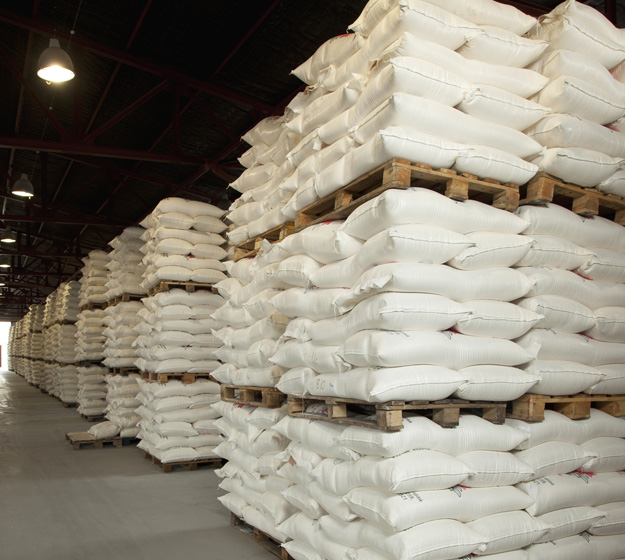
Delivering standardized, audit-ready bulk ingredients across specialized manufacturing sectors.












Four foundational operating pillars designed to eliminate ingredient supply friction, quality variance, and audit delays.
Functionality, particle size, protein ratio, solids percentage (10.5%-12.5%), and pH parameters are meticulously mapped to your processing plant formula before any commercial production quote is released. We match exact technical specifications to guarantee run-rate stability.
Every shipment of custom liquid albumen or ingredient additive comes fully backed by lot-specific Certificates of Analysis (COA), allergen statements, heavy metal screens, microbiological assay panels, and Kosher/Halal certifications. Complete compliance dossiers prevent QA audit bottlenecks.
Raw agricultural markets move. We safeguard production continuity through audited multi-plant supply approvals, forward inventory contracts, chilled tank storage (0°C to 4°C), and flexi-tank liquid logistics designed to buffer against localized regional supply shocks.
Our formulation specialists assist food processing engineers in evaluating functional alternatives, adjusting whipped overrun dynamics, converting from dried egg powder back to fresh pasteurized liquid albumen, and optimizing natural preservation decks.
Addressing microbial validation, thermal stability, bulk logistics, and custom ingredient specifications.
Contact our technical sourcing desk today to receive detailed specifications, lot certificates, landed cost modeling for Uruguay, and custom formula development samples.