Singapore’s food processing landscape operates under unique ambient and regulatory conditions. As a tropical hub with an average relative humidity (RH) exceeding 80% and temperatures hovering between 28°C and 34°C, sugar confectionery manufacturing presents complex technical challenges. Hydrocolloid breakdown, sucrose inversion, moisture absorption, and microbial blooming are constant risks for products manufactured in or re-exported through the ASEAN corridor.
As a leading global manufacturer and exporter of technical confectionery ingredients, our enterprise supply model addresses these challenges at a molecular level. By combining high-purity acidulants, calibrated pH buffering salts, and natural antimicrobial systems, we provide Singaporean food manufacturers with the chemical tools necessary to maintain structural integrity, vibrant flavor delivery, and extended shelf life.
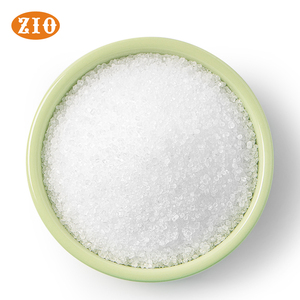
In hard-boiled candy and gummy formulations, controlling the rate of sucrose inversion into glucose and fructose is vital to preventing sticky, hygroscopic surfaces. The introduction of Citric Acid Anhydrous E330 (CAS 77-92-9) must be calculated against deposition temperature and cooling velocity. Because anhydrous citric acid contains zero bound water (unlike monohydrate variants), it eliminates moisture introduction during the late-stage acid-dosing phase of confectionery boiling, preventing premature gel softening in pectin systems.
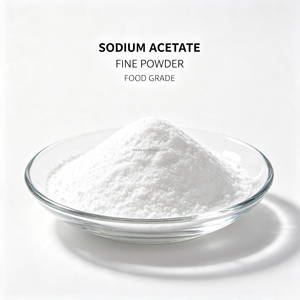
Furthermore, pairing organic acidulants with Anhydrous Sodium Acetate (CAS 127-09-3) creates a resilient buffer matrix. This matrix stabilizes the batch pH between 3.2 and 3.6—the precise range required for optimal high-methoxyl (HM) pectin gelation—while buffering against sharp acid spikes that cause hydrolysis of gelling polymers during thermal processing.
Modern consumers in Singapore and neighboring export markets (Malaysia, Indonesia, Thailand) increasingly demand lower-sugar, higher-moisture soft chews and jelly candies. However, elevated water activity ($a_w > 0.70$) creates a fertile environment for osmophilic yeasts and molds. Traditional preservation relies heavily on sorbates and benzoates; while highly effective, clean-label shifts have elevated interest in natural alternatives.
Epsilon-PolyLysine Hydrochloride (EPL), a naturally derived homopolymer of L-lysine produced via *Streptomyces albulus* fermentation, offers extraordinary broad-spectrum antimicrobial activity at ultra-low inclusion rates (10–50 ppm). EPL binds electrostatically to fungal and bacterial cell membranes, inducing structural breakdown without altering delicate fruity flavor notes or modifying the gel texture of starch-gelatin matrices.
Every lot is pre-vetted for particle size distribution (mesh density), moisture content, heavy metal tolerances, and active assay purity before export clearing, ensuring seamless integration into high-speed depositing lines.
Shipments ship with complete technical dossiers: COA, Technical Data Sheets (TDS), Allergen Declarations, Non-GMO verification, Kosher credentials, and MUIS-recognized Halal certifications compliant with SFA regulations.
Our application lab assists Singaporean food technologists in replacing synthetic food colors, adjusting hydrocolloid ratios for tropical bloom protection, and reformulating for reduced sugar tax and health grade compliance.
Strategic inventory staging and JIT container releases from international warehouses guarantee un-interrupted raw material supply to Singapore manufacturing zones like Jurong Industrial Estate and Senoko Food Zone.
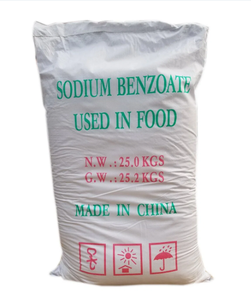
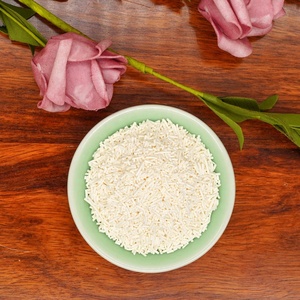
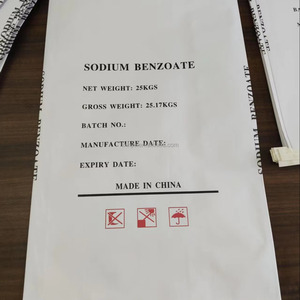
We supply specialized low-dusting and micro-granule formats for preservatives like Potassium Sorbate 99% (CAS 24634-61-5) and Sodium Benzoate E211, protecting factory air quality and improving dosing speed.
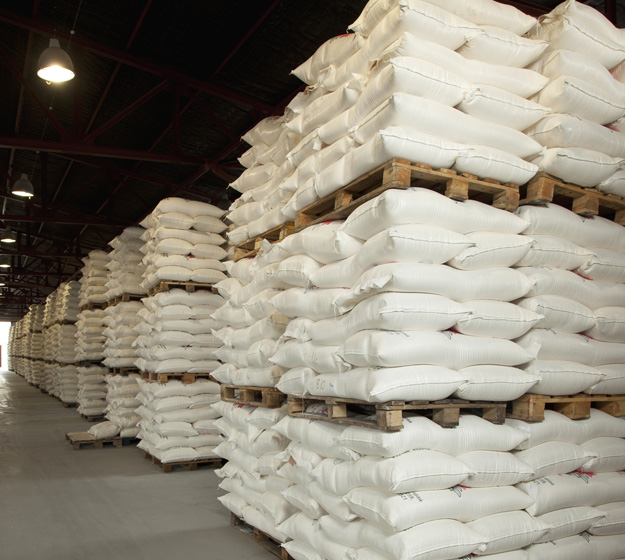
All bulk containers feature moisture-barrier foil linings and vacuum sealing specifically designed to withstand sea freight transits across humid equatorial marine routes.
Singapore serves as both a refined domestic food processing hub and a high-value exporter of halal-certified snacks across the Asia-Pacific region. Our ingredient portfolio is directly aligned with localized manufacturing scenarios:
Formulating gelatin-free gummies using bovine collagen or pectin matrices. Utilizing Citric Acid Anhydrous and Sodium Acetate to fine-tune gel setting times while adding Potassium Sorbate Granules to preserve soft-pack formulations stored in ambient regional retail environments.
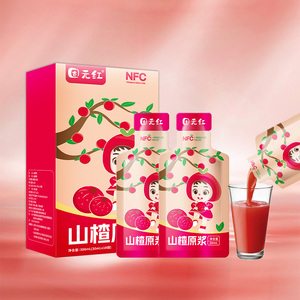
Incorporating natural fruit bases like 100% Pure Hawthorn Fruit Puree into traditional local favor profiles (Pandan, Coconut, Hawthorn, Mango). Hawthorn puree supplies natural acidity, dark red hues, and dietary fiber while enhancing pectin texture without synthetic flavorings.
Utilizing high-purity antioxidants such as Cinnamic Acid Powder (CAS 140-10-3) in fat-continuous compound chocolate matrices to prevent lauric fat rancidity and thermal oxidation caused by high tropical shipping temperatures.
Protecting high-water activity fruit fillings for Singaporean pastry manufacturers using bio-preservatives like Epsilon-PolyLysine (EPL), extending refrigerated shelf life without imparting synthetic chemical off-tastes.
Singapore's food sector is undergoing rapid transformation driven by health initiatives and stringent food safety oversight by the Singapore Food Agency (SFA) and the Health Promotion Board (HPB).
The mandatory Nutri-Grade labeling scheme in Singapore, initially targetting beverages, has increased consumer scrutiny on total sugar content across confectionery items. Manufacturers are actively replacing high-glycemic sucrose matrices with polyols (Maltitol, Isomalt, Erythritol) and soluble dietary fibers. However, sugar-free confections tend to absorb ambient humidity faster than sucrose-based equivalents. Incorporating targeted acidulant systems and precise anti-caking pH buffers is crucial to preventing moisture migration in sugar-free soft candies.
Singaporean consumers demonstrate a growing preference for "No Artificial Preservatives" claims. This shift is driving compounders to transition from classical chemical preservatives like Sodium Benzoate to fermented bio-preservatives (Epsilon-PolyLysine) and natural plant extracts with antioxidant properties (Cinnamic Acid, Hawthorn polyphenols). Our clean-label ingredient suite allows R&D teams to satisfy these demands without compromising shelf stability.
Singapore acts as an authoritative processing and export node for Halal food products targeting neighboring Muslim-majority markets in Malaysia, Indonesia, and the Middle East. Ensuring that all raw material batches carry recognized Halal credentials (such as MUIS compatibility) is non-negotiable. Our enterprise export programs provide full lot traceability and verified Halal documentation for every single shipment entering Jurong Port or Changi Logistics Park.
Understanding production reality means recognizing that delivery delays, out-of-spec physical parameters, or missing COA paperwork can stall an entire automated confectionery line. Our company maintains consolidated ingredient inventories, rigorous lab-testing protocols, and robust multi-origin contingency arrangements.
When you partner with us for your Singapore procurement, you gain direct access to over 2,500 industrial food ingredients managed under a unified quality assurance system.
Connect with our Singapore export specialists to request ingredient specifications, schedule R&D sample dispatches, or receive custom volume quotes for your production facility.