
Engineered in state-of-the-art Chinese manufacturing complexes with rigorous allergen-segregated protocols, optimized for seamless integration into Brazilian bakery, meat, dairy, and beverage production lines.
Brazil represents the largest food processing market in Latin America, driven by a population of over 214 million consumers whose dietary preferences are undergoing a seismic shift toward health-conscious, allergen-safe, and clean-label consumption. According to regulatory frameworks established by ANVISA (Agência Nacional de Vigilância Sanitária) under Federal Law No. 10.674 and updated label requirements via RDC No. 727/2022, strict declaration of gluten content ("CONTÉM GLÚTEN" vs. "NÃO CONTÉM GLÚTEN") is legally mandated for all retail and food-service packaged products.
For Brazilian food processors operating across São Paulo, Rio de Janeiro, and the Southern agricultural processing hubs (Paraná, Santa Catarina, and Rio Grande do Sul), sourcing high-purity, guaranteed gluten-free ingredients from specialized Chinese manufacturing hubs has evolved from a simple cost-reduction tactic into a core strategic supply chain pillar. China’s advanced biotechnology and synthetic chemistry processing infrastructures offer unmatched economies of scale, superior batch consistency, and reliable bulk availability for critical acidulants, hydrocolloids, shelf-life extenders, and bio-preservatives.
Brazil's food regulatory authority enforces rigorous detection thresholds (ELISA sandwich assay < 20 ppm gluten). Chinese manufacturers providing documentation packages compliant with ANVISA norms streamline import clearing at Santos and Paranaguá ports.
Brazil's high ambient humidity and elevated temperatures accelerate oxidative rancidity, microbial spoilage, and starch retrogradation in gluten-free bakery items. High-grade preservatives like Potassium Sorbate, Sodium Benzoate, and EPL are indispensable.
By leveraging direct bulk shipments from primary Chinese factories, Brazilian food manufacturers secure up to 25%-40% cost efficiency on functional ingredients compared to local distributor markups, safeguarding processing margins.
Gluten-free reformulations require precise technical balancing to replicate the viscoelastic properties, gas retention, shelf stability, and mouthfeel traditionally provided by wheat gluten matrices.
In traditional cassava-based products like Pão de Queijo and emerging commercial gluten-free sliced breads, lack of gluten leads to rapid staling and crumb friability. The inclusion of Potassium Sorbate Granules and Anhydrous Sodium Acetate acts as dual-action antimicrobials and buffering agents, maintaining dough moisture balance, preventing mold development, and extending ambient shelf life up to 21 days across hot regional distribution networks.
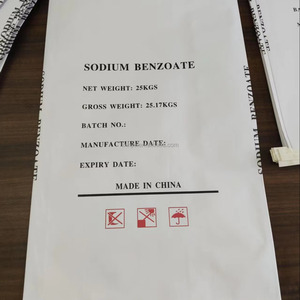
Brazil’s meat processing sector heavily utilizes non-gluten fillers, starches, and binding agents in emulsified sausages (linguiça frescal and salsicha). Incorporating food-grade Sodium Benzoate E211 and biological preservatives like Epsilon-PolyLysine (EPL) inhibits Listeria monocytogenes and Lactobacillus spoilage without altering muscle protein binding capacity, preserving color and gel strength throughout refrigerated logistics channels.
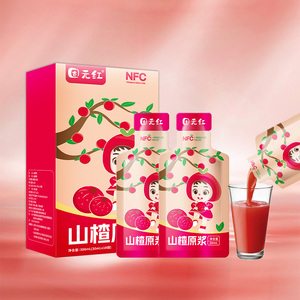
Formulating ready-to-drink (RTD) guarana beverages, fruit juices, and functional plant-based dairy alternatives requires robust acidulants and antioxidant systems. Chinese-manufactured Citric Acid Anhydrous E330 provides clean, tart acidity and chelates metal ions, working synergistically with natural botanical extracts like Hawthorn Fruit Puree to deliver stable vitamin profiles and vibrant consumer-appealing colors.
Building buyer confidence through rigorous physical, chemical, and microbiological quality verification at every stage of synthesis, purification, packaging, and export shipment.
To guarantee compliance with both European (< 20 ppm) and ultra-strict corporate standards (< 5 ppm), our Chinese manufacturing plants operate completely isolated production zones for functional food additives. Synthesizers, spray dryers, crystallizers, and packaging automation systems undergo validated Clean-In-Place (CIP) regimes with routine ELISA allergen testing of wash water and product contact surfaces.
Every consignment dispatched to Brazilian destinations undergoes mandatory batch-specific testing for heavy metals (Lead, Arsenic, Cadmium, Mercury), pesticide residues, microbial pathogens (Salmonella, E. coli, Yeasts & Molds), and gluten residues, backed by an immutable Certificate of Analysis (COA).
Technical data breakdown for procurement specialists, quality assurance managers, and product formulation developers.
| Ingredient Name | CAS / E-Number | Purity / Standard | Primary Functional Role | Key Brazilian Applications | ANVISA Status |
|---|---|---|---|---|---|
| Citric Acid Anhydrous | 77-92-9 / E330 | 99.5% - 100.5% (BP/USP/FCC) | Acidulant, Antioxidant Synergist, pH Regulator | Beverages, Confectionery, Fruit Jams | Approved (INS 330) |
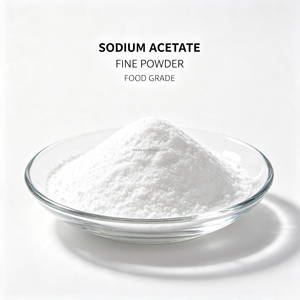
| Sodium Acetate Anhydrous | 127-09-3 / E262(i) | ≥ 99.0% (Food Grade) | Buffering Agent, Flavor Enhancer, Preservative | GF Bakery, Prepared Meals, Meat Products | Approved (INS 262i) |
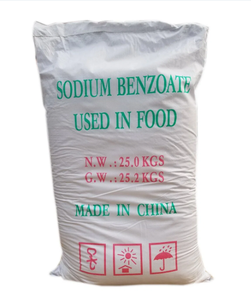
| Sodium Benzoate Powder/Granule | 532-32-1 / E211 | 99.0% - 100.5% (FCC IV) | Antimicrobial Preservative (Molds/Yeasts) | Carbonated Soft Drinks, Sauces, Dressings | Approved (INS 211) |
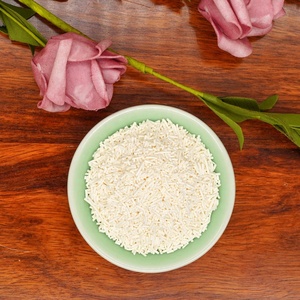
| Potassium Sorbate Granules | 24634-61-5 / E202 | 99.0% - 101.0% (FCC/USP) | Fungistatic & Mold Inhibitor | GF Bread, Cheese, Margarine, Wine | Approved (INS 202) |
| Epsilon-PolyLysine (EPL) HCl | 28211-04-7 / Natural | ≥ 95.0% Active Bio-Polymer | Clean-Label Bio-Preservative | GF Fresh Pasta, Starch Gel Desserts | Approved / GRAS |
| Cinnamic Acid Powder | 140-10-3 / Flavoring | ≥ 99.0% Natural/Synthetic | Antioxidant, Antimicrobial Agent | Flavored GF Baked Goods, Seasonings | Approved Flavoring |
Importing industrial raw materials into Brazil demands precision handling of maritime shipping routes, customs tariffs (NCM), and regulatory clearances.
Direct container shipping options (FCL & LTL) operating from major Chinese seaports—Qingdao, Ningbo, Shanghai, and Tianjin—deliver reliable transit times to Brazil’s key maritime gateways: Port of Santos (SP), Paranaguá (PR), and Rio Grande (RS). Typical ocean transit durations range between 32 to 42 days depending on vessel rotation and transshipment hubs.
Every ingredient shipment is issued with precise Nomenclatura Comum do Mercosul (NCM) harmonized tariff codes. Complete documentation suites—including Commercial Invoice, Packing List, Clean Bill of Lading, Certificate of Analysis (COA), Fumigation Certificate, and Sanitary Certificate—are synchronized with the Brazilian importer’s RADAR system to avoid customs detention.
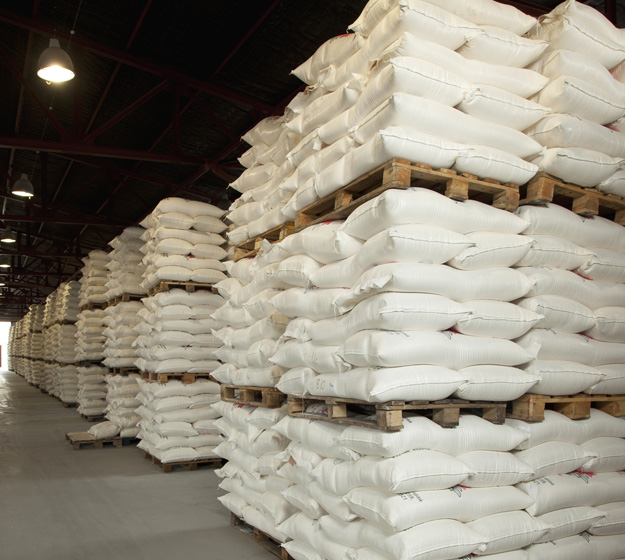
To combat moisture ingress and bag rupture during equatorial maritime transit, ingredients are packed in multi-wall kraft paper bags with inner high-density polyethylene (HDPE) liners, stretch-wrapped on heat-treated ISPM-15 compliant wooden or plastic pallets with desiccant packs integrated into every 20ft/40ft container load.
Addressing common regulatory, commercial, and technical inquiries from Brazilian food production companies and raw material distributors.
Combining primary manufacturing efficiency with end-to-end supply chain accountability to protect your plant operating margins.
Direct supply relationship with automated, multi-ton synthesis facilities in Shandong, Jiangsu, and Zhejiang provinces, eliminating middleman distributor markups and guaranteeing competitive FOB/CIF prices.
Our food scientists and formulation engineering team provide dedicated technical advice on dosage rates, functional substitutions, and pH optimization for gluten-free matrix stability.
Every lot is subjected to high-performance liquid chromatography (HPLC), atomic absorption spectroscopy (AAS), and microbiological assays to guarantee 100% specification adherence.
Request technical data sheets, batch Certificates of Analysis, ANVISA compliance dossiers, or direct container quotation for the Brazilian market.