
Standardized feed & food-grade additives synthesized under FAMI-QS, ISO22000, and HACCP quality protocols for optimal animal nutrition, feed preservation, and gut health optimization in Romania.

An in-depth guide for animal nutritionists, compound feed mill managers, and procurement professionals operating in Romania and the greater Black Sea agricultural basin.
In modern intensive swine and poultry production across Romanian regions such as Wallachia, Moldavia, and Banat, optimizing stomach pH is the cornerstone of non-antibiotic growth promotion. Weaned piglets often suffer from insufficient endogenous hydrochloric acid (HCl) secretion, leading to an elevated gastric pH (>4.2). This compromised acidic barrier allows enteropathogenic Escherichia coli (ETEC) and Salmonella enterica to colonize the small intestine.
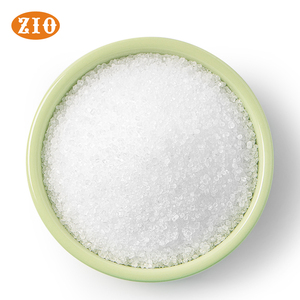
The strategic incorporation of Citric Acid Anhydrous E330 and organic acid salts reduces feed buffering capacity (B-value), rapidly lowering stomach pH to below 3.5. This pH activation shifts zymogen pepsinogen into active pepsin, dramatically elevating crude protein digestibility and minimizing unabsorbed amino acids reaching the hindgut, thereby reducing pathogenic bacterial proliferation.
Grain storage conditions in Central and Eastern Europe present seasonal challenges regarding moisture content and temperature fluctuations. Mold contamination by Aspergillus, Fusarium, and Penicillium species produces lethal mycotoxins (Aflatoxin B1, Ochratoxin A, T-2 toxin, Zearalenone) that impair animal immunity and feed conversion ratios (FCR).
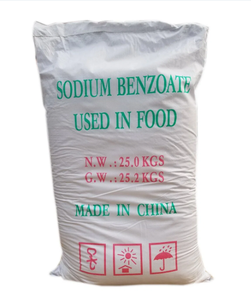
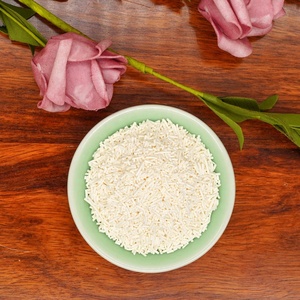
The combination of Potassium Sorbate 99% Granules and Sodium Benzoate E211 creates a dual-action antimicrobial barrier. Lipophilic, un-dissociated molecules of sorbic and benzoic acids cross fungal cell membranes at pH levels typical of stored grain matrices. Once inside the neutral fungal cytoplasm, the acids dissociate, releasing hydrogen ions (H+), collapsing the transmembrane proton gradient, inhibiting essential metabolic enzymes (e.g., alpha-ketoglutarate dehydrogenase), and terminating fungal spore germination.
| Active Ingredient | CAS / E-Number | Target Functional Role | Typical Feed Dosage | Primary Species Application | EU Compliance Standard |
|---|---|---|---|---|---|
| Citric Acid Anhydrous | 77-92-9 / E330 | Acidifier / Chelating Agent | 3.0 – 10.0 kg/MT | Swine Piglets, Poultry Broilers | EFSA Category 1 (Technological) |
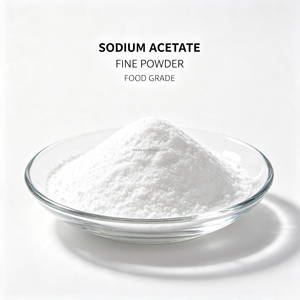
| Sodium Acetate Anhydrous | 127-09-3 / E262 | Systemic Buffer / Fat Precursor | 2.0 – 5.0 kg/MT | Dairy Cows, Calves, Swine | EU Feed Additive Reg 1831/2003 |
| Potassium Sorbate | 24634-61-5 / E202 | Mold & Yeast Inhibitor | 0.5 – 2.0 kg/MT | Compound Feeds, Silage Mixes | FAMI-QS / ISO22000 Certified |
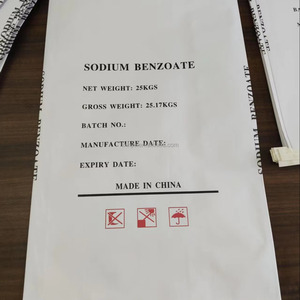
| Sodium Benzoate | 532-32-1 / E211 | Broad-Spectrum Antimicrobial | 0.5 – 1.5 kg/MT | Liquid Feed, High-Moisture Grain | EFSA Approved Preservative |
| Cinnamic Acid | 140-10-3 | Phytogenic Gut Health Modulator | 0.1 – 0.5 kg/MT | Poultry, Aquaculture, Swine | Reach Registered / Grade A Quality |
| Epsilon-PolyLysine HCl | 28211-04-3 / 95% | Cationic Bio-Preservative | 0.05 – 0.2 kg/MT | Specialized Aquaculture & Premixes | Non-GMO Fermentation Derived |
Customized additive integration tailored to the specific environmental, regional, and operational parameters of Romanian livestock farms and commercial feed manufacturing centers.
 Swine Integration in Wallachia & Banat
Large-scale swine breeding complexes in Counties like Timiș, Arad, and Ialomița demand stringent biosecurity and gut acidifying regimes. Our Citric Acid Anhydrous and Sodium Benzoate granulates are widely utilized in nursery piglet diets to lower stomach pH, prevent post-weaning diarrhea, and substitute traditional antibiotic growth promoters.
 Poultry Broiler & Layer Hygiene
Poultry integrators around Bucharest, Buzău, and Moldavia operate high-throughput feed mills requiring absolute Salmonella control. Combining micro-granular Sodium Benzoate E211 with Potassium Sorbate ensures complete feed decontamination while preventing mold growth in vertical silo storage bins during humid summer months.
 Dairy Cattle & Forage Preservation
Transylvanian dairy enterprises focusing on high-yielding Holstein cattle utilize Anhydrous Sodium Acetate as an effective rumen acetate buffer, supporting acetate-to-propionate ratios necessary for maintaining high milk fat percentages. Concurrently, Sorbate-based solutions protect maize silage from secondary fermentation.
 Inland Aquaculture & Carp Hatcheries
Freshwater aquaculture facilities along the Danube basin and Dobrogea region require moisture-stable, pathogen-free floating pelleted feeds. The inclusion of Epsilon-PolyLysine Hydrochloride provides advanced antibacterial stability without compromising digestive enzymatic activity in cyprinid and salmonid species.
 Industrial Premix & Concentrate Milling
Commercial feed blenders operating in Cluj-Napoca, Brașov, and Constanța leverage our high-purity crystalline powders for custom premix production. Dust-free physical handling, narrow particle size distribution, and full batch traceability streamline automated micro-dosing systems.
 High-Moisture Grain & Silage Protection
During autumn harvests across the Romanian Plain, wet corn and legume silage are vulnerable to aerobic spoilage once silos are opened. Applying liquid or dry blends of Sorbic Acid, Benzoate, and Citric Acid halts yeast propagation, preserving aerobic stability for over 14 days post-opening.
Navigating regulatory transitions, supply chain dynamics, and sustainability benchmarks in Eastern Europe's expanding agricultural sector.
In accordance with the European Green Deal and EU Regulation 2019/4 on medicated feed, Romanian livestock producers are dramatically reducing antimicrobial usage. Organic acid blends (Citric Acid, Benzoic Acid, Sorbic Acid) combined with natural phytogenics (Cinnamic Acid, Botanical Extracts) have emerged as the standard replacement strategy. These natural additives suppress pathogen loads while enhancing nutrient uptake efficiency without promoting antibiotic resistance genes (ARGs).
As one of Europe's largest corn and wheat exporters, Romania is transitioning from exporting raw grains to vertical value-addition through domestic meat processing and compound feed manufacturing. This macro-shift demands high-volume, cost-competitive, and EFSA-compliant feed additives sourced directly from audited tier-1 Chinese manufacturers to maintain global competitiveness.
Direct ocean shipping routes connecting major Chinese ports (Ningbo, Qingdao, Shanghai) to the Port of Constanța offer Romanian importers optimized freight lead times (14 to 21 days) and reduced landed costs compared to Northern European transshipment routes. Establishing reliable sea-rail intermodal supply lines guarantees consistent raw material availability for Romanian processing hubs.
Built for modern production reality: stringent quality controls, robust global supply chain execution, and total regulatory compliance.
Purity grades, particle mesh sizes, bulk densities, and solubility parameters are precisely matched to your factory specification prior to order confirmation.
All production facilities operate under strict FAMI-QS, ISO22000, and HACCP certifications, backed by batch-wise HPLC and ICP-MS lab testing.
Every shipment includes comprehensive documentation packs: COA, Technical Data Sheets (TDS), MSDS, Allergen Statements, Non-GMO, Dioxin-Free, and Heavy Metal compliance certs.
Established maritime shipping agreements guarantee competitive ocean freight rates, flexible container release schedules, and seamless Romanian customs clearance clearance support.
Detailed answers regarding EU regulatory compliance, shipping logistics, quality assurance, and product specifications.
Request our complete technical product catalog, certificate packages, and real-time FOB/CIF Constanța price quotations today. Our technical sales team is ready to support your formulation and supply chain requirements.