
High-purity, spec-verified, and certified gluten-free processing aids, preservatives, and natural bases engineered for high-performance Mexican food manufacturing lines.
The global demand for gluten-free (GF) validated raw materials has shifted from a niche dietary requirement to a core industrial manufacturing pillar across Latin America. Mexico represents one of the fastest-expanding markets for clean-label, gluten-free, and functional packaged foods. This surge is propelled by elevated consumer health awareness, growing diagnosis rates of celiac disease and non-celiac gluten sensitivity (NCGS), alongside regulatory enforcement under NOM-051-SCFI/SSA1-2010 (front-of-package warning labels).
As Mexican food and beverage processors seek to reformulate traditional corn, wheat, and dairy matrices into competitive gluten-free alternatives without compromising structural integrity, shelf life, or sensory profiles, establishing direct, audited supply chains with premier Chinese chemical and biochemical manufacturers has become a strategic imperative. China’s advanced industrial biotechnology infrastructure provides unmatched scale, cost efficiency, and rigorous batch-to-batch consistency for critical additives—including non-allergenic hydrocolloids, clean-label preservatives, acidulants, buffering systems, and functional plant-derived extracts.
Information Gain Insight: Sourcing gluten-free ingredients requires more than standard chemical purity. In modern automated processing plants across Mexico City, Guadalajara, and Monterrey, ingredient suppliers must guarantee absolute cross-contamination controls. Our facilities utilize dedicated, validated non-gluten processing lines backed by Sandwich ELISA testing to ensure gluten levels remain strictly under 5 ppm, well below the international Codex Alimentarius standard of 20 ppm.
Substituting wheat gluten in industrial food manufacturing introduces significant physical and chemical hurdles. Gluten provides viscoelastic elasticity, gas retention, moisture binding, and structural stability. When formulation engineers remove gluten, they must rebuild the rheological matrix using specialized starches, hydrocolloids, acidulants, and precise preservation systems tailored to Mexico’s diverse climatic regions—ranging from humid coastal zones to high-altitude urban centers.
| Application Sector | Formulation Challenge | Recommended Ingredient Solution | Functional Mechanism |
|---|---|---|---|
| Gluten-Free Bakery & Tortillas | Staling, crumb brittleness, fungal spoilage in warm climates. | Potassium Sorbate 99% + Anhydrous Sodium Acetate | Inhibits mold growth while stabilizing crumb moisture and buffering pH to delay starch retrogradation. |
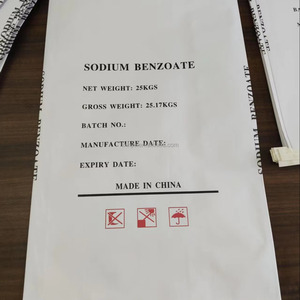
| Beverages & Nectars | Flavor degradation, microbial growth, oxidation in high-brix drinks. | Citric Acid Anhydrous E330 + Sodium Benzoate E211 | Provides sharp acidulant profile, chelates metal ions, and delivers broad-spectrum antimicrobial protection. |
| Plant-Based Dairy Alternatives | Proteolysis, syneresis, and short ambient shelf life. | 95% Epsilon-PolyLysine (EPL) Hydrochloride | Natural bio-preservative targeting Gram-positive and Gram-negative bacteria without disrupting subtle dairy flavors. |
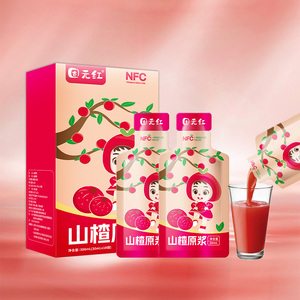
| Confectionery & Dried Snacks | Lipid oxidation, moisture absorption, loss of crispness. | Cinnamic Acid Powder + Natural Hawthorn Puree Base | Natural antioxidant radical scavenging combined with clean-label botanical preservation. |
Mexico’s bakery and tortilla markets are undergoing rapid transformation. Industrial bakers producing gluten-free bread, corn-chia composite tortillas, and packaged gluten-free snacks face rapid retrogradation (staling) and mold vulnerability. Because gluten-free doughs require higher water activity ($a_w$) to maintain soft texture, they create an optimal medium for mold spores such as Aspergillus and Penicillium.
By integrating Food Grade Potassium Sorbate 99% Granules in combination with Anhydrous Sodium Acetate, commercial bakeries achieve extended shelf life (up to 45 days ambient) while protecting dough viscosity. Granular sorbates eliminate fine dust in dust-sensitive processing rooms, ensuring precise dosage during automated dry blending.
Mexico is one of the world's largest consumer markets for carbonated beverages, flavored waters, and RTD teas. Formulating low-sugar or gluten-free botanical beverages demands strict acidulation and preservation to counteract high tropical ambient temperatures. Citric Acid Anhydrous E330 acts as a primary pH control agent and sequestrant, maximizing the efficacy of Sodium Benzoate (E211). Together, they prevent yeast fermentation and spoilage in high-throughput liquid packaging lines.
Navigating the Mexican food market requires rigorous compliance with federal health authorities and consumer labelling frameworks. Key structural shifts include:
All imported raw ingredients must meet strict heavy metal, pesticide, and microbiological limits set by COFEPRIS (Comisión Federal para la Protección contra Riesgos Sanitarios). Every shipment is accompanied by batch-specific COAs verified by ISO/IEC 17025 accredited laboratories.
Mexican consumers actively avoid products bearing multiple black warning seals ("EXCESO CALORÍAS", "EXCESO SODIO"). Our high-purity functional additives allow formulators to achieve micro-dosage efficacy, preserving shelf life without exceeding critical sodium intake thresholds.
With Mexico establishing itself as a global manufacturing hub, food processors require reliable maritime corridors from China directly into major Mexican ports. We operate optimized logistics programs servicing Puerto de Manzanillo (Pacific trade corridor) and Puerto de Veracruz (Gulf coast entrance).
As a leading Chinese supplier and exporter specializing in gluten-free ingredients and specialized additives, our corporate strategy rests upon four foundational pillars designed to eliminate operational risk for procurement teams across Mexico:
We recognize that in industrial food manufacturing, a single cross-contamination event can compromise an entire production lot and result in costly consumer recalls. Our production sites operate under strict HACCP and FSSC 22000 management systems. Every batch of citric acid, sorbate, benzoate, or bio-preservative undergoes quantitative allergen testing prior to export packing.
Quality assurance managers in Mexico require rapid documentation to clear local customs and satisfy internal food safety audits. Every shipment leaves our factory with a comprehensive technical dossier:
Our in-house R&D team works directly with Mexican food technologists to evaluate functional substitutes, clean-label conversions, and cost-reduction pathways. Whether replacing synthetic additives with Epsilon-PolyLysine (EPL) Hydrochloride or optimizing buffer systems with Sodium Acetate, we supply technical guidance on usage levels, pH parameters, and solubility optimization.
Direct technical and logistical answers for procurement directors, food scientists, and regulatory affairs leads in Mexico.
Partner with China's premier audited ingredient exporter. Get instant factory-direct pricing, COFEPRIS documentation packages, and fast-track sample delivery for the Mexican market.
Contact Our Global Sales Team