Direct Factory Sourcing | Full UK REACH & EU Compliance | Batch-Verified Certificates of Analysis
As the European food, beverage, and pharmaceutical sectors undergo transformative shifts toward clean-label transparency, rigorous regulatory compliance, and cost optimization, procurement directors across Greater London and the Thames Estuary logistics corridor face a complex sourcing landscape. Citric Acid (E330) remains the world’s leading organic acidulant, representing over 70% of total global acidulant consumption. China stands as the undisputed titan of global citric acid manufacturing, supplying more than 60% of world demand through advanced submerged fermentation technologies.
This industry white paper serves as an authoritative technical and commercial blueprint for London-based procurement managers, quality assurance specialists, and formulation scientists. It details the precise biochemical parameters, regulatory compliance frameworks (including UK REACH, Food Standards Agency guidelines, and BRCGS standards), and supply chain logistics required to seamlessly import high-purity Citric Acid Anhydrous, Citric Acid Monohydrate, and synergistic preservative systems from top-tier Chinese manufacturers directly into the UK market.
Technical Insight for Buyers: High-grade Chinese Citric Acid manufactured via Aspergillus niger fermentation of non-GMO corn or cassava starch delivers a minimum purity of 99.5% to 100.5%. Navigating UK-specific import documentation—such as Health Certificates, Heavy Metals Testing, and UK REACH registrations—is essential for avoiding demurrage at Port of Felixstowe, London Gateway, or Southampton.
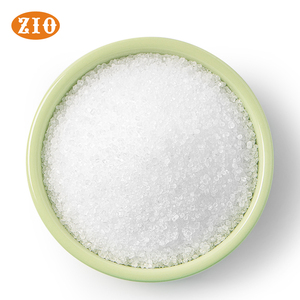
Understanding the molecular difference between Anhydrous and Monohydrate crystalline forms is vital for optimizing dosage, dissolution rate, and thermal processing in food manufacturing lines.
| Property Parameter | Citric Acid Anhydrous (E330) | Citric Acid Monohydrate (E330) | Trisodium Citrate (E331) |
|---|---|---|---|
| CAS Number | 77-92-9 | 5949-29-1 | 6132-04-3 |
| Molecular Formula | C6H8O7 | C6H8O7 · H2O | Na3C6H5O7 · 2H2O |
| Water Content (Karl Fischer) | ≤ 0.5% max | 7.5% - 8.8% | 11.0% - 13.0% |
| Assay (Dry Basis) | 99.5% - 100.5% | 99.5% - 100.5% | 99.0% - 101.0% |
| Typical Mesh Sizes | 12-40 Mesh / 30-100 Mesh | 8-12 Mesh / 12-40 Mesh | 12-40 Mesh Fine Granular |
| Primary UK Application | Dry Mixes, Effervescents, Beverage Filling | Jams, Confectionery, Sauces, Dairy | pH Buffering, Processed Cheese, RTD Teas |
London and the wider South East region house some of Europe's most innovative food incubators, craft beverage distilleries, and high-volume pharmaceutical processing facilities. Chinese-manufactured Citric Acid and preservative solutions serve targeted roles across these specific localized ecosystems:
Widely utilized by craft soda producers in East London and functional drink brands in Kent. Citric Acid Anhydrous provides a clean, sharp tartness while optimizing pH (2.8–3.2) to prevent microbial growth in aseptic cold-fill lines.
In London bakery plants, Citric Acid acts as a flavor enhancer and dough conditioner. Combined with Potassium Sorbate E202, it prevents mold growth in high-moisture loaves, crumpets, and filled pastries.
Submerged-fermentation Anhydrous grades meeting BP/USP standards are used by Surrey and Middlesex healthcare formulators in effervescent vitamin tablets, topical creams, and eco-friendly skincare lines.
Given London’s exceptionally hard water (high calcium carbonate), local commercial laundries and green detergent blenders purchase bulk Citric Acid as a biodegradable chelating agent for lime-scale removal.
Brewers in Bermondsey and across the UK use precise additions of food-grade citric acid to adjust mash pH, stabilize flavor profiles, and enhance fruit notes in sour beers and artisan ciders.
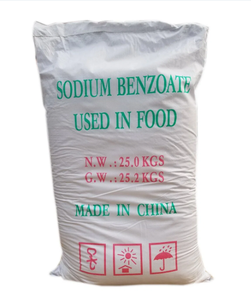
Condiment manufacturers in Essex and Greater London rely on Citric Acid E330 paired with Sodium Benzoate E211 for synergistic acidulation and preservation in ambient-stable sauces and marinades.
UK consumers increasingly scrutinize ingredient labels. Citric acid produced via natural submerged fermentation (*Aspergillus niger*) is recognized as a clean-label acidulant, aligning with UK organic standards and retailer-specific blacklists. Exporters supplying London must guarantee Non-GMO status and zero synthetic chemical residues.
The UK "Sugar Tax" forced widespread reformulations. As beverage brands reduce sugar content, balancing taste profiles becomes challenging. Citric acid, frequently blended with high-intensity natural sweeteners or synergistic polyols, masks lingering off-notes and restores mouthfeel crispness.
Following the UK's departure from the European Union, chemical and ingredient imports must strictly comply with UK REACH regulations managed by the Health and Safety Executive (HSE), alongside Food Standards Agency (FSA) compliance. Leading Chinese exporters maintain dedicated regulatory tasks forces, supplying fully validated UK REACH dossier coverage to ensure uninterrupted import continuity into Thamesport and London Gateway.
London-based corporate buyers prioritize ESG metrics. Chinese exporters utilizing bio-fermentation energy recovery systems, closed-loop water recirculation, and high-density bulk sea container loading (25kg multi-wall paper bags on heat-treated ISPM-15 pallets) offer significant life-cycle carbon savings compared to older synthetic production routes.
As an established global ingredient distributor with deep expertise in industrial supply chain management, we solve the primary pain points faced by UK buyers: lead-time uncertainty, quality variation, and documentation delays.
Every single batch undergoes rigorous HPLC and spectrophotometric assay verification before shipment. We strictly enforce heavy metal limits (Lead < 0.5 ppm, Arsenic < 1 ppm, Mercury < 0.1 ppm) exceeding British Pharmacopoeia (BP) standards.
Shipments arrive with full audit packs: Certificate of Analysis (COA), Allergen Declarations, Non-GMO Certificates, Kosher/Halal Accreditation, ISO 22000 / BRCGS Factory Audits, and UK REACH clearance papers.
Through buffer stock held near London M25 logistics hubs, we support both spot orders and long-term forward supply contracts with just-in-time (JIT) 48-hour delivery across Greater London and the Home Counties.
Our in-house R&D application specialists assist UK food technicians with solubility testing, buffer system calculations, and synergistic preservative blending (e.g., E330 paired with Epsilon-Polylysine or Potassium Sorbate).
Connect directly with our global supply team to request customized CIF/DDP quotes, sample kits, and full technical documentation for your processing line.