Specification-verified food ingredients, organic acidulants, and advanced preservative systems compliant with EU standards for Finnish food manufacturing.
The Finnish food manufacturing ecosystem operates under some of the most rigorous quality, environmental, and nutritional standards in Europe. Driven by consumer preference for high-fiber, clean-label, and plant-enriched food formulations, food processors across Finland—from industrial baking hubs in Greater Helsinki to alternative protein ventures in Tampere and Turku—require raw material inputs that deliver uncompromised functional performance. Vital Wheat Gluten (VWG) serves as an essential structural protein that dictates water binding capability, viscoelasticity, gas retention, and textural integrity across modern food applications.
This technical whitepaper outlines the chemical specifications, processing standards, and supply chain protocols established by global manufacturers exporting CE certified Vital Wheat Gluten and functional food additives to Finland. Adhering to strict European Union food contact and ingredient safety regulations (including EC 178/2002 and EC 852/2004), our supply network provides Finnish food enterprise procurement managers with verified product traceability, lot-by-lot Certificate of Analysis (COA) guarantees, and specialized formulation support.
Vital Wheat Gluten is a natural protein matrix isolated from high-quality wheat flour through gentle wet-milling and centrifugal extraction, followed by flash drying to preserve its native viscoelastic character. The molecular architecture consists of two primary protein fractions: gliadins (which contribute extensibility and fluid viscosity) and glutenins (which build cohesive elasticity and polymer networks through interchain disulfide bonds).
For industrial food production within the Finnish market, standardized specifications ensure consistent behavior in high-shear automated processing systems:
| Analytical Parameter | Standard Specification Grade | Premium Bakery / Meat Analog Grade | Testing Protocol (ISO/AOAC) |
|---|---|---|---|
| Dry Protein Content (N × 6.25) | ≥ 75.0% | ≥ 82.0% | ISO 20483 / Kjeldahl Method |
| Moisture Content | ≤ 9.0% | ≤ 8.0% | ISO 712 Gravimetric |
| Ash Content (Dry Basis) | ≤ 1.0% | ≤ 0.85% | ISO 2171 Incineration |
| Water Absorption Capacity (WAC) | ≥ 150% | ≥ 180% - 210% | Farinograph / Internal Standard |
| Particle Size (Mesh Pass Rate) | 99% pass 60 mesh | 99.5% pass 80-100 mesh | ISO 2591 Sieve Analysis |
| Devisco / Elasticity Index | Standard Elasticity | High Viscoelastic Retention | Rheometer Oscillatory Sweep |
| Heavy Metals (Pb, Cd, As) | EU Regulation Limit (EC 2023/915) | Ultra-Low Trace Residue | ICP-MS Spectrometry |
Maintaining a strict moisture threshold below 9.0% prevents microbiological activity during oceanic and Baltic sea transit to Finnish receiving ports (such as Kotka or Helsinki), ensuring full structural viability upon arrival at processing facilities.
Understanding regional dietary preferences and manufacturing realities in Finland is fundamental to optimizing ingredient utilization. Finnish food production is recognized for its heavy reliance on indigenous grains like rye and oats, alongside rapid innovation in plant-based meat substitutes and sustainable aquaculture.
Traditional Finnish rye bread (Ruisleipä) and modern high-percentage oat breads utilize grains with low intrinsic glutenin content. Incorporating 2% to 5% high-purity Vital Wheat Gluten reinforces dough elasticity, improves gas retention during fermentation, increases loaf volume, and prevents crumb collapse in continuous automated high-speed ovens.
Finland is a European hub for plant-protein innovations (e.g., meat-free sausage, vegetarian cold cuts, fibrous meat analogs). CE-certified wheat gluten acts as the primary structure-building protein in High-Moisture Extrusion Cooking (HMEC), producing realistic fibrous muscle textures, excellent bite chewiness, and high water-holding capacity during culinary preparation.
In the Baltic sea region's aquaculture sector (salmonids, rainbow trout, whitefish), hydrolyzed and vital wheat proteins function as highly digestible, water-stable binders in extruded feed pellets. Replacing fishmeal with high-protein wheat gluten reduces phosphorus runoff while supporting optimal growth rates and pellet physical integrity.
As Finnish consumers demand protein-enriched breakfast cereals, nutritional bars, and non-dairy beverages, solubilized wheat gluten derivatives provide clean-tasting fortification. They seamlessly blend without causing grit, masking flavor profiles, or destabilizing emulsion structures in shelf-stable UHT liquid products.
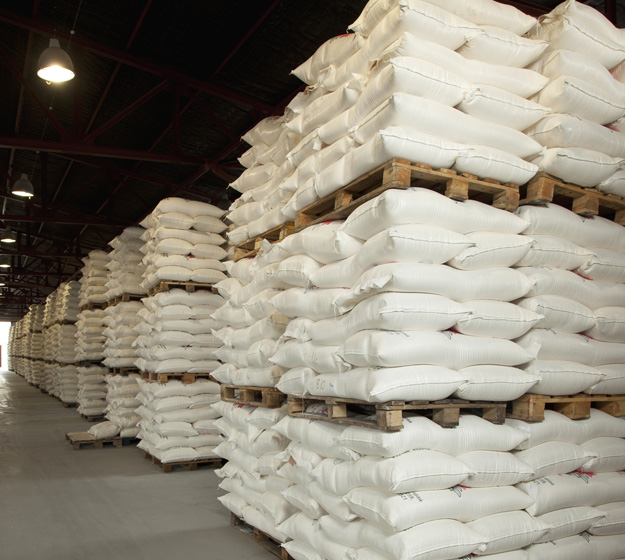
To shield Finnish manufacturers from raw material price volatility and shipping bottlenecks, our supply infrastructure integrates multi-origin producer options with strategic port staging.
Every shipment is accompanied by complete audit-ready documentation, including COAs, Allergen declarations, Non-GMO statements, and CE compliance certificates aligned with Finnish Food Authority (Ruokavirasto) requirements.
Navigating the Nordic food sector requires strict alignment with macroeconomic trends and regional legislation. Procurement teams operating within Finland encounter three critical market forces:
Finnish consumers prioritize simple, recognizable ingredients. Our wheat gluten is non-GMO project verified, zero-chemical bleached, and clear of synthetic additives, supporting front-of-pack clean label declarations across the Nordic retail market.
Full adherence to Regulation (EC) No 1829/2003 and Regulation (EC) No 1830/2003 regarding traceability. Heavy metal limits, pesticide residue screens, and mycotoxin testing (Aflatoxin, Ochratoxin A, DON) strictly comply with updated European Commission thresholds.
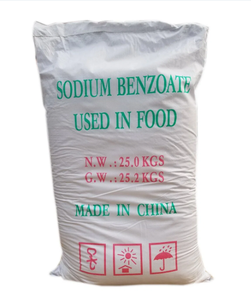
Shipping to Northern Baltic ports during winter months presents freezing risks and condensation shifts. Our multi-wall moisture-barrier paper bags (25kg net) with heat-sealed PE liners protect powder flowability against freezing ambient conditions.
Our bulk ingredient distribution model spans a full range of processing verticals. Below is an overview of the specialized sectors supported across Northern European manufacturing plants:






Selecting an ingredient partner demands transparent quality controls, stable contract pricing options, and deep technical capabilities. American International Foods, Inc. (AIFI) provides a structured sourcing architecture designed to remove procurement uncertainty:
Partner with a documented, technical ingredient leader. Contact our export desk today to request wheat gluten samples, Certificate of Analysis templates, or direct container load quotes.