Specification-verified preservatives, organic acidulants, and functional salt matrices tailored for Turkish vegetable pickling, olive curing, and dairy brining operations.
Turkey stands as a global titan in the agricultural processing sector, ranking among the top international exporters of pickled vegetables (Turşu), table olives, brined white cheeses (Beyaz Peynir), and fermented meats. The preservation of cellular integrity, textural crispness, color stability, and microbiological safety in brine-bound systems requires rigorous biochemical control. As a premier Brining and Pickling Ingredients Manufacturer & Supplier in Turkey, our organization provides industrial food processors across Izmir, Manisa, Bursa, Gemlik, Gaziantep, and Afyonkarahisar with advanced acidulants, preservatives, buffering salts, and texture firming compounds tailored to local raw material profiles and ambient storage challenges.
Technical Information Gain: Industrial brining is not merely salting; it is a controlled chemical equilibrium. Effective preservation requires balancing osmotic shock, logarithmic microbial reduction kinetics, ionic binding with pectic substances, and precise acidulation to suppress spoilage yeasts while maintaining compliance with the Turkish Food Codex (Türk Gıda Kodeksi).
The stabilization of pickled fruits and vegetables relies on controlling hydrogen ion concentration (pH), water activity ($a_w$), and oxidation-reduction potential. In traditional Turkish pickling operations, control of spoilage pathogens—such as Clostridium botulinum, Listeria monocytogenes, and oxidative film-forming yeasts (Kahm yeast)—demands a multi-hurdle conservation approach.
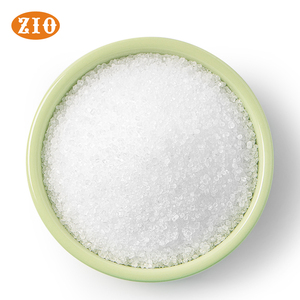
Utilizing high-purity Citric Acid Anhydrous (E330) and Sodium Acetate to rapidly lower system pH below 4.6. This protonates organic acids, allowing un-dissociated molecules to penetrate microbial cell membranes and collapse internal proton-motive forces.
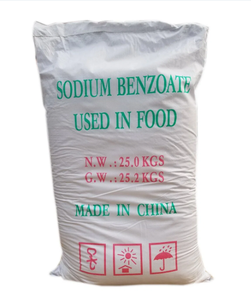
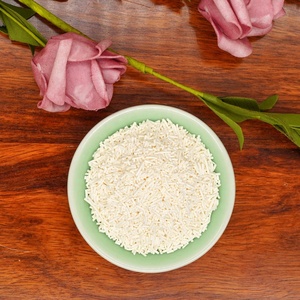
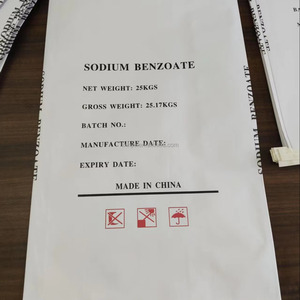
Synergistic application of Potassium Sorbate 99% Granules and Sodium Benzoate E211 to prevent surface mold and yeast propagation without imparting bitter chemical off-notes to high-acid pickling liquors.
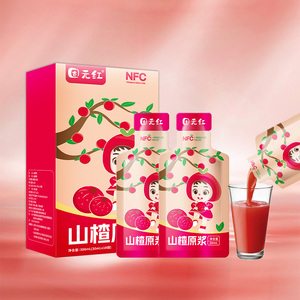
Deployment of broad-spectrum cationic antimicrobial peptides like Epsilon-PolyLysine (EPL) Hydrochloride (95%) and natural botanical extracts (Cinnamic Acid, Hawthorn Puree) to meet European clean-label export criteria.
Turkey’s varied agricultural zones present distinct processing demands. Sourcing the correct chemical inputs must be aligned with local raw fruit physiology, water hardness, and traditional recipe specifications.
Black and green table olive processing requires meticulous lye neutralization and brine stabilization. Following debittering, producers face softenings caused by endogenous polygalacturonase enzymes. Our high-purity Citric Acid Anhydrous E330 works in tandem with specialized calcium buffers to adjust acidification profiles in fermentation vats, preventing "zapatera" spoilage and hollow pocket formation in Gemlik black olives and Ayvalık green scratched olives.
The Gediz basin is Turkey’s powerhouse for pickled gherkins, peppers (Biber Turşusu), and mixed vegetables (Karışık Turşu). High ambient temperatures during harvest season accelerate microbial degradation. By incorporating granular Potassium Sorbate and Sodium Benzoate E211 into automated pasteurization and cold-pack lines, processors prevent cloudiness in brine tanks, eliminate gas-forming lactobacilli bloating, and extend product shelf-life up to 24 months for bulk sea-freight export to the EU and North America.
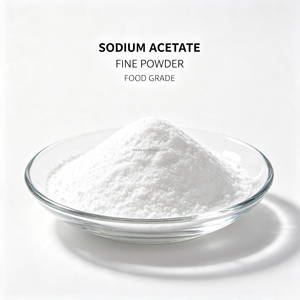
Brined cheese varieties such as Tulum and Edirne Beyaz Peyniri rely heavily on ionic balance within high-salt solutions (12% to 18% NaCl). Imbalances lead to surface mucilage formation, salt-slime defects, and structural collapse. Implementing Anhydrous Sodium Acetate acts as a mild flavor-enhancer and buffering agent, maintaining precise lactic acid equilibrium while inhibiting salt-tolerant yeast molds during cold-room aging.
Industrial production of Turkish Sucuk and Pastırma involves deep moisture extraction and bio-preservation. Integrating Cinnamic Acid Powder (CAS 140-10-3) and natural organic acid complexes delivers robust antioxidant protection against lipid oxidation, preserving red oxymyoglobin color stability while acting as a natural antimicrobial against lipolytic pathogens.
The Turkish food processing landscape is undergoing structural modernization driven by export compliance, consumer health shifts, and input-cost optimization. Manufacturers partnering with us gain access to key emerging formulation trends:
Select the optimal functional ingredient for your specific processing pH, target pathogen, and application parameters:
| Ingredient Name | CAS / E-Number | Optimal pH Range | Target Pathogens / Function | Typical Dosage Rate |
|---|---|---|---|---|
| Citric Acid Anhydrous | 77-92-9 / E330 | 2.0 – 4.5 | Thermoduric spores, oxidative degradation, pH control | 0.10% – 0.50% |
| Sodium Benzoate Granular | 532-32-1 / E211 | 2.5 – 4.5 | Yeasts, molds, gas-producing bacteria | 0.05% – 0.15% |
| Potassium Sorbate 99% | 24634-61-5 / E202 | 3.0 – 6.5 | Surface molds, film-forming yeasts, lactic acid bacteria | 0.03% – 0.20% |
| Anhydrous Sodium Acetate | 127-09-3 / E262 | 4.5 – 6.5 | Buffering, spore-formers, flavor stabilization | 0.10% – 0.40% |
| Epsilon-PolyLysine (EPL) | 28211-04-7 / Clean Label | 4.0 – 8.0 | Gram-negative & Gram-positive bacteria, yeast control | 0.005% – 0.03% |
| Cinnamic Acid Powder | 140-10-3 / Flavoring | 3.0 – 6.0 | Lipids oxidation, broad fungal inhibition | 0.01% – 0.08% |
Navigating global supply chains requires more than just low unit prices; it requires certainty, regulatory transparency, and rapid delivery. Built upon the operational disciplines of industrial food sourcing, our supply model supports high-volume manufacturing environments:
We pre-qualify mesh sizes, moisture levels, active assay percentages, and dissolution rates prior to issuing quotes. Your production line receives identical chemical specs load after load.
Every shipment arrives complete with Certificates of Analysis (COA), Technical Data Sheets (TDS), Allergen Statements, Non-GMO declarations, ISO/HACCP documentation, and recognized Halal/Kosher certifications aligned with the Turkish Food Codex.
We maintain reserve inventory positions and strategic logistics agreements to shield your plant from raw material price surges, container delays, and regional crop shortfalls.
Our bench technical team assists QA leads in replacing high-cost preservatives, lowering sodium levels, or removing synthetic additive E-numbers to unlock clean-label export markets.
From 25kg moisture-proof bags and fiber drums to 1000kg super-sacks and full container loads (FCL), we support flexible delivery schedules directly to port or factory door in Turkey.
Procurement heads receive curated market updates tracking global precursor chemicals, organic acid pricing trends, and ocean freight indices to optimize procurement timing.
Expert guidance on regulatory compliance, logistics, storage, and application engineering for brining chemicals in Turkey.
Request batch sample kits, technical documentation, or customized pricing for your manufacturing plant in Turkey. Our ingredient specialists are ready to review your specification requirements.