
An authoritative technical brief for R&D Directors, Procurement Managers, and Food Scientists sourcing bulk industrial flavoring ingredients, carrier matrices, thermal-stable flavor systems, and natural taste-masking compounds for high-speed commercial production lines.
In high-throughput food, beverage, and nutritional manufacturing, Industrial Flavoring Ingredients represent one of the most chemically sensitive and economically impactful raw material categories. Unlike bulk commodities, flavoring ingredients operate at minute inclusion rates (often between 0.01% and 0.5% of total formula weight) while wielding absolute control over product identity, consumer sensory acceptance, and brand consistency.
Commercial-scale flavor integration requires far more than matching a target aroma profile. Procurement and R&D teams must balance organic solvent interactions, volatility under thermal stress, moisture migration, carrier matrix compatibility, shelf-life oxidation kinetics, and strict international regulatory frameworks (including FEMA GRAS, EFSA, and FDA CFR 21 guidelines).
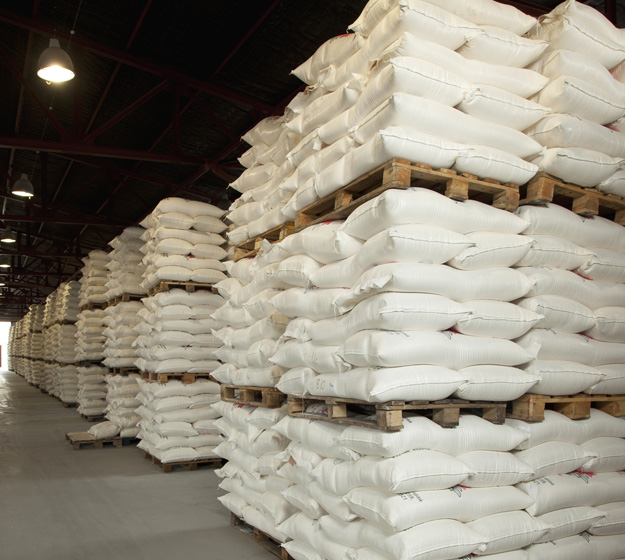
Selecting the optimal industrial flavoring ingredient requires aligning active aromatic chemicals with the correct delivery vehicle. The table below outlines core flavor ingredient categories, functional carriers, processing thresholds, and target commercial applications.
| Ingredient Category | Carrier / Matrix Type | Physical Form | Processing Thresholds | Primary Industrial Applications |
|---|---|---|---|---|
| Natural Essential Oils & Oleoresins | Cold-pressed / Solvent-extracted botanicals | Viscous Liquid / Oil-Soluble | Flashpoint dependent; best added post-thermal process or in sealed oil phases. | Confectionery, snack food seasonings, meat processing marinades, craft beverage oils. |
| Spray-Dried Flavor Powders | Maltodextrin, Acacia Gum, Modified Food Starch | Free-Flowing Powder | Stable up to 380°F (193°C); low moisture activity prevents caking in dry mixes. | Bakery dry mixes, powdered beverages, nutraceutical protein powders, seasonings. |
| Microencapsulated Heat-Stable Flavors | Cross-linked hydrocolloids, Glass phase carbohydrate matrix | Granular / Encapsulated micro-beads | Sustains extreme thermal processing (>420°F / 215°C) and high-shear extrusion without flash-off. | Commercial high-heat baking, extruded cereals, pet foods, hard candies, thermal processing. |
| Reaction & Process Flavors | Thermal Maillard precursor matrices (amino acids + reducing sugars) | Liquid Paste / Powder | Pre-reacted or heat-activated during baking/cooking cycles. | Savory gravies, plant-based meat analogues, processed meats, thermal soups, savory snacks. |
| Taste Modifiers & Masking Systems | Propylene Glycol, Triacetin, or Maltodextrin carriers | Liquid / Water-Soluble Powder | pH stable (pH 2.5–8.0); active across high and low heat processing. | Plant protein drinks, functional vitamins, high-potency sweetener systems, high-fiber foods. |
| Organic Certified Extract Concentrates | Organic Ethyl Alcohol, Water, Organic Glycerin | Liquid Concentrate | Standard pasteurization temperature tolerant; sensitive to prolonged open boil. | Clean-label organic beverages, organic ice creams, dairy products, organic confectionery. |
A primary cause of flavor decay, separation, or "off-note flash-off" in commercial manufacturing stems from mismatched carrier solvency. Liquid industrial flavoring ingredients rely on precise solvent matrices to keep volatile aromatic molecules in stable homogeneous suspension:
Our formulation specialists work directly with your R&D bench to match carrier solvent flashpoints with your plant’s thermal processing curve.
From high-speed bakery ovens to continuous aseptic beverage lines, our industrial flavoring ingredients are engineered to perform under real-world processing stresses—pH shifts, shear, pressure, and shelf-life demands.







The industrial flavoring landscape is undergoing a structural transition driven by advancements in bio-fermentation, consumer demands for clean labels, and intense supply chain volatility in traditional growing regions.
Global production is shifting away from resource-intensive agricultural extraction toward precision fermentation. Microorganisms engineered to synthesize target aromatic molecules (such as vanillin, valencene, and patchoulol) provide 99%+ chemical purity, immunity from climate disruptions, and a consistent cost structure for high-volume manufacturing.
As pea, fava bean, precision-fermented dairy, and algae-derived proteins scale up, masking off-notes (beany, earthy, sulfurous, bitter) has become a primary formulation hurdle. Modern industrial flavoring ingredients leverage receptor-blocking technology to neutralize bitterness without increasing sugar or sodium levels.
Sustainability mandates are driving the commercialization of flavor ingredients derived from agricultural side-streams. Citrus peel waste, spent coffee grounds, and fruit pomace are converted via eco-friendly enzymatic hydrolysis into high-value natural aromatic extracts and Maillard precursors.
Procurement teams are moving away from traditional spot-market purchasing toward structured long-term supply agreements for key aromatic raw materials. Major structural trends include:
Six core operational capabilities engineered to take the risk and delay out of industrial ingredient sourcing.
Consolidate hundreds of flavor compounds, carriers, and functional food ingredients into a single streamlined supply contract. Our sourcing desk manages producer audits, quality verifications, and release schedules so your buyers handle fewer purchase orders and zero administrative bottlenecks.
One accountable point of contact. Guaranteed specification matching. Transparent landed cost pricing.
Supply Chain Solutions ›Protect plant operations against raw material outages. We maintain strategic forward inventory positions across nationwide regional warehouses, supporting both Full Truckload (FTL) and Less-Than-Truckload (LTL) shipments under just-in-time (JIT) delivery schedules.
Multi-origin producer approvals ensure continuous supply even when global botanical harvests fluctuate.
Warehouse Locations ›Quality and regulatory teams never wait on paperwork. Every industrial flavoring shipment is backed by comprehensive, lot-specific documentation packages delivered prior to arrival.
Includes COAs, FEMA GRAS statements, Allergen disclosures, Safety Data Sheets (SDS), Kosher, Halal, Non-GMO, and Organic certificates.
Document Requests ›Make data-backed purchasing decisions. Our commercial trade desk monitors raw botanical harvests, chemical precursor availability, energy surcharges, and global freight trends to provide weekly market updates.
Time your forward contracts to lock in favorable pricing before market spikes occur.
View Weekly Market Report ›Accelerate your bench work. We source and supply new-to-market flavor compounds, natural extracts, and next-generation sensory modifiers, offering bench-scale sample quantities for immediate evaluation.
Access our portfolio of 2,500+ food ingredients to find novel flavor building blocks for your product pipeline.
Explore R&D Support ›Reformulating for cost optimization, clean-label compliance, or flavor matching? Our technical specialists assist in evaluating functional equivalents, adjusting usage rates, and solving complex matrix solubility issues.
Hands-on application guidance tailored to your specific processing temperature, shear, and pH environment.
Formulation Support ›We bridge the gap between complex chemical supply chains and commercial plant reality, serving buyers, quality teams, and product developers with equal rigor.
Transparent tier-volume pricing, forward contract coverage up to 12 months, multi-origin redundancy, and proactive lead-time alerts that protect production budgets from market volatility.
100% lot traceability, audited primary manufacturers, strict adherence to FSMA 204 requirements, and comprehensive document packs verified before freight dispatch.
Rapid bench samples, technical solvency data, carrier customization, heat-stability guidance, and access to over 2,500 complementary raw ingredients for total formula optimization.
Access technical specifications, usage guidelines, and bulk pricing across our comprehensive commercial ingredient lines.
Technical and procurement responses to common questions asked by industrial buyers and food scientists.
Ready to evaluate samples, request technical specification sheets, or lock in contract volume pricing for your processing lines? Connect directly with our technical sourcing team.