
Explore our comprehensive portfolio of high-purity preservatives, acidulants, and natural stabilizing solutions designed for commercial food, beverage, pharmaceutical, and personal care formulations.
As a global chemical manufacturer and specialized ingredient distributor, our operations are specifically structured around production realities: strict technical specifications, fluctuating commodity markets, and zero-tolerance delivery windows. We bridge global synthetic capacity with North American and European quality standards.
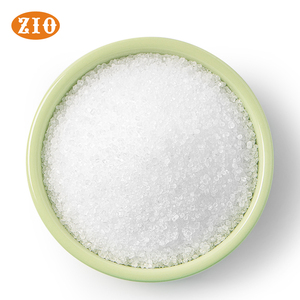
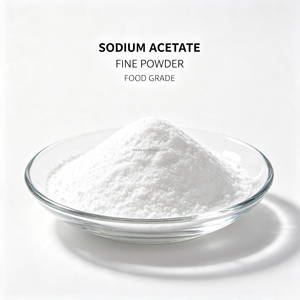
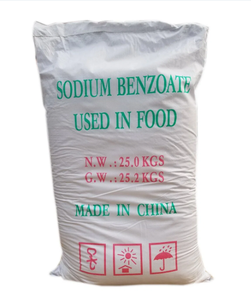
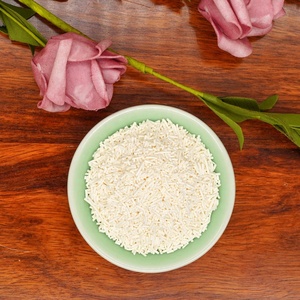
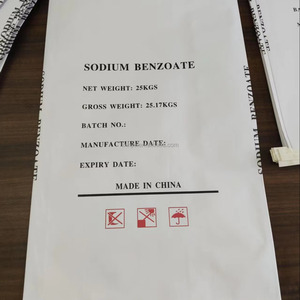
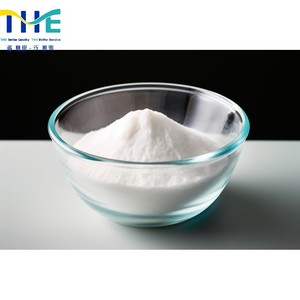
Every bulk lot of Sodium Benzoate (E211) and auxiliary acidulants is pre-screened for exact physical morphology. We evaluate dust-free extruded granules versus dense powders, particle mesh, moisture content (<1.5%), heavy metal contamination (<10 ppm), and dissolution kinetics before finalizing procurement contracts.
Quality and regulatory teams receive comprehensive document packets prior to shipment off-loading. Full batch Certificates of Analysis (COA), Safety Data Sheets (SDS), allergen statements, non-GMO verifications, and active Kosher and Halal credentials accompany every pallet.
Our formulation desk assists industrial food scientists and personal care chemists in evaluating pH-dependent dissociation curves. We provide practical guidance on synergistic hurdle concepts, combining Sodium Benzoate with Potassium Sorbate or Epsilon-Polylysine to lower total sodium burden.
Sodium Benzoate (C7H5NaO2) is the sodium salt of benzoic acid, synthesized via the neutralisation of benzoic acid with sodium hydroxide or sodium carbonate. As one of the world's most widely specified antimicrobial preservatives (E211), its efficacy centers on its conversion to lipophilic undissociated benzoic acid in aqueous systems with acidic pH levels.
The biological activity of Sodium Benzoate is strongly pH-dependent. When introduced into aqueous media below pH 4.5, the chemical equilibrium shifts toward undissociated benzoic acid (pKa = 4.19). Undissociated benzoic acid readily permeates the lipophilic cell membranes of spoilage yeasts, molds, and select bacteria. Once inside the neutral intracellular environment of the microorganism, the acid dissociates, releasing protons ($H^+$) and reducing cellular pH. This forces the microbe to expend energetic ATP resources to pump out protons, ultimately disrupting cell respiration, inhibiting key glycolytic enzymes (such as phosphofructokinase), and inducing cell death.
| Analytical Parameter | FCC / USP Standard Grade | High Purity Granular Grade | Test Method Protocol |
|---|---|---|---|
| Assay (Dry Basis) | 99.0% – 100.5% | 99.5% – 100.5% | Titrimetric Verification |
| Loss on Drying | ≤ 1.5% | ≤ 0.5% | 105°C Drying for 4 Hours |
| Heavy Metals (as Pb) | ≤ 10 ppm | ≤ 5 ppm | ICP-OES Spectroscopy |
| Arsenic (As) | ≤ 3 ppm | ≤ 1 ppm | AAS Analysis |
| Solubility in Water | ~550 g/L at 20°C | ~630 g/L at 20°C (Granular) | Gravimetric Solubility Test |
| Phthalic Acid Content | Passes Standard Test | Passes Ultra-Pure Test | HPLC Chromatography |
Global beverage bottlers and automated industrial compounders increasingly mandate spherical extruded or noodle-type micro-granules over traditional dense powders. Micro-granules dramatically reduce atmospheric dust hazards in high-speed manufacturing facilities, mitigating explosion hazards associated with combustible organic dust clouds. Furthermore, granular forms prevent bridging and caking in automatic bulk bag unloaders, exhibiting superior free-flowing dynamics and faster dissolution rates in cold blending tanks.
Strategic chemical procurement teams face shifting regulatory landscapes, environmental compliance mandates, and volatile petrochemical feedstock costs. Navigating the global market for Sodium Benzoate and complementary preservatives requires understanding four primary structural shifts:
Traditional benzoic acid production relies on the liquid-phase oxidation of toluene derived from crude oil refining. Tier-1 global exporters are transitioning toward zero-emission catalytic oxidation lines utilizing green oxygen gas and recycled catalyst beds. Procurement teams are placing greater weight on ESG audit scores, preferring chemical facilities that capture off-gases and lower carbon intensity per metric ton of produced E211.
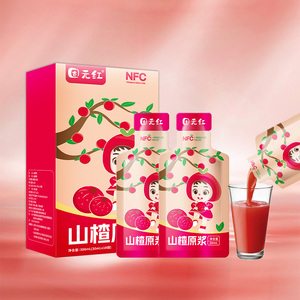
Regulatory pressure to reduce overall sodium levels in processed foods has driven the adoption of multi-component preservative matrixes. Rather than utilizing Sodium Benzoate at maximum legal limits (typically 0.1% in beverages), advanced formulations combine sub-threshold concentrations of Sodium Benzoate with Potassium Sorbate, Natural Hawthorn Fruit Extract, or Epsilon-Polylysine (EPL). This multi-target antimicrobial approach disrupts cellular transport across multiple pathways while preserving neutral flavor profiles.
Recent ocean freight dislocations and localized raw material shortages have proven the fragility of single-region supply chains. Leading multinational food and pharmaceutical brands are standardizing on multi-hub distribution models—maintaining safety stocks across decentralized warehouse networks (such as 48-state U.S. coverage) combined with forward contract hedging to neutralize chemical spot market spikes.
While consumer demand for clean-label solutions remains high, synthetic preservatives remain indispensable for high-risk, ambient-stable liquid products. The emerging compromise involves hybrid preservation strategy: using natural organic acids or botanical antimicrobial agents (such as Cinnamic Acid or Hawthorn Puree) as primary barriers, stabilized by low-dosage high-purity E211 to ensure 24-month guaranteed shelf life under variable ambient temperatures.
The application profile of Sodium Benzoate spans multiple high-growth manufacturing sectors, each requiring tailored chemical purity, packaging formats, and technical documentation.
Sodium Benzoate is the primary preservative for acid-based soft drinks, fruit juices, flavored syrups, and energy drinks. In systems stabilized with Citric Acid or Malic Acid (pH 2.5–3.8), E211 completely inhibits yeast fermentation and acid-tolerant bacterial spoilage. Modern low-sulfur grades eliminate chemical off-odors, preserving delicate fruit aromatics.
In liquid cough syrups, pediatric suspensions, and topical solutions, USP/Ph. Eur. grade Sodium Benzoate serves as a microbial safety barrier. Strict control over phthalic acid impurities, heavy metals, and bacterial endotoxins is required to meet modern pharmacopeial monograph standards.
In rinse-off and leave-on personal care products—such as shampoos, body washes, and facial cleansers operating at pH < 5.0—Sodium Benzoate provides an effective non-paraben preservative alternative. It effectively prevents bacterial contamination without causing dermal sensitization.
A critical consideration for beverage developers is avoiding trace benzene formation, which can occur when Benzoic Acid reacts with Ascorbic Acid (Vitamin C) in the presence of transition metal ions (such as $Cu^{2+}$ or $Fe^{3+}$) and ultraviolet light exposure.
To eliminate benzene generation risks, modern formulation protocols integrate chelating agents like Disodium EDTA or Citric Acid to sequester trace metals, employ light-blocking amber packaging, and utilize exact stoichiometric ratios of Potassium Sorbate to lower required Benzoate levels. Our technical service team provides formulation testing to ensure compliance with FDA guidelines (< 5 ppb benzene limit for drinking water).
Detailed technical and commercial answers curated by our chemical sourcing specialists to streamline your supplier qualification and audit workflow.