Technical-Grade Food Additives Engineered for Optimal pH Control, Crispness, and Microbial Stability
In modern industrial food manufacturing, pickle brine is far more than a simple mixture of water, salt, and vinegar. It is a highly engineered, multifunctional chemical environment that dictates microbial stability, crispness retention, flavor elution, and shelf-life predictability. Whether producing pasteurized refrigerated pickles, shelf-stable acidified cucumbers, fermented olives, or pickled vegetables, commercial processors rely on top pickle brines manufacturers to provide raw chemical components that adhere to stringent purity, solubility, and functional standards.
The core objective of industrial brining is twofold: controlled osmotic displacement and targeted acidification. When raw cucumbers or vegetables are immersed in a brine solution, water inside the plant tissues is drawn outward while salt (sodium chloride), acidulants, and bioactive antimicrobial compounds diffuse inward. Maintaining accurate equilibrium osmotic pressure prevents cell tissue collapse while creating an environment hostile to pathogenic and spoilage microorganisms, such as Clostridium botulinum, yeasts, and molds.
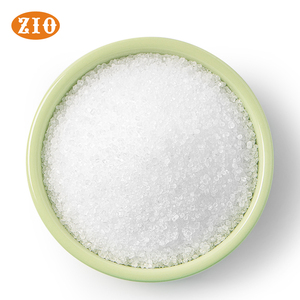
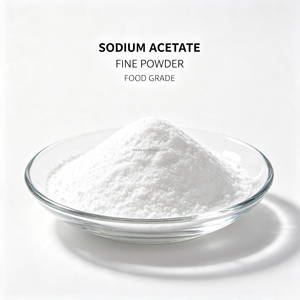
Utilizing high-purity Citric Acid Anhydrous (E330) and Sodium Acetate allows exact control over pH thresholds (<4.6 for acidified foods), ensuring compliance with FDA 21 CFR 114 while optimizing sour flavor notes.
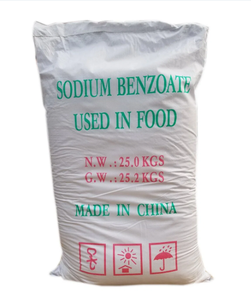
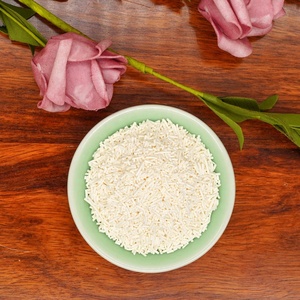
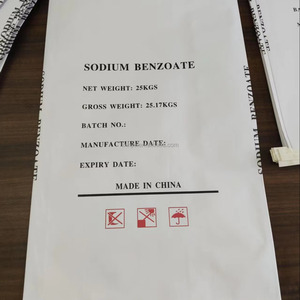
Synergistic pairing of Sodium Benzoate (E211) and Potassium Sorbate prevents mold bloat and yeast fermentation in non-pasteurized commercial distribution networks.
Advanced bio-preservatives such as Epsilon-PolyLysine (EPL) Hydrochloride and botanical extracts offer robust antimicrobial protection while satisfying consumer demands for clean ingredients.
Choosing the right chemical inputs for pickle brine formulations requires a detailed understanding of CAS registry numbers, functional mechanisms, solubility profiles, and regulatory limits. Below is a detailed breakdown of core ingredients supplied by leading industrial pickle brine manufacturing partners:
| Ingredient Name | CAS / E-Number | Primary Technical Function | Typical Industrial Dosage | Solubility & Handling |
|---|---|---|---|---|
| Citric Acid Anhydrous | CAS 77-92-9 / E330 | Acidulant, pH Reducer, Chelating Agent | 0.1% – 0.5% w/w | Highly soluble in water (162 g/100 mL at 25°C); prevents discoloration. |
| Sodium Acetate Anhydrous | CAS 127-09-3 / E262 | pH Buffering Agent, Flavor Enhancer | 0.05% – 0.3% w/w | Rapid dissolution; buffers acetic acid sharpness in high-acid brines. |
| Sodium Benzoate (Granular/Powder) | CAS 532-32-1 / E211 | Antifungal, Antimicrobial Preservative | 0.05% – 0.1% max (FDA limit) | Most effective below pH 4.5; target for acidic brine preserving. |
| Potassium Sorbate | CAS 24634-61-5 / E202 | Yeast & Mold Inhibitor | 0.03% – 0.12% w/w | High solubility; works synergistically with sodium benzoate. |
| Epsilon-PolyLysine (EPL) HCl | CAS 28211-04-3 | Natural Bio-preservative, Broad Spectrum | 10 – 50 ppm (0.001% - 0.005%) | Heat-stable, water-soluble peptide; ideal for clean-label brines. |
| Cinnamic Acid Powder | CAS 140-10-3 | Natural Antioxidant, Flavor Fixative | 0.01% – 0.05% w/w | Slightly soluble in cold water; dissolves easily in warm organic acids. |
As consumer preferences shift toward natural food preservation, lower sodium intake, and sustainable sourcing, pickle brine manufacturers and commercial food brands are revamping their ingredient pipelines. Industrial buyers must align their procurement strategies with four key macro trends:
Traditional synthetic preservatives like sodium benzoate are increasingly supplemented or replaced by biological antimicrobial peptides such as Epsilon-PolyLysine (EPL) and bacteriocins. These natural peptides target cell membranes of spoilage bacteria without affecting the crispness or organoleptic profile of the pickled vegetable.
Rather than relying solely on high concentrations of synthetic vinegar (acetic acid), food scientists are incorporating Citric Acid Anhydrous E330 and organic fruit-derived purees (e.g., Hawthorn puree) to create complex sour profiles while maintaining clear labels and organic compliance.
Global health initiatives urging sodium reduction are pushing pickle factories to reformulate brines. Potassium chloride and functional buffer salts like Anhydrous Sodium Acetate are utilized to maintain ionic strength and osmotic pressure while reducing sodium levels by up to 30% without softening plant tissues.
Procurement teams are prioritizing supply partners capable of offering multi-origin redundancy, lot-level traceability, and pre-audited regulatory documentation to mitigate global supply chain disruptions.
As a premier food ingredient supplier and bulk distributor serving top pickle factories and beverage processors across North America and global markets, our infrastructure is built to solve modern manufacturing challenges.
Every shipment of Citric Acid, Sodium Benzoate, or Potassium Sorbate undergoes rigorous laboratory analysis. We match particle mesh size, purity percentage, moisture level, and heavy metal counts directly to your production line specifications before a order is confirmed.
Quality and regulatory teams never face delays. All shipments arrive with comprehensive certificates of analysis (COA), product specification sheets, Safety Data Sheets (SDS), allergen statements, non-GMO verifications, and Kosher/Halal certifications.
Through our strategically placed warehouse network across 48 states, we offer flexible delivery models including Full Truckload (FTL), Less-Than-Truckload (LTL), and emergency safety stock positioning to guarantee your processing lines never pause.
Raw chemical markets fluctuate based on energy costs and agricultural yields. Our sourcing desk provides clients with weekly market intelligence reports, empowering procurement managers to time forward-contracts and mitigate cost volatility.
Connect with our senior technical specialists to request product specifications, COAs, sample kits, or customized high-volume contract pricing.