
High-purity chemical additives, natural bio-preservatives, and functional extract solutions engineered for high-throughput food, beverage, and confectionery processing lines.
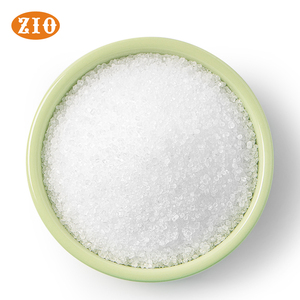
Ultra-pure organic acidulant and buffering agent designed for precise pH control, enzymatic stabilization, and shelf-life extension across beverage and malt-based formulations.
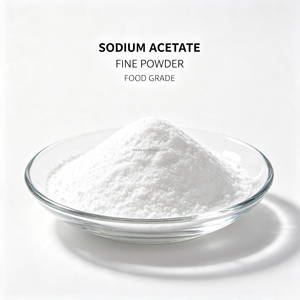
Food-grade buffering agent and anti-microbial preservative offering reliable control against bacterial growth without altering finished product flavor profiles.
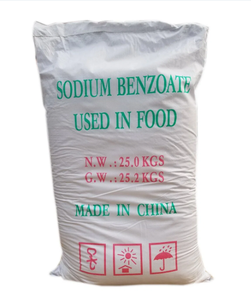
Industry-standard fungistatic agent designed to inhibit yeast and mold proliferation in acidic food products, soft drinks, and liquid malt extracts.
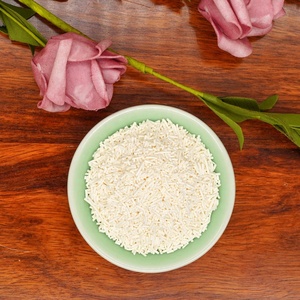
Highly soluble, granular antimycotic preservative ideal for high-moisture bakery products, malted confectioneries, and processed cheese applications.
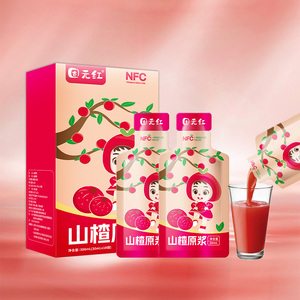
Clean-label fruit puree additive rich in natural bioflavonoids and organic acids, acting as a functional flavor enhancer and natural botanical preservative.
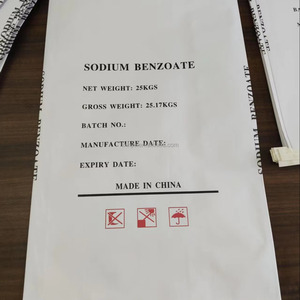
Kosher & Halal certified white granular sodium benzoate offering low-dust handling and rapid dissolution characteristics for large-scale beverage manufacturing.
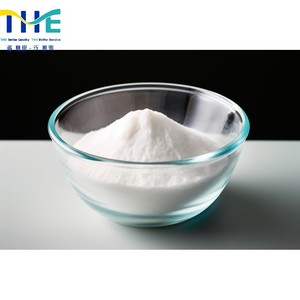
Multifunctional phenolic antioxidant and antimicrobial agent utilized for specialized food protection, lipid oxidation control, and aromatic profiling.
Next-generation, bio-fermented biopolymer preservative providing broad-spectrum inhibition against Gram-positive and Gram-negative bacteria in clean-label formulations.
In modern industrial food and beverage production, Malt Extract represents far more than a simple natural sweetener or browning agent. It serves as a foundational functional matrix delivering fermentable carbohydrates, essential amino acids, bioactive enzymes, natural colorants (via controlled Maillard reactions), and characteristic malty aromatics. Global procurement teams faced with fluctuating cereal grain yields, tight microbial tolerances, and strict clean-label mandates must evaluate malt extract suppliers through a rigorous technical lens that encompasses raw grain selection, enzymatic control during mashing, evaporation thermodynamics, and bio-preservative compatibility.
Malt extracts are produced through the carefully regulated aqueous extraction of germinated cereal grains—primarily high-grade two-row or six-row barley (Hordeum vulgare). The process involves precise steeping, germination, kilning, mashing (where endogenous alpha- and beta-amylases hydrolyze insoluble starches into fermentable maltose, maltotriose, and dextrins), clarification, and vacuum evaporation. Industrial buyers must distinguish between Liquid Malt Extract (LME)—typically supplied at 78–82° Brix—and Dry Malt Extract (DME)—hygroscopic spray-dried or band-dried powders containing <4.5% moisture.
Key Procurement Insight: Achieving batch-to-batch consistency in high-speed bakery and brewing plants requires specifying strict limits on Diastatic Power (°Lintner), Dextrose Equivalent (DE), fermentability ratios, and color index (EBC or Lovibond), alongside robust micro-preservation strategies.
Diastatic malt extracts retain active amylolytic enzymes ($\alpha$- and $\beta$-amylases) critical for starch conversion in bread doughs, whereas non-diastatic variants undergo thermal enzyme inactivation to deliver pure sweetness, color, and body.
As consumer preference shifts away from high-fructose corn syrup (HFCS) and synthetic colorants, malt extract provides a multi-functional replacement providing natural flavor, crust color, and fermentable sugars.
Integrating high-purity organic acidulants (such as Citric Acid E330 and Sodium Acetate) or bio-fermented poly-lysine (EPL) protects liquid extract matrices against osmophilic yeasts and spore-forming bacteria during bulk storage.
American International Foods, Inc. (AIFI) operates as an industrial ingredient distributor built for production reality: tight specifications, dynamic raw material markets, and delivery schedules that cannot slip. Serving food, beverage, and nutritional manufacturers across all 48 contiguous US states, AIFI manages a portfolio of over 2,500 conventional, organic, non-GMO, and gluten-free ingredients backed by multi-origin producer auditing and full lot-traceability protocols.
When procuring bulk malt extracts and companion technical additives (such as high-purity preservatives, pH regulators, and natural antioxidants), enterprise buyers require absolute supply continuity. AIFI addresses supply chain vulnerability through six operational pillars:
A network of strategically located regional warehouses facilitates rapid LTL and full truckload shipments, eliminating plant downtime and reducing inventory carrying costs for high-volume processors.
Every ingredient batch is shipped with complete documentation: Certificates of Analysis (COA), full technical specification sheets, allergen profiles, nutritional breakdowns, and Kosher/Halal/Organic verifications.
In-house food technologists work directly with customer bench teams to test functional alternatives, optimize usage levels, evaluate clean-label substitutions, and solve texture or stability challenges.
Quantitative physical, chemical, and functional parameters for industrial grade selection.
| Ingredient Category | Physical Form | Key Functional Parameter | pH Range (10% sol) | Primary Industrial Applications | Regulatory / Clean Label Status |
|---|---|---|---|---|---|
| Diastatic Malt Extract | Viscous Liquid (78-82° Brix) / Powder | Amylase Activity: 20-60 °Lintner | 5.0 – 5.8 | Artisan Bread, Fermented Doughs, Crackers | 100% Natural, Whole Grain Derived |
| Non-Diastatic Malt Extract | Viscous Liquid / Band-Dried Powder | Color: 20-400 EBC; High Maltose | 4.8 – 5.6 | Confectionery, Cereals, Cereal Drinks, Beer | GRAS, Clean Label Sweetener |
| Citric Acid Anhydrous E330 | Crystalline Granules / Fine Powder | Assay: 99.5 – 100.5% | 1.5 – 2.0 | Acidulant, Flavor Enhancer, Chelating Agent | Natural Identical / Bio-fermented |
| Sodium Benzoate (E211) | Free-flowing Granules / Powder | Purity: ≥ 99.0% | 7.0 – 8.5 | Fungistatic, Liquid Syrups, Carbonated Drinks | FDA Approved Food Preservative |
| Potassium Sorbate (E202) | Extruded Spherical Granules | Assay: 99.0 – 101.0% | 8.5 – 10.5 | Antimycotic in Bakery, Cheese, Syrups | Widely Accepted Global Preservative |
| Epsilon-PolyLysine (EPL) | Off-white Hygroscopic Powder | Active EPL Content: ≥ 95% | 5.0 – 8.0 | Natural Bio-preservative for Cooked Rice/Bakery | Clean-Label Bio-fermented Polymer |
The global malt extract market is undergoing structural shifts driven by evolving consumer diets, environmental volatility affecting barley grain composition, and rapid advancements in processing technology. Industrial buyers who anticipate these macro trends can secure long-term commercial and technical advantages.
While traditional two-row malted barley remains the industry standard, procurement demand is surging for non-GMO, organic certified, and ancient grain malt extracts (including wheat malt, rye malt, and oat malt). These specialized extracts enable brand owners to construct compelling clean-label narratives while adding distinct flavor complexity, unique protein-foam characteristics, and tailored viscosity profiles in plant-based milks and premium baked goods.
Advanced malt extract manufacturers are deploying multi-stage falling film evaporators integrated with Mechanical Vapor Recompression (MVR) technology. This thermal precision prevents unwanted thermal degradation, minimizes hydroxymethylfurfural (HMF) formation, and yields lighter-colored extracts with preserve-on-demand enzyme profiles. Buyers are increasingly auditing supplier energy intensity metrics as part of corporate Scope 3 carbon reduction programs.
As regulatory scrutiny over synthetic chemical preservatives tightens in major global markets, industrial formulators are combining low-dose conventional preservatives (like Potassium Sorbate) with natural biopolymers like Epsilon-PolyLysine (EPL) and organic acid buffers. This hurdle technology approach preserves liquid malt extracts against osmophilic spoilage while maintaining clean, consumer-friendly ingredient decks.
Continuous technological refinement in mashing kinetics and filtration equipment has enabled extract suppliers to offer custom-tailored sugar profiles. By altering mashing rest temperatures (e.g., optimizing $\beta$-amylase rests at 62°C versus $\alpha$-amylase rests at 70°C), manufacturers can precisely engineer the fermentability ratio of the resulting syrup:
Expert technical answers addressing key parameters, shelf stability, and supply chain protocols.
Connect directly with our senior sourcing specialists to request custom technical quotes, Certificate of Analysis samples, or dedicated bench formulation support.