
Direct factory sourcing for food grade, Kosher, Halal, ISO, and HACCP certified functional ingredients. Spec-verified quality for commercial food processing, beverage synthesis, and industrial formulation.
The global food processing sector is experiencing an unprecedented structural shift. Consumer demand for clean-label ingredients, organic shelf-life extenders, and bio-based flavor enhancers has forced major multinational brands to overhaul traditional preservation systems. As food scientists phase out synthetic chemical antioxidants, Chinese chemical and biological manufacturers have emerged as essential anchor suppliers in global supply chains.
China's industrial capacity in organic acid fermentation, botanical extraction (such as Hawthorn fruit puree and cinnamic derivatives), and biological polymer fermentation (such as Epsilon-PolyLysine / EPL) provides unmatched production scale, regulatory traceability, and cost efficiency. Global buyers sourcing from top China natural flavor manufacturers gain strategic access to integrated supply chains that comply strictly with US FDA FCC standards, EU Food Additive Directives (E-numbers like E330, E211, E202), Kosher, Halal, and ISO 22000 risk controls.
| Functional Category | Primary Ingredients | Mechanism of Action | Target Application Sectors | Regulatory Class |
|---|---|---|---|---|
| Acidulants & Acidic Flavors | Citric Acid Anhydrous (E330) | pH Reduction, Chelating, Tart Flavoring | Beverages, Confectionery, Jams | GRAS / FCC / E330 |
| Biological Antimicrobials | ε-PolyLysine HCl (EPL 95%) | Cell Membrane Disruption | Cooked Meat, Rice Cakes, Dairy | GRAS / Natural Ferment |
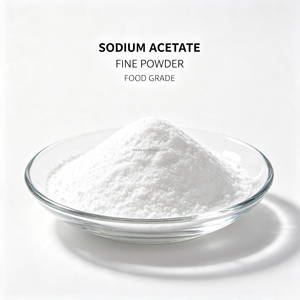
| Organic Acid Salts | Potassium Sorbate, Sodium Acetate | Enzyme Inhibition, Mold Suppression | Bakery, Cheese, Sauce & Dressing | FCC / Kosher / Halal |
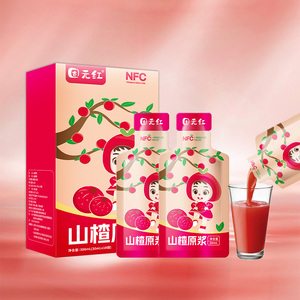
| Botanical Preservatives | Hawthorn Puree, Cinnamic Acid | Polyphenolic Antioxidant & Flavoring | Beverage Syrups, Snacks, Pickling | 100% Natural Extract |
Navigating the volatile food ingredient market requires procurement directors and R&D managers to anticipate market dynamics, technical bottlenecks, and regulatory changes. Based on global trade data and technical formulation trends, several key factors are reshaping how international buyers contract natural flavors and bio-preservatives from Chinese manufacturing hubs:
Modern food formulation relies on "Hurdle Technology"—combining multiple low-dose preservation mechanisms rather than relying on heavy chemical loading. Manufacturers are coupling organic acid buffers (Anhydrous Sodium Acetate) with naturally fermented peptides (ε-PolyLysine) and natural fruit acids. This dual approach inhibits spore-forming bacteria and molds while optimizing sensory taste profiles.
Under the FDA’s Food Safety Modernization Act (FSMA) Section 204 and EU strict import guidelines, enterprise buyers no longer evaluate vendors solely on FOB price. Procurement contracts are won by Chinese suppliers offering full lot-specific analytical documentation: heavy metal screening (Pb, As, Cd, Hg), microbiological counts, pesticide residue limits, and non-GMO origin guarantees prior to vessel departure.
Volatile natural flavor molecules (such as Cinnamic Acid derivatives or citrus flavor fractions) suffer degradation under high-temperature extrusion or aseptic thermal pasteurization. Advanced Chinese manufacturers are rapidly adopting spray-drying microencapsulation using customized starch matrices. This ensures controlled release during consumption while extending total shelf life by 30% to 50%.
The technical boundary between "flavoring" and "preservation" is blending. Ingredients like Citric Acid Anhydrous E330 act both as a sharp acidity regulator and a potent chelating antioxidant that prevents color degradation in juice formulations. Similarly, biological fermentates like Epsilon-PolyLysine (EPL) deliver broad-spectrum antimicrobial action against Gram-positive and Gram-negative bacteria without masking subtle aromatic notes.
As a specialized supply partner consolidating global sourcing, technical R&D, and regulatory verification, we turn ingredient procurement from an operational headache into a competitive edge.
Every shipment is backed by lot-specific Certificates of Analysis (COA), Allergen Statements, GMO declarations, Kosher/Halal certificates, and ISO 22000 verification so your quality teams can pass audits without delay.
Through strategic warehousing network routing across contiguous states and global hubs, we hedge against crop shortages, port congestion, and shipping price volatility with forward contracting options.
Our in-house R&D and food engineering desk helps bench scientists evaluate clean-label substitutions, adjust pH buffers, and run MIC (Minimum Inhibitory Concentration) trial tests with sample support.
Our comprehensive portfolio of natural flavor bases, buffers, and active bio-preservatives is calibrated for challenging operational environments—high thermal processing, low pH levels, high moisture activity, and extended cold-chain storage.

Mold suppression with Potassium Sorbate & Sodium Acetate without retarding yeast growth.

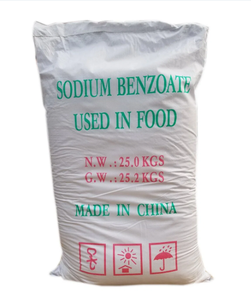
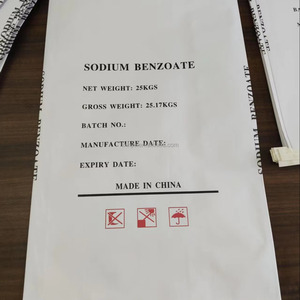
Tartness balance and microbial stabilization using Citric Acid E330 and Sodium Benzoate.

Pathogen control (Listeria inhibition) in ready-to-eat meats using bio-fermented Epsilon-PolyLysine.

Shelf-life protection for natural cheeses, yogurts, and butter spreads with low-dose sorbates.

Emulsion stability, acid control, and oxidative protection using pure Cinnamic Acid & Benzoate granules.
Leading Chinese manufacturers are distinguished by advanced bio-fermentation infrastructure, strict adherence to global pharmacopeia standards (FCC, USP, EP), automated batch purification, and audited quality management systems (ISO 22000, FSSC 22000, HACCP). Tier-1 facilities provide complete batch traceability, heavy metal assays below strict EU/FDA thresholds, and consistent particle mesh sizes tailored for rapid dissolution in automated blending operations.
Citric Acid Anhydrous contains no moisture of crystallization, making it ideal for dry powder blends, beverage mixes, and moisture-sensitive formulations where caking must be prevented. Citric Acid Monohydrate contains one water molecule per citric acid molecule and is typically used in liquid processing where hydration speed is paramount. Both offer identical acidifying power once dissolved in solution.
Epsilon-PolyLysine is a naturally occurring homo-poly-amino acid produced via bacterial fermentation (Streptomyces albulus). It exhibits strong thermal stability (withstanding heat treatment up to 121°C for 20 minutes) and broad antimicrobial activity across a wide pH spectrum (pH 2–9). Because it breaks down into essential lysine in the human digestive system, it satisfies consumer demands for clean, natural labels without sacrificing shelf life.
Every industrial order includes a comprehensive compliance dossier: Certificate of Analysis (COA) specifying purity assay (typically ≥99.0%), Moisture Content, Heavy Metals (as Pb), Arsenic (as As), Organic Impurities, Safety Data Sheet (SDS), Allergen Statement, Kosher Certificate, Halal Certificate, and Non-GMO Declaration.
Standard commercial packaging includes 25kg multi-wall paper bags with PE inner liners, 25kg fiber drums, or 1,000kg super-sacks for high-volume automated batching. Minimum order quantities generally start at 1 metric ton (1,000 kg) for direct factory export, while domestic sample orders and trial quantities can be arranged through our warehouse distribution hubs.
Formulation teams can submit a sample request directly through our global live chat portal or online document portal. Specify your targeted parameters (mesh size, assay percentage, end-use application, and target regulatory market), and our technical sales team will dispatch sample packs along with product specification sheets within 48 hours.
Partner with an established supply network delivering verified technical specs, competitive factory-direct pricing, and dependable JIT logistics for food manufacturers worldwide.
Get a Quote