
Direct-from-factory solutions engineered for high-shear beverage production, thermal processing stability, and extended commercial shelf-life.
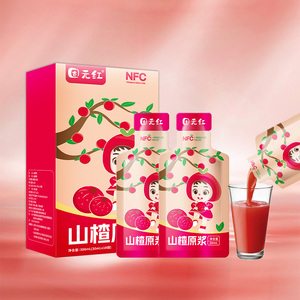
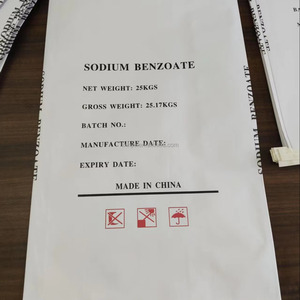
The global food and beverage manufacturing sector is experiencing an unprecedented structural shift toward integrated supply chain sourcing. As the world's primary manufacturing powerhouse for agricultural processing, China has transitioned from a basic raw commodity supplier into an advanced provider of specialized fruit juice concentrates, purees, and bio-fermented functional additives. Securing a reliable supply line requires deep evaluation of raw material agronomics, seasonal yield fluctuations, titratable acidity control, and precise Brix standardization.
Modern beverage formulators no longer evaluate fruit concentrates purely on price-per-metric-ton. High-speed aseptic filling lines demand strict physical-chemical parameters: predictable viscosity indices, turbidity stabilization, minimal enzymatic browning, and zero microbiological spore counts. Furthermore, the synergy between primary fruit substrates (such as apple, hawthorn, pear, and berry purees) and precise acidulant/preservative systems (citric acid anhydrous, potassium sorbate, and bio-fermented ε-polylysine) determines the final product's physical stability and organoleptic longevity.
"Information Gain Insight: Achieving extended shelf-life without sacrificing sensory fidelity requires balancing osmotic pressure driven by fruit solids (Brix 65-70°) with targeted, pH-dependent antimicrobial agents."
Leading Chinese manufacturing hubs across Shandong, Shaanxi, and Xinjiang utilize state-of-the-art multi-stage vacuum evaporation and ultra-filtration technologies. By processing fruits within hours of harvest, factories preserve volatile aromatic fractions while ensuring pesticide residues and heavy metals remain well below stringent European Commission (EC) and US FDA action levels.
Our fruit concentrates and functional preservatives are formulated for seamless integration into high-throughput processing lines.






The matrix below outlines key analytical parameters for industrial selection, ensuring formulation accuracy across acidic, neutral, and low-water-activity ($a_w$) matrix systems.
| Ingredient / Concentrate | CAS / E-Number | Active Functionality | Optimal pH Range | Typical Industrial Dosage |
|---|---|---|---|---|
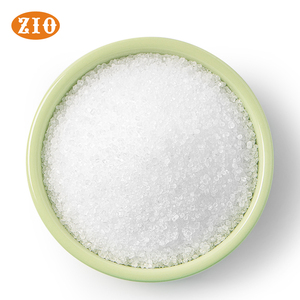
| Citric Acid Anhydrous | CAS 77-92-9 / E330 | Acidulant, Sequestrant, Flavor Adjuster | pH 2.0 - 4.5 | 0.10% - 0.50% w/w |
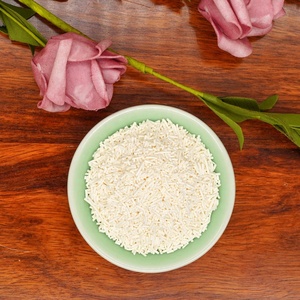
| Potassium Sorbate Granular | CAS 24634-61-5 / E202 | Yeast & Mold Antimicrobial | pH < 6.5 (Optimal < 5.5) | 0.05% - 0.20% w/w |
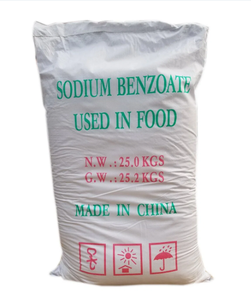
| Sodium Benzoate Powder | CAS 532-32-1 / E211 | Broad Spectrum Bacterial Inhibitor | pH 2.5 - 4.0 | 0.02% - 0.10% w/w |
| Epsilon-PolyLysine (EPL) | CAS 28211-04-7 / Bio-pep | Clean-Label Bio-Preservative | pH 4.0 - 8.0 (Heat Stable) | 0.005% - 0.03% w/w |
| Hawthorn Fruit Puree | Natural Substrate | Flavor Base, Pectin Source, Viscosity | pH 3.0 - 3.8 | 5.0% - 25.0% Application Dependent |
1. Acceleration of Clean-Label Bio-Preservation
Global consumer demand for recognizable ingredients is accelerating the transition away from traditional synthetic additives toward natural biopolymers like Epsilon-PolyLysine (EPL) and plant-derived antioxidants such as Cinnamic Acid. Procurement directors must build resilient supply partnerships that accommodate both classic cost-effective preservatives (Sorbates/Benzoates) for mass market commodities and next-generation clean-label solutions for premium wellness brands.
2. Climate-Adaptive Sourcing Strategy & Crop Volatility
Unpredictable global weather patterns are affecting orchard yields in North America and Europe. China's geographically diverse fruit cultivation belts—spanning temperate Northern provinces to subtropical Southern regions—offer crucial volume stabilization. Leading buyers are establishing forward contracts covering 12 to 24 months with dual-region contingency sourcing built into their master service agreements.
3. Advanced Brix-to-Acid Ratio Precision Tuning
Beverage manufacturers are moving toward tailor-made fruit concentrates where the natural sugars and organic acid ratios are standard-matched at the factory extraction level. This minimizes line adjustments during bottling operations, decreases batch variation, and reduces chemical buffer consumption.
4. Strict Audit Compliance & FSMA 204 Traceability
With regulatory enforcement tightening worldwide, ingredient documentation has evolved from an afterthought into a critical supply gatekeeper. Every single shipment must enter the port backed by comprehensive Certificates of Analysis (COA), heavy metal screening, allergen non-cross-contamination guarantees, and full farm-to-drum lot traceability.
As a premiere China fruit concentrate factory and specialized ingredient exporter, our operational discipline bridges the gap between agricultural processing and rigorous industrial quality assurance. We operate under six core competencies designed to keep your manufacturing plants running without disruption:
We verify Brix levels, titratable acidity, mesh size, moisture content, and microbial counts against your target formula before issuing a commercial quote.
Forward contracting and strategic buffer inventory across our logistics network shield your operations from seasonal shortages and freight shocks.
Full documentation suites—including HACCP, ISO22000, Kosher, Halal, Allergen Statements, and COAs—accompany every batch prior to port entry.
In-house food scientists assist in evaluating functional equivalents, sugar-reduction systems, and pH adjustments for complex formulations.
Flexible FCL and LTL shipping options, featuring temperature-controlled reefer containers for high-vulnerability fruit purees and active enzymes.
Tailored packaging solutions ranging from 25kg drums to 1000kg aseptic totes, designed to match your facility's batching automation.
Clear answers to technical, regulatory, and commercial queries encountered during vendor qualification.