
Explore high-purity functional emulsifiers, acidulants, and bioactive preservation systems engineered for global food, beverage, bakery, and dairy manufacturing excellence.
In modern industrial food processing, emulsifiers represent far more than simple surface-active agents; they are the thermodynamic architects of texture, mouthfeel, kinetic stability, and shelf-life optimization. As global food manufacturers face unprecedented pressure to balance clean-label declarations with extended supply chain duration, partnering with leading Chinese food emulsifier manufacturers has evolved from a pure cost-reduction tactic into a core strategic advantage.
China's chemical synthesis and bio-fermentation ecosystems have undergone a dramatic structural transformation. Leading Chinese suppliers have integrated advanced enzymatic modification, continuous esterification, and molecular distillation processes to produce Hydrophilic-Lipophilic Balance (HLB) engineered emulsifiers that match or exceed strict European Union (EC 1333/2008) and United States Pharmacopeia (USP-FCC) quality standards. From mono- and diglycerides of fatty acids (E471), DATEM (E472e), and Sodium Stearoyl Lactylate (SSL/E481) to specialized soy and sunflower lecithin derivatives, Chinese manufacturing facilities operate at massive industrial scales with fully automated Distributed Control Systems (DCS).
Information Gain Insight: Sourcing high-performance emulsifiers directly from tier-1 Chinese factories enables food procurement teams to achieve a 15% to 30% reduction in landed raw material costs while securing custom HLB blending options, dedicated lot-reservation contracts, and fully traceable palm-oil sustainability (RSPO) documentation.
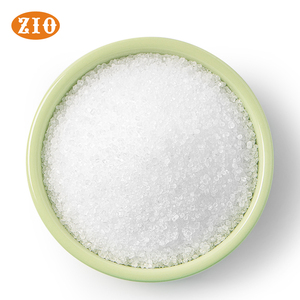
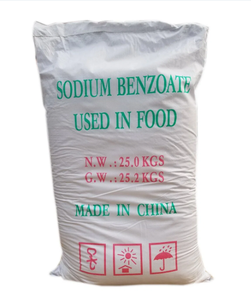
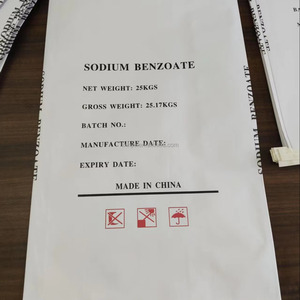
Furthermore, contemporary food matrices rarely rely on emulsifiers in isolation. Thermal processing, high-shear homogenization, and acidic beverage environments demand a synergistic approach combining primary emulsifiers with pH buffers (such as Citric Acid Anhydrous), microbicidal preservation powders (such as Sodium Benzoate and Potassium Sorbate), and natural bio-peptides (Epsilon-PolyLysine). Chinese manufacturing hubs provide integrated supply programs that streamline raw material intake, ensuring consistent physical properties across global production runs.
Selecting the right B2B emulsifier supplier requires rigorous evaluation beyond pricing. Top-tier Chinese producers distinguish themselves through six operational pillars designed to eliminate processing downtime and guarantee regulatory compliance:
State-of-the-art esterification and molecular fractionation technology allows exact calibration of mono-ester ratios (up to 95% mono-content), tailored melting profiles, and fine particle mesh sizes for instant water dispersal.
Every batch is backed by comprehensive COA documentation, allergen declarations, heavy metal testing, pesticide screens, and global certifications including FSSC 22000, ISO 9001, Kosher Pareve, and Halal.
Strategic warehousing adjacent to Qingdao, Shanghai, and Ningbo ports enables rapid container consolidation, flexible FCL/LTL sea freight arrangements, and just-in-time shipment schedules.
In-house food scientists assist global partners with formulation troubleshooting, crumb structure enhancement in bakery, phase-separation prevention in beverages, and fat-replacer optimization.
Specialized non-GMO, organic, and bio-based emulsifier-preservative systems developed to meet clean-label consumer preferences without sacrificing product shelf stability or thermal tolerance.
Direct factory pricing linked to raw material indices (palm stearin, glycerol, ethylene oxide), backed by long-term fixed-price supply agreements to protect buyers against market volatility.
Selecting the ideal emulsifier requires matching the Hydrophilic-Lipophilic Balance (HLB) value, melting kinetics, and ionic properties to the specific food matrix. Below is an engineering overview of key functional additive systems supplied by Chinese factories for commercial manufacturing:
| Additive / Emulsifier System | HLB / Active Range | Primary Industrial Application | Key Functional Advantage | Regulatory / Code Compliance |
|---|---|---|---|---|
| Distilled Monoglycerides (DMG / E471) | HLB 3.8 - 5.2 | Industrial Bakery, Margarine, Dairy Powder | Starch retrogradation complexing, crumb softening, fat crystallization control | FCC, EU E471, Kosher, Halal |
| DATEM (E472e) | HLB 8.0 - 10.0 | Yeasted Bread, Frozen Dough Systems | Gluten network reinforcement, gas retention increase, loaf volume expansion | FCC XI, EU E472e, Non-GMO |
| Sodium Stearoyl Lactylate (SSL / E481) | HLB 10.0 - 12.0 | Tortillas, Baked Goods, Sauces | Protein-binding capacity, freeze-thaw stability, dough machinability enhancement | US FDA 172.846, EU E481 |
| Citric Acid Anhydrous E330 | Acidulant Buffer | Beverages, Confectionery, Emulsion Synergist | pH suppression, heavy metal ion chelation, preventing lipid oxidation rancidity | USP/FCC, EU E330, BP Grade |
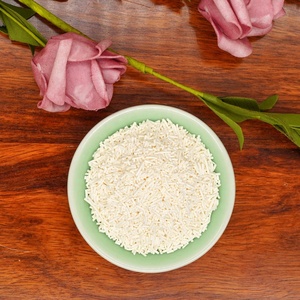
| Potassium Sorbate 99% Granules | Antimicrobial Agent | O/W Emulsions, Bakery, Cheese, Dressings | Inhibition of yeast and mold growth without destabilizing ionic emulsion spheres | FCC, EU E202, ISO 22000 |
| Epsilon-PolyLysine (EPL) HCl | Bio-Peptide System | Clean-Label Processed Foods, Sauces, Rice | Broad-spectrum antibacterial protection active across wide pH and thermal ranges | GRAS Notice, EU Approved |
By coupling mono- and diglyceride surfactants with high-purity inorganic acidulants and organic preservation buffers, processing plants achieve unified physical and microbicidal security. For instance, in mayonnaise and salad dressing manufacturing (Oil-in-Water emulsions), combining high-HLB emulsifiers with pure Citric Acid Anhydrous lowers interfacial tension while keeping the liquid phase below pH 4.2—activating Potassium Sorbate or Sodium Benzoate to suppress microbial growth completely.
The global market for food emulsifiers and functional hydrocolloids is entering a era of rapid innovation, driven by shifting consumer demands, legislative mandates, and supply chain re-engineering. Sourcing directors and R&D managers must navigate several critical technological macro-trends over the coming decade:
Consumers increasingly demand simple, recognizable ingredient statements. This shift is driving demand away from fully synthetic surfactants toward enzymatically modified lecithins (sunflower and soy), hydrolyzed proteins, and bio-fermented poly-lysines. Chinese manufacturers are investing heavily in enzymatic modification technology that alters the phospholipid profile of native lecithin, yielding high-HLB fractions capable of replacing synthetic polysorbates in sensitive beverage and infant nutrition applications.
Advanced Chinese processing facilities are pioneering microemulsification techniques that create stable nano-sized lipid droplets (10 to 100 nanometers). Nano-encapsulation enhances the bio-availability of lipophilic nutrients (such as Vitamin D, Omega-3 fatty acids, and carotenoids) while retaining complete optical clarity in functional transparent beverages. These systems rely on high-purity emulsifier-surfactant combinations capable of maintaining interfacial elasticity under extreme ultra-high-pressure homogenization (UHPH).
Environmental, Social, and Governance (ESG) criteria have become critical in vendor qualification audits. Leading Chinese food emulsifier exporters have aligned their supply chains with Roundtable on Sustainable Palm Oil (RSPO) Mass Balance (MB) and Segregated (SG) certifications. By optimizing energy recovery systems in fatty acid esterification plants, Chinese suppliers deliver products with fully documented carbon footprint credentials, enabling multinational brand owners to meet Scope 3 emissions targets.
Rather than purchasing isolated raw ingredients, modern food processing plants are adopting custom-blended, multi-functional ingredient systems. Factory-pre-blended emulsifier-preservative complexes eliminate batching errors, reduce warehouse stock-keeping units (SKUs), and ensure uniform dispersion of ultra-low-dose functional additives (such as Epsilon-PolyLysine or Cinnamic Acid) throughout bulk matrix batches.
Procuring food chemical ingredients from China requires a robust strategic risk management framework. Price volatility in palm oil feedstock, fluctuating ocean freight spot rates, and evolving regulatory barriers necessitate a proactive purchasing protocol:
1. Dual-Origin Sourcing & Forward Contracting: Leading international ingredient distributors work closely with Chinese factories to establish 6-to-12-month forward pricing contracts. Locking in raw material baseline prices (such as crude palm kernel oil and refined glycerine) protects manufacturing margins against sudden commodity spikes.
2. Multi-Tiered Batch Testing Protocols: To ensure zero-defect shipment arrivals, high-volume buyers require triple-point analytical verification: original factory Certificate of Analysis (COA), independent third-party laboratory verification (SGS/Eurofins testing for heavy metals, dioxins, and ethylene oxide residuals), and destination warehouse retention sampling.
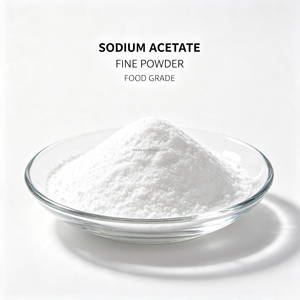
3. Moisture-Barrier Containerized Packaging: Food-grade emulsifiers, especially spray-dried monoglyceride powders and hygroscopic granules like Sodium Acetate Anhydrous, are vulnerable to moisture absorption and caking during sea transit. Top Chinese suppliers utilize multi-layer polyethylene-lined paper bags, vacuum-sealed aluminum foil liners, and desiccated pallet-wrapping to guarantee free-flowing material upon arrival.
Below are authoritative answers to the most critical technical, quality, and commercial questions raised by corporate procurement officers and food scientists when evaluating Chinese emulsifier factories: