
Direct procurement catalog covering essential food colors, natural antioxidants, clean-label preservatives, and high-purity acidulants manufactured to international food safety standards.
The global food and beverage manufacturing ecosystem relies heavily on consistent, high-purity functional ingredients to meet consumer demands for vibrant visual appeal, extended shelf life, and flawless sensory integrity. China has established itself as the world’s primary epicenter for industrial food additive production, accounting for over 65% of global output across acidulants, bio-preservatives, natural colorants, and synthetic pigment intermediates.
Navigating the Chinese manufacturing landscape requires a rigorous, specification-first procurement framework. Sourcing directors and R&D managers cannot rely solely on price-per-kilogram metrics. True supply chain resilience demands multi-facility audits, chemical assay validation, trace-heavy-metal testing (lead, arsenic, cadmium, mercury), and strict compliance with global food codes including US FDA 21 CFR, EU E-number regulations, and codex alimentarius standards.
Achieving color stability in commercial food and beverage processing requires a deep understanding of water activity ($a_w$), pH-dependent degradation, oxidation kinetics, and antimicrobial dissociation.
Acidulants like Citric Acid Anhydrous E330 drop systemic pH below critical microbial thresholds while acting as a chelating agent. By sequestering pro-oxidant metal ions (such as Fe²⁺ and Cu²⁺), citric acid slows down the oxidative fading of both natural colors (anthocyanins, carotenoids) and synthetic dyes (Tartrazine, Allura Red AC), ensuring visual longevity throughout shelf life.
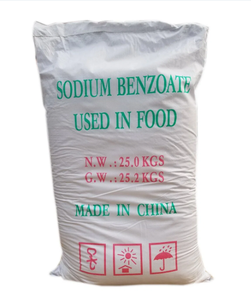
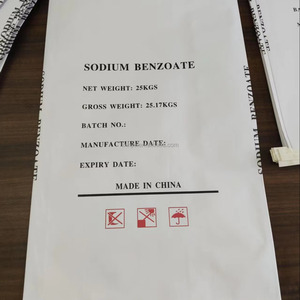
Organic acid salts such as Sodium Benzoate (E211) and Potassium Sorbate depend on undissociated acid molecules ($HA$) to penetrate microbial cell membranes. Potassium Sorbate exhibits a pKa of 4.76, making it extraordinarily effective in acidified bakery and cheese systems, preventing mold growth without compromising pigment structure or producing off-flavors.
The modern industrial shift toward clean-label formulations has elevated antimicrobial peptides like Epsilon-PolyLysine (EPL) Hydrochloride. Functioning across a broad pH spectrum (pH 2.0 to 9.0), EPL binds electrostatically to bacterial surfaces, offering robust protection in sensitive dairy and ready-to-eat products without destabilizing natural visual additives.
Understanding macro shifts in regulatory policy, consumer perception, and Chinese manufacturing infrastructure is essential for maintaining a competitive cost structure.
Global consumer demand for clean labels has accelerated the phasing out of artificial dyes like Red 40 and Yellow 5 in favor of natural pigment extracts. Chinese producers have invested heavily in agricultural extraction technology, leading the global supply of paprika oleoresin, curcumin, gardenia blue, and beet concentrated juices. Procurement managers must anticipate potential supply tightness by establishing forward contracts with suppliers utilizing automated solvent extraction and supercritical CO₂ isolation.
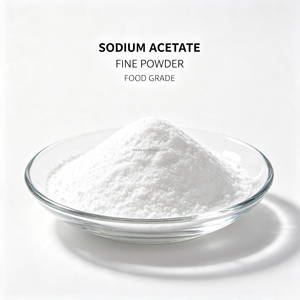
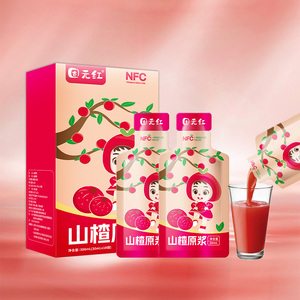
While traditional chemical preservatives like Sodium Benzoate (CAS 532-32-1) and Sodium Acetate Anhydrous (CAS 127-09-3) remain baseline workhorses for cost-effective preservation, high-growth categories (plant-based meat, functional beverages, ultra-pasteurized dairy) are shifting to fermentation-derived antimicrobials. Products like Epsilon-PolyLysine Hydrochloride and natural fruit-derived extracts (e.g., concentrated hawthorn puree systems) are experiencing 14% CAGR, serving as dual-function antioxidants and bio-preservatives.
In response to stringent environmental policies in major Chinese industrial chemical zones (such as Shandong and Zhejiang), premier food additive manufacturers have modernized their facilities. Modern synthesis pathways utilize continuous enzymatic crystallization, energy recovery boilers, and automated zero-liquid-discharge (ZLD) effluent management. Sourcing from green-certified factories ensures uninterrupted supply continuity during regional environmental inspections.
Bridging top-tier manufacturing engineering with seamless international trade logistics, quality oversight, and custom formulation assistance.
Every batch delivered undergoes analytical testing in ISO17025 accredited laboratories. We supply comprehensive analytical dossiers including HPLC assays, GC residual solvent checks, heavy metal panels, and microbial counts prior to vessel departure.
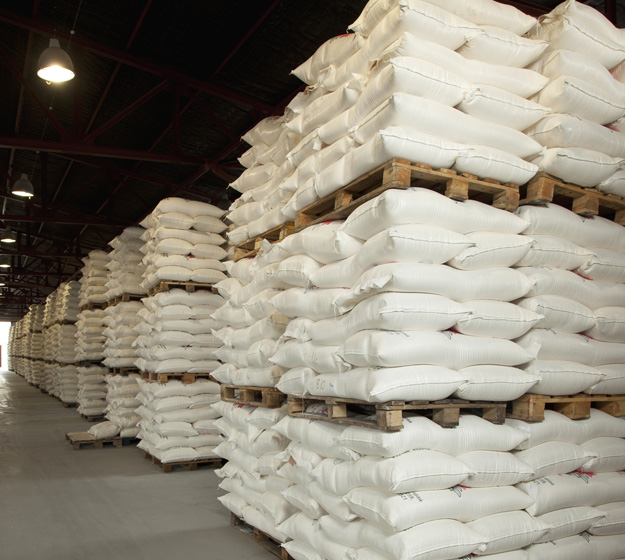
Offering full container loads (FCL), consolidated LTL shipments, palletized shrink-wrapped packaging, moisture-barrier fiber drums, and customized 25kg bags with multi-language GHS labeling to streamline customs clearance.
Our dedicated team of food technologists assists buyers with ingredient substitution, cost-reduction reformulations, heat-stability trials, and solving solubility issues in complex food matrices.
Essential technical and commercial clarifications for quality assurance, procurement officers, and international importers.
Connect with our technical sourcing specialists for direct-factory pricing, sample dispatches, and customized formulation support across all food colors, acidulants, and bio-preservatives.