
Standardized food-grade and organic botanical ingredients processed via spray drying (SD), freeze drying (FD), and micro-milling. Fully certified for commercial food, beverage, and nutraceutical manufacturing.
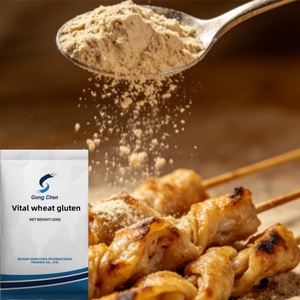
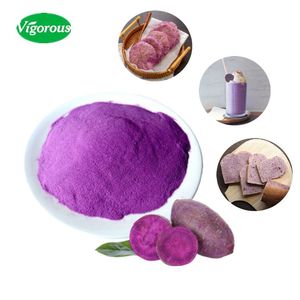
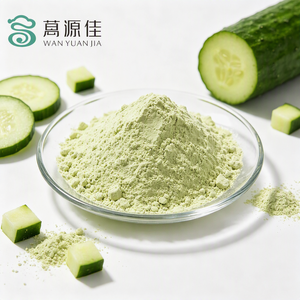
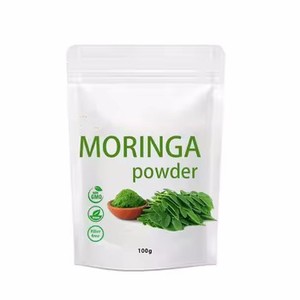
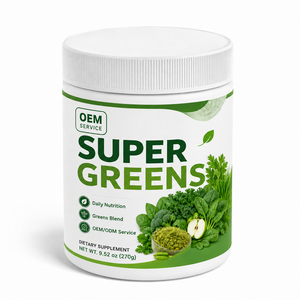
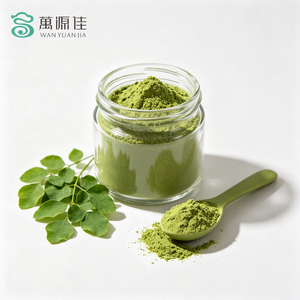
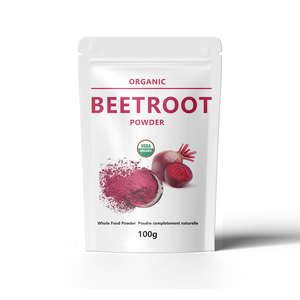
Navigating industrial plant powder manufacturing requires evaluating processing methodologies, thermolabile bio-active preservation, and bulk rheological behaviors across commercial production lines.
The global dehydrated vegetable powder market has transitioned from basic agricultural waste preservation into a high-precision chemical engineering sector. Driven by consumer demands for clean-label texturizers, natural color pigments (e.g., anthocyanins, betalains, and chlorophyll), and plant-derived functional actives, procurement managers must evaluate factories based on technological infrastructure rather than unit price alone.
Vegetable powders serve as functional matrices in diverse food applications, including instant soups, bakery premixes, beverage superfood blends, extruded snacks, and meat analogues. Industrial performance depends heavily on physical characteristics such as particle size distribution (measured in mesh or micrometers), bulk density (g/mL), water activity ($a_w$), and cold-water solubility. Choosing the optimal manufacturing partner requires an understanding of how distinct drying technologies impact these variables.
| Drying Technology | Thermal Exposure | Nutrient & Pigment Retention | Rehydration Ratio / Solubility | Primary Industrial Applications |
|---|---|---|---|---|
| Freeze Drying (FD) Lyophilization Sublimation |
Low (-40°C to +30°C in vacuum) | 95% – 98% (Preserves thermolabile enzymes & vitamins) | Instant reconstitution; high porosity & hygroscopicity | Superfood blends, RTD beverage bases, premium functional supplements. |
| Spray Drying (SD) Atomization with Carriers |
High Inlet (140°C–180°C), Short Residence | 80% – 88% (Slight bioactive degradation) | 100% water soluble (when using maltodextrin/acacia carriers) | Instant soup mixes, beverage colorants, liquid seasonings. |
| Air Drying (AD) Convective Hot Air Tunnel |
Moderate to High (60°C–85°C) | 65% – 75% (Browning reactions may occur) | Moderate rehydration speed; retains insoluble fibers | Bakery inclusions, extruded snacks, pet nutrition, sauce bases. |
| Drum Drying (DD) Conductive Thin Film Heat |
High Surface Heat (120°C–150°C) | 70% – 80% (High starch gelatinization) | Rapid cold-water viscosity build; pre-gelatinized texture | Infant cereals, thick soups, binding systems for processed meats. |
Top vegetable powder factories utilize air-classifying mills (ACM) and cryogenic grinding to achieve uniform fine particle distribution ranging from 80 mesh to 200 mesh. Finer mesh sizes enhance dispersion stability in beverage systems and reduce gritty mouthfeel in dairy and plant-based milk formulations.
Dehydrated botanicals inherently carry soil-borne microbial loads. Leading manufacturers deploy high-pressure steam sterilization (HTST) or dry heat pasteurization to achieve 5-log pathogen reduction (Salmonella, E. coli, Listeria) without altering color or active compound profiles.
Hygroscopic powders (such as beet juice or tomato powder) often require carriers like organic maltodextrin, tapioca starch, or sunflower lecithin. High-capability OEMs engineer 100% carrier-free powders through specialized spray parameters and climate-controlled packaging.
A whitepaper-level framework for vetting global vegetable powder manufacturers, ensuring batch-to-batch consistency, regulatory compliance, and audit readiness.
Tier-1 factories maintain direct contract farming under Good Agricultural Practices (GAP). Procurement audits verify land history, heavy metal soil tests (Pb, Cd, As, Hg), pesticide residue screening complying with USDA/EU MRL standards, and non-GMO crop origin verification.
Enterprise food brand compliance requires manufacturing sites certified under Global Food Safety Initiative (GFSI) recognized schemes, including SQF Edition 9, BRCGS Food Safety Standard, and FSSC 22000, alongside Kosher, Halal, and USDA Organic certifications.
Qualified producers maintain in-house ISO 17025 accredited laboratories equipped with HPLC (High-Performance Liquid Chromatography) and LC-MS/MS for active compound standardization (e.g., glucosinolates in brassica powders, nitrates in beetroot) and real-time COA generation.
Leading factories offer dry-blend homogenization, custom mesh sizing, agglomeration (instantizing for rapid dissolution), and private label packaging ranging from 100g retail pouches to 25kg fiber drums and 500kg super sacks.
Vegetable powders are highly sensitive to humidity and oxidation. Top manufacturers utilize multi-layer aluminum foil barrier bags with nitrogen flushing ($N_2$) to guarantee a 24-month stability window without clumping or organoleptic degradation.
To mitigate geopolitical, climate, and supply disruptions, reliable suppliers maintain multi-regional production hubs and strategic buffer inventories, enabling seamless execution of long-term supply agreements.
Key market transitions reshaping raw material selection, clean-label formulation strategies, and industrial processing requirements over the next decade.
Formulators are moving away from traditional carrier matrices like maltodextrin and silica dioxide. Future procurement heavily favors high-purity micro-milled powders and natural acacia gum stabilized systems that preserve clean label claims such as "100% Pure Whole Vegetable Powder."
Upcycled vegetable powder manufacturing is scaling rapidly. By converting side-stream agricultural produce and nutrient-dense peels/pomace into micro-ground powders, food manufacturers lower carbon footprints while securing cost-effective functional fiber and polyphenol ingredients.
Commercial buyers are upgrading specifications from generic powders to standardized potency grades—such as beetroot powder standardized to 1.5%–2.0% natural nitrates, or brassica blends standardized for sulforaphane potential—enabling targeted functional supplement claims.
We streamline complex industrial sourcing by consolidating high-quality global production into an accountable, spec-verified distribution network covering more than 2,500 food and beverage ingredients.
Functionality, particle size, protein content, moisture parameters, and regional origin are rigorously pre-matched to your manufacturing line before formal quotation, reducing trial failure rates on high-speed lines.
Every shipment is delivered with comprehensive compliance packages: Lot-specific Certificates of Analysis (COA), technical data sheets, allergen declarations, nutritional breakdowns, and Kosher/Halal/Organic documentation.
Our experienced food scientists and formulation specialists assist technical teams with clean-label substitutions, functional equivalency evaluations, and bench-scale sampling to maintain development momentum.

Fruit & Vegetable

Flavoring
Dairy Processing

Custom Blending

Confections

Brining & Pickling

Beverage

Sauce & Dressing

Meat Processing

Baking

Beer, Wine & Spirits

Animal Nutrition
Detailed answers to technical, quality assurance, and logistical questions commonly raised by food industry procurement managers and R&D specialists.
Request our comprehensive product catalog, detailed technical data sheets, or pilot laboratory samples. Speak directly with an ingredient procurement specialist today.