Welcome to the definitive industrial procurement guide and technical reference for enterprise buyers, formulation scientists, and quality managers seeking elite global supply partners for commercial grade, food grade, pharmaceutical, and industrial Soy Lecithin (Soya Lecithin) derivatives.
Browse our top-tier standardized, de-oiled, hydrolyzed, and hydrogenated soy lecithin grades engineered for food processing, nutritional supplements, cosmetic formulations, and high-performance industrial applications.
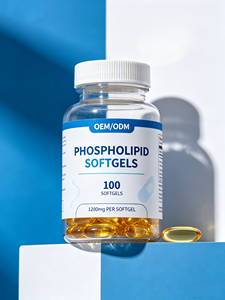
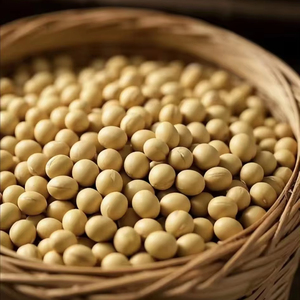
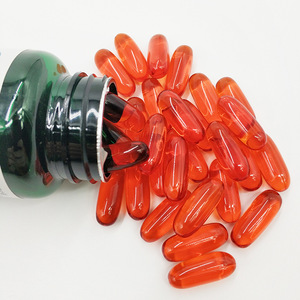
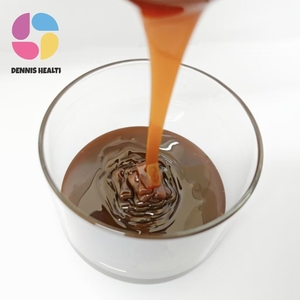
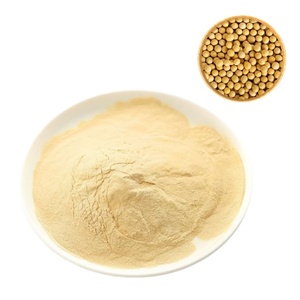
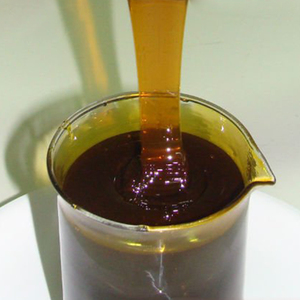
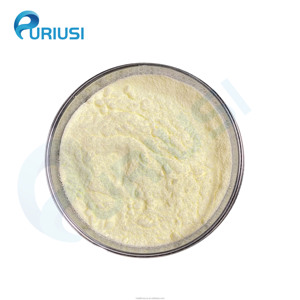
Soy lecithin (derived from Glycine max) represents one of the most versatile, functional, and naturally derived surfactant complexes utilized across modern industrial processing. Chemically, crude soy lecithin is a naturally occurring mixture of complex phospholipids, glycolipids, carbohydrates, and triglycerides, obtained during the aqueous degumming process of crude soybean oil extraction.
From a biochemical perspective, the functional backbone of soy lecithin relies on its amphiphilic structure. Each phospholipid molecule contains a polar, hydrophilic (water-loving) head group consisting of phosphate attached to choline, ethanolamine, or inositol, alongside non-polar, lipophilic (fat-loving) dual fatty acid chains. This dual affinity enables lecithin to drastically reduce interfacial tension between immiscible phases (oil-in-water or water-in-oil systems), stabilizing emulsions, controlling crystallization, improving wetting properties, and acting as a powerful dispersing agent.
Navigating the global soy lecithin market requires evaluating suppliers not merely on price per metric ton, but on manufacturing scalability, quality assurance systems, solvent residue purity, IP (Identity Preserved) Non-GMO tracking, and technical formulation bench support. Below is an authoritative benchmarking matrix of the premier global soy lecithin manufacturers and exporters shaping the global supply chain:
| Manufacturer / Exporter | Primary HQ / Production Hubs | Core Product Specialization | Quality & Traceability Standards | Target Industrial Sectors |
|---|---|---|---|---|
| 1. Cargill, Incorporated | USA, South America, Europe | Standard Liquid, Topcithin™ De-oiled Powder | IP Non-GMO, FSSC 22000, Kosher, Halal | Bakery, Confectionery, Animal Feed |
| 2. Archer Daniels Midland (ADM) | USA, Brazil, Netherlands | Ultralec® De-oiled, Yelkin® Fluid Lecithin | ISO 9001, Non-GMO Project Verified | Food Processing, Pharmaceuticals |
| 3. Bunge Limited | USA, Brazil, Asia-Pacific | BungeMaxx® Organic & Fluid Lecithin | ProTerra Certified, USDA Organic | Snack Foods, Margarine, Industrial |
| 4. Lipoid GmbH | Germany | High-Purity PC Fractions, Hydrogenated Lecithin | cGMP, EU Pharmacopoeia, US FDA DMF | Injectable Pharma, Liposomal Skincare |
| 5. Sternchemie GmbH & Co. KG | Germany, Global Logistics | SternPur® Fractionated & Hydrolyzed Lecithin | FSSC 22000, Non-GMO Traceability | Specialty Food, Instant Powders, Coatings |
| 6. Lucas Meyer Cosmetics (Clariant) | France, Canada | Lecigel™, Biophilic™ Biomimetic Emulsifiers | COSMOS, ISO 16128 Natural Origin | Premium Skincare & Cosmetics |
| 7. American International Foods (AIFI) | United States (Nationwide) | 2,500+ Ingredient Distribution, Custom Blends | FSMA Audit-Ready, HACCP, Full COA Lot Tracking | Bakery, Dairy, Meat, Supplements, Industrial |
| 8. Lasenor Emul, S.L. | Spain, India, Brazil | Hydrolyzed, Organic, Organic Certified Lecithin | FSSC 22000, RSPO, Non-GMO IP | Confectionery, Emulsified Sauces |
| 9. Vav Life Sciences | India | Leciva® Purified Phospholipids & Lyso-Lecithin | WHO-GMP, ISO 22000, US FDA Registered | Nutraceuticals, Cosmetics, Parenteral |
| 10. Yihai Kerry (Wilmar Int.) | China, Southeast Asia | Bulk Crude, Industrial & Food Fluid Lecithin | ISO 9001, HACCP, Halal, Kosher | Global Bulk Export, Paints, Feed Grade |
The commercial lecithin landscape is undergoing structural shifts driven by evolving regulatory demands, clean-label clean-eating trends, and advanced bio-processing techniques. Sourcing executives must anticipate the following trends to secure robust, resilient supply chains:
Standard lecithin has an HLB value of 4–7 (oil-soluble). Through phospholipase A2 enzymatic hydrolysis, one fatty acid chain is cleaved to yield Lysophosphatidylcholine (LPC), boosting the HLB value up to 8–12. Hydrolyzed soy lecithin offers superior water dispersibility, freeze-thaw stability in frozen dough, and stable oil-in-water emulsions without chemical additives.
With the European Union Deforestation Regulation (EUDR) enforcing strict geo-location tracking to ensure zero-deforestation, procurement teams are shifting toward certified Identity Preserved (IP) Non-GMO Soy Lecithin with verified farm-to-factory carbon and land-use documentation.
Traditional de-oiled lecithin powder utilizes hexane or acetone fractionation. Future nutraceutical and cosmetic applications are rapidly standardizing on solvent-free mechanical cold-pressing or Supercritical Fluid CO2 Extraction to ensure zero organic volatile residues.
To eliminate production line failures, procurement must work closely with R&D and QA teams to match technical specifications with functional requirements. The critical quality attributes (CQAs) of soy lecithin include:
| Industry Sector | Recommended Lecithin Grade | Primary Function & Value Add | Key Technical Parameter |
|---|---|---|---|
| Confectionery & Chocolate | Standardized Fluid Soy Lecithin | Reduces cocoa butter requirements; lowers yield stress and plastic viscosity in chocolate mass. | AI ≥62%, Moisture <1.0% |
| Industrial Baking & Doughs | Enzymatically Hydrolyzed / De-oiled Powder | Strengthens gluten network, improves crumb structure, extends shelf life, facilitates instant mixing. | HLB 8–10, LPC ≥10% |
| Nutraceutical Softgels | High-PC Phospholipid Liquid / Softgels | Acts as a natural bio-available source of Choline; enhances lipid-soluble vitamin uptake. | PC 20%–35%, Heavy Metals <10 ppm |
| Cosmetics & Personal Care | Hydrogenated Soy Lecithin 98% (CAS 92128-87-5) | Forms stable lamellar bilayers; restores skin lipid barrier; acts as a natural liposomal carrier. | Purity ≥98%, Iodine Value <1.0 |
| Paints, Coatings & Inks | Technical Grade Industrial Soy Lecithin | Wets pigment particles; prevents hard settling during storage; reduces grinding time. | Acid Value 25–35, Fluid Viscosity |
At American International Foods (AIFI) and our allied global manufacturing network, we understand that ingredient procurement is not just an exchange of commodities—it is an engine of operational continuity. A single failed lot specification or missing Certificate of Analysis (COA) can halt high-speed manufacturing lines, resulting in thousands of dollars in downtime.
Every shipment of soy lecithin is backed by comprehensive, lot-specific documentation packs delivered prior to unloading. This includes Certificate of Analysis (COA), Technical Data Sheets (TDS), Safety Data Sheets (SDS), Allergen Statements, Country of Origin Verification, Non-GMO Statements, Kosher and Halal Certifications.
Leveraging a strategic network of temperature-controlled storage facilities covering all 48 contiguous US states and key global shipping corridors, we execute full truckload (FTL), less-than-truckload (LTL), and multi-drum split loads with predictable lead times.
Transitioning from synthetic emulsifiers (mono- and diglycerides, polysorbates) to clean-label soy lecithin? Our product development specialists evaluate functional equivalents, balance HLB targets, and provide sample bench quantities for pilot testing.
Standard fluid liquid soy lecithin typically has a shelf life of 18 to 24 months from the manufacturing date when stored unopened in sealed drums or totes at temperatures between 16°C and 28°C (60°F–82°F). Exposure to direct sunlight, extreme cold (which causes crystallization), or high humidity (which induces moisture absorption and microbiological risk) must be avoided.
Fluid soy lecithin contains roughly 60–65% phospholipids and 35–40% crude soybean carrier oil. De-oiled soy lecithin undergoes acetone or cold-process solvent extraction to remove the carrier oil, resulting in a fine powder or granule containing ≥95% pure active phospholipids. De-oiled powder is ideal for dry beverage mixes, instant powders, low-fat food products, and nutraceutical capsulation.
Identity Preserved (IP) Non-GMO Soy Lecithin guarantees complete traceability from the non-genetically modified soybean seed planted by qualified growers through harvesting, crushing, degumming, and packaging. PCR (Polymerase Chain Reaction) testing is performed at critical control points to certify that GMO DNA content remains strictly below 0.9% (or 0.1% for ultra-strict European standards).
We supply industrial soy lecithin in diverse packaging formats tailored to plant handling infrastructure: 200 kg (440 lbs) steel/plastic drums, 1,000 kg (2,200 lbs) intermediate bulk containers (IBC totes), flexitanks for bulk liquid export (20,000–24,000 kg), and 20 kg/25 kg multi-wall vacuum-sealed bags with polyethylene liners for de-oiled powder.
Standard soy lecithin is lipophilic with a low HLB (Hydrophilic-Lipophilic Balance) value of around 4, making it less effective in water-continuous systems. Hydrolyzed lecithin has undergone enzymatic treatment to cleave a fatty acid molecule, increasing its HLB to 8-12. This makes it significantly more water-dispersible, improving stability in reduced-fat spreads, bakery doughs, and sauces.
Yes. Soy lecithin is widely used as a cost-effective, vegan, allergen-reducing alternative to egg yolk in mayonnaise, baked goods, dressings, and ice cream. While egg yolk naturally contains higher proportions of phosphatidylcholine, enzymatically modified soy lecithin can match egg yolk emulsion performance while offering price stability and zero cholesterol.
Ready to optimize your ingredient supply chain, secure contract pricing, or request lot samples and complete technical documentation packs for your production line? Speak directly with our sourcing desk.