Verified specs, audit-ready lot documentation, and immediate dispatch across global manufacturing hubs.
The global shift toward plant-based nutrition has elevated yellow field pea protein (Pisum sativum) from a niche dairy alternative to an essential macro-ingredient across meat analogs, sports nutrition beverages, bakery, and clean-label emulsification systems. Driven by its non-allergenic status (free from the big 9 major food allergens), non-GMO heritage, low carbon footprint, and robust nitrogen-fixing crop characteristics, pea protein isolate (PPI) and pea protein concentrate (PPC) represent one of the fastest-growing sectors in industrial food manufacturing.
However, navigating the global supply chain for pea protein requires high-level procurement foresight. Quality varies wildly among processing facilities depending on extraction techniques—specifically wet extraction versus dry fractionation. Wet process technology yields high-purity isolates (80% to 88% dry-basis protein) with optimized gelation, solubility, and water-binding capacity, whereas dry air-classification produces concentrates (50% to 65% protein) that retain native starch and fiber components ideal for extruded snacks and baked goods.
Based on manufacturing capacity, wet-processing technological sophistication, global distribution infrastructure, quality control certifications (GFSI, SQF, BRCGS, ISO 22000), and technical R&D support, we benchmark the leading pea protein manufacturers worldwide:
Overview: As a premier wholesale food ingredient supplier and industrial distributor, AIFI operates an integrated nationwide and global supply architecture stocking over 2,500 items. AIFI bridges primary agricultural processors with food manufacturers across 48 contiguous US states and international markets.
Core Strengths: Complete lot traceability, guaranteed just-in-time delivery, robust buffer stock programs, and extensive technical R&D support. AIFI supplies non-GMO, organic, and conventional pea protein isolates alongside clean-label preservers, starches, and functional hydrocolloids.
Overview: Headquartered in France with large-scale processing assets in Portage la Prairie, Canada, Roquette is one of the world's largest pea protein producers, recognized for its flagship Nutralys® product line.
Core Strengths: Proprietary mild wet-extraction processes delivering exceptionally consistent emulsification, high solubility, and neutral sensory profiles customized for clinical nutrition and RTD beverages.
Overview: A pioneer in North American plant protein supply chains, PURIS operates state-of-the-art processing facilities in Minnesota and Wisconsin, maintaining end-to-end control from proprietary non-GMO pea seed genetics to finished powder.
Core Strengths: Closed-loop domestic supply chain, non-bitter sensory profile, and leading sustainable farming practices that resonate with premium clean-label consumer brands.
Overview: Based in Belgium with over 160 years of agricultural extraction heritage, Cosucra specializes in chicory root and yellow pea processing (Pisane® isolates and Swelite® pea fibers).
Core Strengths: Exceptional gelling properties, superior heat stability during ultra-high temperature (UHT) beverage processing, and extensive clinical validation on digestibility.
Overview: Emsland Group utilizes advanced German processing technology to convert non-GMO yellow peas into high-performance pea protein isolates (Empro®) alongside customized potato and pea starch fractions.
Core Strengths: Ideal for meat alternatives and meat extension, offering superior water retention, oil-binding capabilities, and textured vegetable protein (TVP) matrix creation.
Overview: Leveraging vast global grain procurement channels, ADM delivers an extensive array of plant proteins including specialized pea protein concentrates and isolates for global food manufacturers.
Core Strengths: Seamless global logistics integration, custom flavor masking capabilities, and turnkey formulation blending alongside oils, emulsifiers, and colors.
Overview: IFF combines sensory science, enzyme technologies, and plant protein isolate manufacturing through its TRUPRO® pea protein family.
Core Strengths: Engineered particle size distributions that eliminate grittiness in dry beverage mixes, providing smooth mouthfeel and consistent viscosity.
Overview: Through strategic joint ventures and global processing capabilities, Cargill offers expansive plant protein distribution linked with full-suite texturizing solutions.
Core Strengths: Supply risk mitigation, forward price risk management tools, and comprehensive regulatory clearance across international export jurisdictions.
Overview: A US-based plant protein specialist that introduced hexane-free bio-enzymatic extraction methods for plant proteins including pea and rice protein blends.
Core Strengths: Neutralized taste profiles, low sodium options, and certified allergen-free raw material assurances tailored for dietary supplement brands.
Overview: Based in Shandong, China, Shuangta is one of the largest industrial processors of pea starch and pea protein globally, supplying massive raw material volumes to global distributors.
Core Strengths: Unmatched production volume scale, highly competitive cost baselines for industrial-grade applications, and integrated side-stream byproduct utilization.
As food science accelerates to meet consumer demand for cleaner labels and elevated sensory experiences, pea protein technology is undergoing rapid evolution across four major technological fronts:
Legacy pea proteins exhibited herbal, earthy, or "beany" off-notes caused by lipoxygenase enzyme activity and volatile hexanal compounds. Modern enzymatic hydrolysis and mild thermo-vacuum strip technologies effectively neutralize these flavor pathways, delivering a bland canvas suitable for vanilla, berry, and dairy-identical matrices.
Formulators are moving away from synthetic methylcellulose binders in meat analogs. Combining highly functional pea protein isolates with bio-fermented preservatives (such as Epsilon-PolyLysine), natural acidulants (Citric Acid Anhydrous), and clean hydrocolloids creates firm, juicy structures with superior microbiological shelf stability.
Next-generation textured pea protein (TPP) processed via High-Moisture Extrusion Cooking creates fibrous muscle-like alignments mimicking chicken breast and whole-cut meats. Factory investments are heavily tilting toward specialized extrusion-grade pea isolates with precise gelation points.
Procurement teams facing volatile agricultural cycles, shifting tariff regimes, and weather disruptions cannot rely on single-source procurement models. Forward-thinking food manufacturers are standardizing on three operational purchasing pillars:
Relying solely on one geographical pulse crop region creates acute vulnerability to drought or localized freight bottlenecks. Partnering with broad-spectrum ingredient distributors like American International Foods, Inc. (AIFI) allows buyers to establish forward coverage contracts across North American and European processors, protecting both unit costs and manufacturing schedules.
With FDA Food Safety Modernization Act rules enforcing strict preventative controls, procurement officers require lot-specific Certificates of Analysis (COAs), allergen verification statements, heavy metal screens, pesticide residue reports, Kosher, Halal, and Non-GMO certifications *prior* to truckload delivery. Paperwork delays translate directly to lost plant capacity.
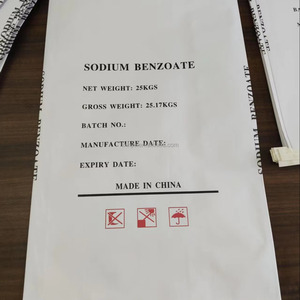
Efficiency-minded procurement departments are reducing transactional complexity by purchasing pea protein isolates in tandem with essential food additives (such as Sodium Benzoate, Potassium Sorbate, Sodium Acetate, and Citric Acid) from a unified distributor. Single-bill-of-lading consolidation dramatically reduces freight overhead and receiving labor.
American International Foods, Inc. (AIFI) provides industrial food and beverage manufacturers with the security of a resilient, transparent, and technically competent ingredient supply chain network.
Strategically positioned stocking warehouses across 48 US states guarantee rapid truckload (TL), less-than-truckload (LTL), and just-in-time (JIT) delivery, eliminating factory downtime.
Every shipment is accompanied by comprehensive specs, COAs, country-of-origin documentation, allergen declarations, Kosher, Halal, and Non-GMO certifications.
Our food scientists and R&D bench teams assist with functional equivalency matching, clean-label substitutions, cost-optimization reformulations, and sample provisioning.
Discuss your formulation requirements, request custom spec sheets, or lock in forward pricing with our specialized sourcing desk.
Contact Us