
Leading the Food Ingredient Supply Chain  |  2,500+ Ingredients · 48 States
Global Chemical & Food Ingredient Procurement Report

Top 10 Citric Acid Manufacturer & Exporter Analysis

Strategic Sourcing Guide, Market Dynamics, Quality Specifications (BP/USP/FCC), and Bio-Preservative Portfolio Benchmarks

2,500+
Bulk Ingredients Stocked
99.8%
Specification Accuracy
48
US States & Ports Served
100%
Audit-Ready COA & Traceability
High-Purity Industrial Portfolio

Featured Citric Acid & Food Preservative Solutions

Direct supply program covering primary acidulants, antimicrobial agents, clean-label plant extracts, and organic sodium salts for industrial processing lines.

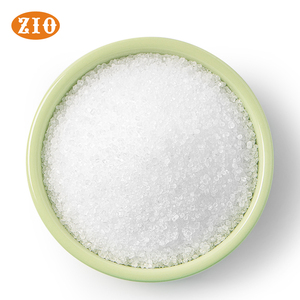
Natural Preservative Citric Acid Anhydrous E330
Primary Acidulant

Natural Preservative Citric Acid Anhydrous E330 for Food Beverage

Ultra-pure, granular bio-fermented acidulant. Essential for controlling pH, enhancing flavor profiles, chelating metal ions, and extending shelf-life in beverage and confectionery formulations.

CAS: 77-92-9 Grade: FCC / USP / BP Mesh: 12-40 Mesh
Get a Quote
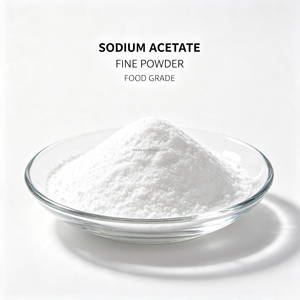
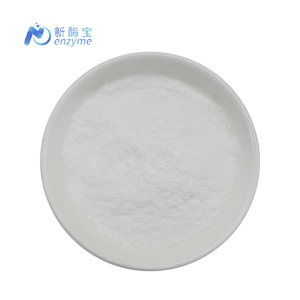
Anhydrous Sodium Acetate Food Grade Powder
Buffering Agent

High Purity 99% Anhydrous Sodium Acetate Food Grade Powder CAS 127-09-3

Fast-dissolving crystalline salt utilized for exact pH buffering, flavor regulation, and color stabilization across meat processing, snack seasoning, and industrial baking.

CAS: 127-09-3 Purity: ≥ 99.0% Shelf Life: 24 Mos
Get a Quote
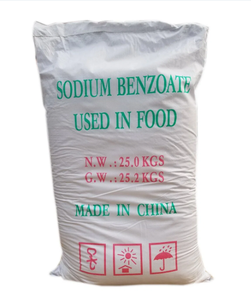
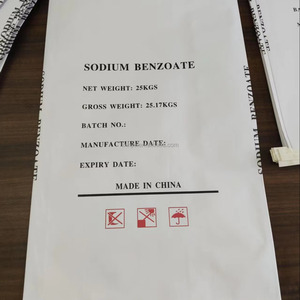
Sodium Benzoate Preservatives Powder
Antimicrobial Preservative

Sodium Benzoate Powder Food Grade 25kg Drum CAS 532-32-1

Highly efficient yeast and mold inhibitor specifically designed for acidic food matrices, carbonated beverages, fruit concentrates, and salad dressings.

CAS: 532-32-1 E-Number: E211 Pack: 25kg Fiber Drum
Get a Quote
Food Grade Potassium Sorbate 99% Granules
Fungal Inhibitor

Food Grade Potassium Sorbate 99% Granules Preservative For Bakery Cheese

Dust-free extruded granules providing high solubility and minimal sensory impact for cheese products, baked goods, wine stabilization, and dairy systems.

CAS: 24634-61-5 E-Number: E202 Form: Spherical Granules
Get a Quote
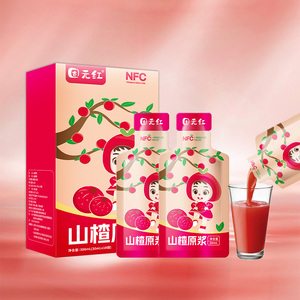
Natural Pure Hawthorn Fruit Puree Preservative
Clean-Label Acidulant

100% Natural Pure Hawthorn Fruit Puree HACCP & ISO Certified

Rich in native organic acids, flavonoid antioxidants, and pectin substances. Serves as a botanical bio-preservative and natural flavor modifier in organic beverage lines.

Cert: HACCP / ISO22000 Origin: 100% Hawthorn Clean Label
Get a Quote
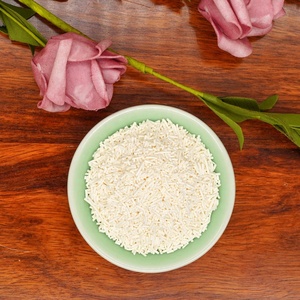
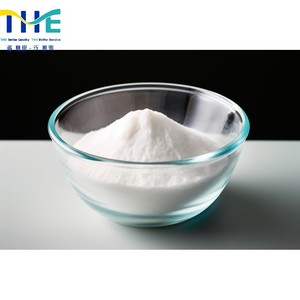
Food Grade Sodium Benzoate Preservative E211 Granules
Granular Preservative

Food Grade Sodium Benzoate E211 High Purity White Granule Kosher Halal

Non-dusting granular variant optimized for high-speed automatic dosing equipment in beverage bottling plants and industrial liquid condiment manufacturing.

CAS: 532-32-1 Form: Non-Dusting Granule Cert: Kosher / Halal
Get a Quote
Cinnamic Acid Powder Food Grade
Bio-Active Antioxidant

Antioxidants Food Grade Cinnamic Acid Powder CAS 140-10-3

Natural aromatic organic acid offering strong bio-active antimicrobial and lipid oxidation resistance for functional foods, cosmetics, and specialty flavor chemistry.

CAS: 140-10-3 Purity: ≥ 99.5% Function: Antioxidant
Get a Quote
Natural Food Preservative Epsilon-PolyLysine Hydrochloride
Bio-Fermented Peptide

Natural Food Preservative 95% Epsilon-PolyLysine (EPL) Hydrochloride

Broad-spectrum cationic biopolymer produced via *Streptomyces albulus* fermentation. Highly heat-stable bio-preservative ideal for cooked rice, seafood, and ready-to-eat meals.

Purity: ≥ 95.0% Thermal: Heat Stable Label: Natural Ingredient
Get a Quote
Formulation Benchmarks

Technical Specification & Functional Matrix

Comparative metrics for selection of acidulants and preservers in commercial food, beverage, and pharma applications.

Ingredient Name CAS / E-Number Optimal Operating pH Target Microorganisms Primary Industrial Application Regulatory Grade
Citric Acid Anhydrous 77-92-9 / E330 pH 2.5 – 4.5 Synergist / Metal Chelator Beverages, Confectionery, RTD Teas, Jams FCC / USP / BP / EP
Citric Acid Monohydrate 5949-29-1 / E330 pH 2.5 – 4.5 Synergist / Acidifier Dry Blends, Powders, Effervescent Tablets FCC / USP / BP
Sodium Benzoate 532-32-1 / E211 pH 2.5 – 4.0 Yeasts & Molds (Fungal) Carbonated Drinks, Fruit Juices, Pickles FCC / USP / NF
Potassium Sorbate 24634-61-5 / E202 pH 3.0 – 6.5 Molds, Yeasts, Catalase-Pos Bacteria Bakery, Cheese, Wine, Margarine, Sauces FCC / USP / BP
Epsilon-PolyLysine (EPL) 25104-18-1 / Ins 261 pH 2.0 – 9.0 Gram(+), Gram(-), Spores, Yeasts Ready-to-Eat Meats, Rice, Noodles, Seafood GRAS / Food Grade
Anhydrous Sodium Acetate 127-09-3 / E262(i) pH 4.0 – 6.0 Buffer / Flavor Regulator Processed Meat, Snack Seasoning, Soups FCC / Technical / Food Grade

Global Sourcing Dynamics: Evaluating the Top 10 Citric Acid Manufacturers & Exporters

Citric acid (C₆H₈O₇) stands as the world's most widely consumed organic acidifier and sequestering agent, accounting for over 70% of total global acidulant volume in food, beverage, pharmaceutical, and industrial applications. Global citric acid manufacturing capacity is heavily concentrated among elite bio-chemical refining conglomerates equipped with industrial-scale submerged fermentation infrastructure utilizing Aspergillus niger or specialized yeast strains on carbohydrate feedstocks (primarily corn starch hydrolysate, tapioca starch, and cane molasses).

For international procurement directors, supply chain VPs, and quality assurance leads, identifying top-tier global manufacturers requires navigating complex parameters: batch-to-batch crystal morphology consistency, heavy metal contamination thresholds (Lead, Arsenic, Mercury), compliance with international pharmacopeias (USP, BP, EP, FCC), carbon-neutral bioprocessing metrics, and freight supply chain resilience.

Supply Chain Insight: Global citric acid price movements are tied directly to substrate starch costs (corn/tapioca prices) and energy tariffs associated with high-temperature evaporative crystallization. Sourcing specialists must monitor substrate parity between Asian, European, and North American manufacturing hubs to structure optimal forward contracts.

Key Evaluation Metrics for Tier-1 Manufacturers & Exporters

Leading global exporters of Citric Acid Anhydrous and Monohydrate are evaluated across five critical operating standards:

  • Fermentation Bio-Yield & Strain Purity: Top manufacturers leverage genetically audited strains of Aspergillus niger operating in continuous-feed submerged bioreactors to achieve acid conversion efficiencies exceeding 85%, ensuring minimal residual sugar content in final crystal yields.
  • Refinement & Crystallization Technology: Multi-stage ion exchange refining combined with activated carbon decolorization produces extra-brilliant white crystals with clarity metrics exceeding 98% transmittance in aqueous solution.
  • Particle Size Distribution (Mesh Engineering): Precision screening allows tier-1 exporters to offer standardized mesh sizes tailored to specific processing equipment: Coarse Granular (10-30 mesh) for anti-caking bulk handling, Fine Granular (30-100 mesh) for beverage syrup room blending, and Powdered (100+ mesh) for dry mix sachets.
  • Comprehensive Quality Certifications: Tier-1 export facilities possess full international audit accreditations including ISO 22000, FSSC 22000, BRCGS, Kosher Pareve, Halal, and full compliance with FDA GRAS (Generally Recognized as Safe) guidelines.
  • Logistics Infrastructure & Moisture-Proof Packaging: High-density polyethylene (HDPE) lined polywoven bags or block-bottom paper valve bags with thermal desiccants to prevent moisture absorption and caking during transoceanic shipping.

Citric Acid Anhydrous vs. Monohydrate: Structural Chemistry & Selection Criteria

Understanding the thermodynamic and physical differences between Citric Acid Anhydrous (CAS 77-92-9) and Citric Acid Monohydrate (CAS 5949-29-1) is paramount for optimizing product formulation, processing efficiency, and shelf-life stability.

1. Citric Acid Anhydrous (C₆H₈O₇)

Anhydrous citric acid crystallizes from warm aqueous solutions at temperatures exceeding 36.6°C. It contains zero molecules of hydration water. With a dry molecular weight of 192.12 g/mol, Anhydrous provides a higher active acid content per kilogram compared to Monohydrate. It is the preferred choice for dry mix formulations, effervescent tablets, moisture-sensitive pharmaceutical powders, and concentrated syrup formulations where ambient moisture absorption could trigger premature reactions or caking.

2. Citric Acid Monohydrate (C₆H₈O₇·H₂O)

Monohydrate citric acid crystallizes from cold water solutions below 36.6°C, incorporating one molecule of water into its crystalline lattice structure (molecular weight 210.14 g/mol, approximately 8.57% water of crystallization by weight). Monohydrate dissolves rapidly with a characteristic endothermic cooling effect, making it exceptionally suited for liquid beverage blending, dairy acidulation, sauce manufacturing, and wet processing environments where hydration enthalpy is beneficial.

Future Procurement Trends in the Acidulant & Preservative Sector (2026–2030)

The global food ingredient supply chain is experiencing a structural evolution driven by clean-label consumer demand, tightening regulatory frameworks on synthetic additives, and geopolitical shifts toward localized supply chain buffers. Key procurement trends shaping the future of organic acids include:

1. Shift Toward Clean-Label & Synergistic Bio-Preservation

Industrial food processors are increasingly augmenting traditional chemical preservatives (such as Sodium Benzoate and Potassium Sorbate) with natural bio-fermented peptides like Epsilon-PolyLysine (EPL) and botanical extracts rich in native organic acids (e.g., Hawthorn puree concentrates). When formulated in combination with Citric Acid Anhydrous, these bio-preservatives achieve synergistic antimicrobial efficacy at significantly reduced usage rates, meeting clean-label demands while protecting shelf life.

2. Decarbonization & Green Synthesis Standards

Enterprise food and beverage manufacturers are establishing strict Scope 3 greenhouse gas reduction mandates. Consequently, procurement tenders now require citric acid suppliers to submit verified Life Cycle Assessments (LCAs). Exporters using renewable biomass energy, zero-liquid-discharge (ZLD) water recycling systems, and non-GMO corn substrates are securing preferential long-term supply contracts.

3. Multi-Origin Sourcing & Strategic Buffer Stocking

Single-region sourcing strategies have proven vulnerable to ocean freight disruptions, port congestion, and regional energy curtailments. Procurement departments are establishing multi-origin supply frameworks—coupling large volume contracts from Asian manufacturing giants with domestic JIT (Just-In-Time) distributor networks that maintain safety stock across regional inland warehouses.

Enterprise Supply Infrastructure

Why Procurement Leaders Partner With Us

Bridging global chemical manufacturing capabilities with local distribution accountability, technical documentation, and supply chain continuity.

Specification-First Sourcing

We match mesh size, solubility rates, heavy metal maximums, and crystal clarity directly to your production line specifications before issuing a commercial quotation, eliminating bench-test discrepancies.

Guaranteed Supply Continuity

Backed by multi-origin supplier relationships and strategically staged regional inventory hubs across North America and key export ports, ensuring your processing plant never faces stockouts.

Audit-Ready Documentation

Every shipment is backed by lot-specific Certificates of Analysis (COA), Technical Data Sheets (TDS), SDS, Allergen Declarations, Non-GMO verification, Kosher/Halal certificates, and country-of-origin trace data.

Procurement Knowledge Base

Frequently Asked Questions by Industrial Buyers

Expert guidance on specification selection, bulk packaging options, quality testing, and contract logistics.

What is the difference between Citric Acid Anhydrous and Citric Acid Monohydrate in food processing?
Citric Acid Anhydrous (C₆H₈O₇) contains no hydration water and provides approximately 8.5% higher potency by weight than Monohydrate. It is optimal for dry blends, powdered drink mixes, effervescent tablets, and moisture-sensitive formulations. Citric Acid Monohydrate (C₆H₈O₇·H₂O) contains one water molecule per citric acid molecule. It dissolves very rapidly with an endothermic cooling effect, making it ideal for wet beverage processing, syrups, sauces, and dairy acidulation.
Which mesh size of Citric Acid Anhydrous should I order for my manufacturing equipment?
Mesh size selection depends on your blending equipment and application:
Coarse Granular (12–30 Mesh): Best for high-volume automated dry blending where low dusting and high flowability are required.
Fine Granular (30–80 Mesh): The standard industry choice for rapid dissolution in beverage syrup tanks and liquid food processing.
Powdered (100+ Mesh): Used in dry seasoning rubs, confectionery coatings, and tablet pressing where immediate contact acidulation is necessary.
What quality documentation and certifications are provided with bulk shipments?
Every shipment comes complete with a lot-specific Certificate of Analysis (COA) confirming purity, moisture content, heavy metals (Pb, As, Hg), sulfate/chloride levels, and particle size distribution. Additional regulatory documentation available upon request includes Safety Data Sheets (SDS), Technical Data Sheets (TDS), Allergen Statements, Kosher Pareve, Halal, ISO22000/FSSC22000 certificates, and FDA GRAS compliance declarations.
How can buyers protect citric acid bags from caking during oceanic transit or humid storage?
Citric acid is hygroscopic and absorbs moisture when ambient relative humidity exceeds 65-70%. We mitigate caking by supplying product in multi-wall paper bags with sealed polyethylene (PE) inner liners or heavy-duty HDPE bulk bags (FIBCs). Pallets are stretch-wrapped with moisture-barrier film and packed with desiccant packs. Warehouse storage should be maintained below 24°C (75°F) and relative humidity below 60%.
Can bio-preservatives like Epsilon-PolyLysine replace traditional chemical preservatives?
Yes. Epsilon-PolyLysine (EPL) is a natural, bio-fermented cationic peptide that provides broad-spectrum inhibition against Gram-positive and Gram-negative bacteria, yeasts, and molds across a wide pH range (pH 2.0–9.0). Unlike sodium benzoate or potassium sorbate, EPL remains thermally stable under high-temperature pasteurization and retort processing while meeting clean-label ingredient declaration criteria.
What are the typical minimum order quantities (MOQ) and lead times for bulk export orders?
For domestic warehouse release within North America, MOQ starts at single pallet quantities (25kg bags x 40 bags = 1,000kg). For direct factory ocean container load (FCL) export contracts (typically 20-25 Metric Tons in a 20ft container), lead times range from 2 to 4 weeks depending on production schedules, destination port, and custom packaging requirements.

Optimize Your Acidulant & Preservative Supply Chain Today

Connect with our technical sourcing specialists to receive custom specification matching, volume contract pricing, and immediate sample dispatch for bench evaluation.