Leading the Food Ingredient Supply Chain  |  2,500+ Ingredients · 48 States

Top 10 Baking Powders Manufacturers & Exporters

Global Procurement Whitepaper & Industry Benchmark Guide for Commercial Food & Chemical Buyers
2,500+
Ingredients Stocked
48
US States Covered
100%
Audit-Ready COA Lots
FSMA
Compliant Distribution

Industrial Leavening Agents & Chemical Ingredients Overview

In high-capacity industrial bakeries, institutional food manufacturing, and chemical process blending, the choice of chemical leavening systems dictates dough rheology, gas release kinetics, crumb porosity, and finished product shelf-life. This industry whitepaper analyzes global supply chain dynamics, technical formulation standards, and procurement benchmarks for chemical leaveners, enzyme-based texture enhancers, and specialty commercial baking powders.

Featured Industrial Baking Ingredients & Formulations

Explore our curated portfolio of food-grade sodium bicarbonate, enzymatic dough strengtheners, aluminum-free leavening agents, and specialty baking mixes supplied for high-volume commercial production.

Custom Private Label Loose Setting Powder Customizable Easy Bake Finishing Powder
Custom Private Label Loose Setting Powder Easy Bake Finishing Powder
Micro-milled ultra-fine starch & mineral complex; customizable oil-control & thermal dispersion properties.
Get a Quote
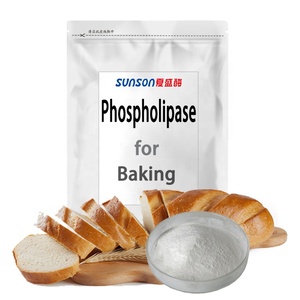
Phospholipase Enzyme Powder For Baking
Phospholipase Enzyme Powder For Baking & Dough Conditioning
Enzymatic crumb whitening, gluten matrix reinforcement, fine lipid emulsification, and softness extension.
Get a Quote
European Food Grade Ammonium Bicarbonate
Baking Powder European Food Grade Ammonium Bicarbonate (E503)
High-purity volatile expansion agent designed for low-moisture crisp biscuits, wafers, and crackers.
Get a Quote
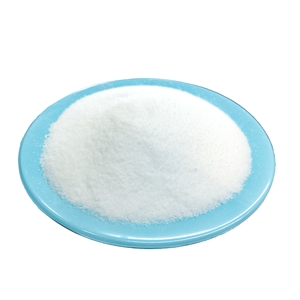
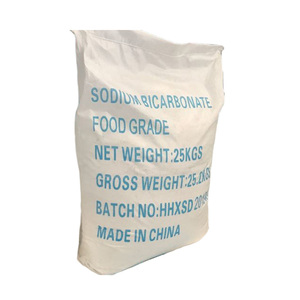
CAS 144-55-8 Baking Soda Food Grade Sodium Bicarbonate
CAS 144-55-8 Food Grade Sodium Bicarbonate (Baking Soda)
Standard alkaline CO2 source; specific mesh sizing available for industrial dough batching and pH buffering.
Get a Quote
Aluminum-Free Baking Powder 25kg Bakery Leavening Agent
Aluminum-Free Commercial Baking Powder 25kg Bulk Bag
Double-acting formula for commercial bread, cakes, and muffins; eliminates metallic residue & bitterness.
Get a Quote
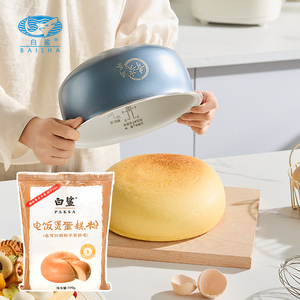
Wholesale White Shark Sponge Cake Premix Powder
Commercial Sponge Cake Premix Powder (No-Oven / Steam Adaptable)
Standardized flour-leavening-emulsifier premix engineered for volume consistency and fast hydrate distribution.
Get a Quote
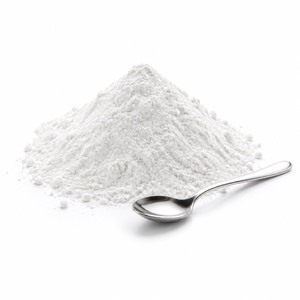
Chemical Formula NaHCO3 Sodium Bicarbonate Bulk
Industrial Grade Chemical NaHCO3 Sodium Bicarbonate Supply
Bulk technical and FCC food grade NaHCO3 for commercial food processing, feed, and pH neutralizing systems.
Get a Quote
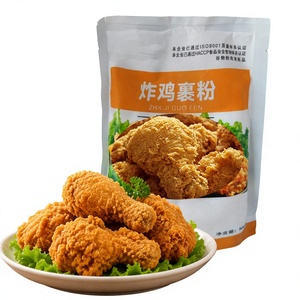
Fried Chicken Coating Powder Flour Mix Professional Breading
Professional Fried Chicken Breading & Coating Powder Mix
High-crisping starch-leavener formulation designed for commercial deep-fat fryers and food service chains.
Get a Quote

Global Industry Analysis: Selecting Top Baking Powder Manufacturers

The global chemical leavening market is undergoing a rapid transition toward clean-label compliance, sodium reduction, and continuous automated batching compatibility. Food manufacturers sourcing industrial baking powder, sodium bicarbonate (NaHCO3), ammonium bicarbonate (NH4HCO3), and enzymatic improvers must evaluate export partners based on stringent regulatory parameters, lot-to-lot consistency, and chemical kinetic profiling.

Neutralization Value (NV) Calibration

Industrial baking powder efficiency relies on balancing alkaline sources with leavening acids (such as Monocalcium Phosphate, SAPP, or SALP). Top manufacturers provide customized NV specifications to match specific dough dwell times and baking thermal curves.

Double-Acting Reaction Kinetics

Modern fast-paced bakery lines require precise control over Initial Rate of Reaction (ROR). Slow-release acidulants ensure minimal gas generation during ambient mixing, focusing carbon dioxide generation inside the oven cavity for maximum specific volume.

Clean Label & Aluminum-Free Formulations

Regulatory restrictions by EFSA and FDA regarding dietary aluminum exposure have pushed commercial exporters to adopt monocalcium phosphate and sodium acid pyrophosphate combinations, eliminating Sodium Aluminum Phosphate (SALP) without sacrificing crumb structure.

Chemical & Functional Comparison of Key Leavening Agents

A technical guide for industrial procurement officers and R&D formulation experts evaluating raw material specifications:

Leavening Chemical / Agent Primary Application CO2 Evolution Stage Key Advantage Regulatory & Export Grade
Sodium Bicarbonate (NaHCO3) General Bakery, Biscuits, Cake Mixes Thermal & Acid Activation Universal alkaline source, high solubility FCC Grade, E500, Kosher/Halal
Ammonium Bicarbonate (E503) Low-moisture Wafers, Crackers, Biscuits Thermal breakdown (>60°C) Leaves zero moisture or residual salt in dry bakes European Food Grade, ISO 22000
Phospholipase Enzymes Dough Conditioners, Bread Lines Fermentation & Proofing Natural emulsification, crumb whitening, lipid alteration Non-GMO Project Verified, Clean Label
Aluminum-Free Double-Acting Blend Commercial Muffins, Frozen Doughs Two-stage (20% Mix / 80% Bake) Zero metallic aftertaste, controlled oven spring FDA Approved, FSMA Compliant

Future Sourcing & Technology Trends in Commercial Baking Powders

As commercial bakeries scale throughput and global supply chains encounter climate-driven raw material price fluctuations, ingredient procurement strategy is shifting from spot buying to strategic forward contracting and technological replacement.

1. Enzymatic Replacement of Chemical Additives

High-volume bakeries are increasingly combining bio-catalytic enzymes (such as phospholipase, fungal alpha-amylase, and xylanase) with lower dosage chemical leaveners. Enzymatic matrix conditioning increases gas retention in the gluten structure, allowing food engineers to reduce chemical baking powder usage by up to 15% while improving overall loaf volume and crumb softness.

2. Sodium Reduction via Potassium & Calcium Bicarbonates

With global health authorities enforcing strict front-of-pack sodium warnings, industrial exporters have commercialized Potassium Bicarbonate (KHCO3) and Calcium Carbonate buffer blends. These formulations maintain gas production kinetics while reducing overall finished-product sodium content by 25% to 40% without compromising dough rise.

3. Micro-Encapsulation for Frozen Dough Stability

The growth of unbaked frozen bakery products has created strong demand for encapsulated sodium bicarbonate and encapsulated citric/tartaric acids. Micro-encapsulated coatings (using hydrogenated vegetable fats) prevent premature reaction during freeze-thaw cycles, releasing the gas exclusively inside the commercial deck or rack oven.

4. Multi-Origin Sourcing & Supply Chain Resiliency

Leading industrial food brands are abandoning single-source reliance. Partnering with distributors that maintain multi-origin producer approvals and strategic regional warehouse networks across North America and Europe guarantees uninterrupted production when regional soda ash or phosphate raw material disruptions occur.

Why Top Global Brands Partner With Us for Ingredient Sourcing

Navigating complex ingredient supply chains requires a distributor built for industrial production reality: strict specification matching, volatile commodity hedging, and non-negotiable delivery schedules.

2,500+ Ingredient Portfolio

From chemical leavening agents and dairy powders to starches, hydrocolloids, and dried egg products, we streamline procurement by consolidating hundreds of line items into a single accountable supply contract.

48-State & Global Logistics

Our strategically located warehouse network supports truckload (TL), less-than-truckload (LTL), and just-in-time (JIT) replenishment programs to ensure your production lines never experience downtime.

Audit-Ready Documentation

Every shipment is accompanied by complete batch documentation, Certificates of Analysis (COA), allergen control statements, nutritional datasheets, and Kosher/Halal/Organic certifications to fast-track quality audits.

Baking Powder Procurement & Technical FAQ

What is the key functional difference between single-acting and double-acting commercial baking powder?
Single-acting baking powders release carbon dioxide immediately upon contact with liquid ingredients at room temperature, requiring immediate oven loading. Double-acting baking powders utilize a two-stage acid release: a small initial gas release during wet mixing (typically triggered by monocalcium phosphate) followed by a secondary, larger gas release inside the high-temperature environment of the oven (triggered by sodium acid pyrophosphate or similar heat-activated acids). Double-acting formulas are essential for commercial bakeries with high dough dwell times.
Why are industrial food manufacturers transitioning to aluminum-free baking powder formulations?
Sodium Aluminum Phosphate (SALP) and Sodium Aluminum Sulfate (SAS) have historically been used as cost-effective slow-acting acids. However, concerns regarding dietary aluminum intake, international import restrictions (particularly in the European Union under EFSA regulations), and potential metallic off-flavors have led manufacturers to specify aluminum-free formulations. Modern aluminum-free double-acting powders achieve identical oven spring without sensory or regulatory drawbacks.
How does Phospholipase enzyme powder complement traditional chemical leavening agents?
Phospholipase acts as a bio-catalytic gluten and lipid modifier. Rather than generating gas directly like sodium bicarbonate, phospholipase modifies the naturally occurring polar lipids in wheat flour to create superior emulsification properties. This reinforces gluten elasticity, allowing the dough matrix to trap carbon dioxide more efficiently. The result is increased loaf volume, a whiter crumb structure, and enhanced moisture retention over long shelf lives.
What quality and compliance documentation is provided with bulk ingredient exports?
All bulk shipments of food-grade sodium bicarbonate, ammonium bicarbonate, and specialty baking powders include lot-specific Certificates of Analysis (COA), detailed product specification sheets, Safety Data Sheets (SDS), allergen management statements, FSMA compliance certificates, country-of-origin declarations, and, when requested, Kosher, Halal, Organic, or Non-GMO certifications.
Can custom blending and private label formulations be engineered for specialized dough systems?
Yes. Custom formulation teams can adjust neutralization values, particle mesh sizes, moisture barriers, and active gas yields to suit automated biscuit lines, continuous bread proofers, microwave-active batters, or high-altitude bakery operations. Packaging formats range from 25kg multi-wall paper bags to 1,000kg super sacks.

Optimize Your Ingredient Supply Chain Today

Whether you require high-purity food grade Sodium Bicarbonate, specialty European Ammonium Bicarbonate, or custom clean-label enzymatic dough improvers, our technical sourcing desk is ready to deliver sample kits, specification sheets, and competitive contract pricing.

Get a Quote