Explore our core, spec-verified plant protein enhancers, shelf-life extenders, and organic preservatives engineered for high-throughput food & beverage manufacturing.
A comprehensive technical examination of plant-derived isolate and concentrate processing, functional matrix optimization, clean-label stabilization, and global supply chain resilience.
The operational landscape for commercial food, beverage, and sports nutrition manufacturing is undergoing a structural transition. Consumer demand for clean-label, non-allergenic, and sustainable plant-based nutrition has elevated plant protein formulations from niche health-store alternatives to mainstream, high-volume production lines. However, substituting animal proteins (such as whey, casein, or egg albumen) with botanical protein matrices presents complex biophysical challenges, including off-note masking, solubility limitations, gelation instability, and thermal denaturation during ultra-high temperature (UHT) processing.
As a premier Custom OEM Plant Proteins Manufacturer & Supplier, our engineering paradigm is built around solving these exact functional bottlenecks. By combining state-of-the-art wet/dry fractionation technologies with precise enzymatic modification and micro-encapsulation, we provide multi-national CPG brands and contract manufacturers (co-packers) with tailor-made plant protein isolates, concentrates, and functional pre-blends that deliver uncompromised organoleptic performance and physical stability.
To successfully integrate plant proteins—derived from yellow pea, brown rice, fava bean, pumpkin seed, mung bean, hemp, or sunflower—into industrial processing lines, food scientists must evaluate several non-negotiable functional parameters:
| Functional Property | Biophysical Mechanism | Key Application Relevance | OEM Customization Strategy | }
|---|---|---|---|
| Nitrogen Solubility Index (NSI) | Ratio of soluble nitrogen to total nitrogen in aqueous solution across pH ranges (pH 2.5–7.5). | Ready-to-Drink (RTD) beverages, clear protein waters, acidic sports shots. | Enzymatic hydrolysis (deamidation) to shift the isoelectric precipitation point. |
| Water Binding Capacity (WBC) | Hydrogen bonding and physical entrapment of water within the unfolded protein matrix. | Meat analogues, high-moisture extrusion (HMEC), bakery crumb retention. | Controlled thermal pre-treatment and mechanical shear particle size reduction. |
| Emulsification Capacity (EC) & Stability | Adsorption rate of hydrophobic protein domains at the oil-water interface to lower interfacial tension. | Plant-based dairy alternatives, dressings, sauces, gravies, and creamer systems. | Cross-linking with naturally derived hydrocolloids and lecithin standardization. |
| Gelation & Viscosity Profile | Formation of a three-dimensional heat-induced gel network via disulfide bond cross-linking. | Structured plant-based cheeses, egg-replacer bakery systems, nutritional bars. | pH adjustment, ionic strength regulation, and tailored concentrate-to-isolate ratios. |
Achieving superior protein quality requires strict monitoring of digestibility scores. While animal proteins historically dominated due to complete amino acid profiles, custom OEM blending allows us to formulate complementary botanical pairs (e.g., Pea Protein + Rice Protein or Fava Bean Protein + Pumpkin Seed) to achieve a Protein Digestibility-Corrected Amino Acid Score (PDCAAS) of 1.00 or a high Digestible Indispensable Amino Acid Score (DIAAS), satisfying stringent FDA and EFSA nutritional claim requirements.
Our OEM manufacturing facilities utilize multi-stage processing equipment optimized to eliminate anti-nutritional factors (such as phytates, trypsin inhibitors, and tannins) while preserving native protein structure and bioactivity.
Non-thermal, chemical-free physical separation designed for organic certified pulse and grain flours. By leveraging air classification wheels, we isolate protein-rich starch fractions without inducing thermal stress or protein denaturation.
High-purity liquid extraction lines capable of producing plant protein isolates with protein dry-basis purity exceeding 85% to 90%. Includes multi-stage membrane filtration (ultrafiltration and nanofiltration) to eliminate bitter saponins and hexanal off-flavors.
Controlled proteolytic cleavage tailored to yield specific peptide molecular weight distributions. Reduces solution viscosity, enhances solubility under cold-water conditions, and optimizes rapid gastrointestinal absorption profiles for clinical and sports nutrition.
In addition to protein isolation, our facilities excel in Custom Dry Blending and Micro-Encapsulation. Raw plant proteins often suffer from chalkiness or gritty mouthfeel caused by insoluble macro-particles (>50 microns). Through ultra-fine jet milling and agglomeration, we achieve uniform particle size distribution (<25 microns), resulting in silky-smooth textures in liquid applications. Furthermore, our state-of-the-art micro-encapsulation lines coat sensitive botanical lipids and volatile flavors, protecting them from oxidation and off-gas formation over a 24-month shelf life.
As part of our commitment to industrial supply chain reliability, our manufacturing operations leverage the global sourcing network and regulatory compliance architecture of American International Foods, Inc. (AIFI). Distributing over 2,500 food and beverage ingredients across all 48 contiguous U.S. states, AIFI provides the foundational scale required to backstop large-scale OEM supply agreements.
Procurement directors and strategic sourcing managers must navigate a rapidly evolving market landscape. Based on market intelligence compiled by our sourcing desks, several major macro-trends will define plant protein purchasing strategy over the coming decade:
While soy and pea protein remain volume leaders, procurement teams are rapidly diversifying into upcycled side-stream proteins (such as barley protein derived from spent brewer grains) and novel crops (such as duckweed/lemna, sunflower seed isolate, and canola protein). These feedstocks offer superior sustainability metrics, low carbon footprints, and exceptional allergen-free positioning.
The boundary between traditional botanical extraction and cellular agriculture is blurring. High-volume manufacturers are deploying hybrid matrices combining high-yield plant protein bases (e.g., fava bean isolate) with fermentation-derived precision proteins (such as bio-identical whey or heme proteins) to match the exact melting, whipping, and stretch properties of traditional dairy and meat formulations.
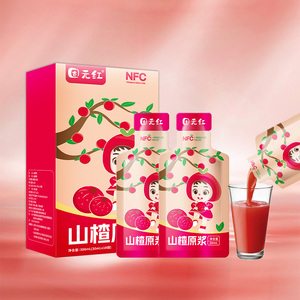
Global regulatory oversight regarding ultra-processed foods (UPF) is tightening. Consumers increasingly reject chemical-sounding emulsifiers (like polysorbates or carboxymethylcellulose). Future-proof formulations rely on physically modified plant protein isolates combined with natural bio-preservatives like Cinnamic Acid Powder or fermented hawthorn purees to achieve extended shelf life without compromising clean-label declarations.
Agricultural commodity volatility requires sophisticated procurement mechanisms. Leading CPG firms are shifting away from pure spot-market purchasing toward 12-to-24 month forward coverage contracts tied to crop harvest schedules. Our supply chain portal offers buyers fixed-tier pricing, vendor-managed inventory (VMI), and strategic safety stock warehousing in regional hubs across 48 states.
Our custom OEM plant proteins are engineered to integrate seamlessly into diverse commercial processing environments. Below is a breakdown of optimized applications and recommended protein formulation architectures:
| Target Food Category | Processing Strain / Stress | Recommended OEM Protein System | Synergistic Functional Additives |
|---|---|---|---|
| Ready-to-Drink (RTD) Beverages | UHT / Retort sterilization, low pH stability, sedimentation risks. | Enzymatically hydrolyzed Pea Isolate + Soluble Canola Isolate (NSI > 90%). | Citric Acid Anhydrous E330, Sodium Citrate, Lecithin, Gellan Gum. |
| Plant-Based Meat Analogues | High-Moisture Extrusion (HMEC), high shear, thermal gelation demands. | Texturized Pea Protein (TPP) + High-Gel Fava Bean Isolate. | Sodium Acetate / Potassium Sorbate (Shelf-life & Microbial Control). |
| Nutritional & Bakery Bars | Protein hardening over shelf life, water activity (a_w) control, cold extrusion. | Agglomerated Pumpkin Seed Protein + Rice Protein Isolate. | Epsilon-PolyLysine (EPL) Hydrochloride, Vegetable Glycerin. |
| Dairy Alternative Yogurt & Cheeses | Fermentation acid stress, syneresis (water separation), emulsification. | Micro-milled Mung Bean Isolate + Hydrolyzed Sunflower Protein. | Natural Hawthorn Fruit Puree Preservative, Starter Cultures, Calcium Phosphate. |
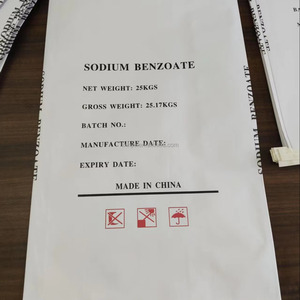
| Gluten-Free Bakery Products | Lack of gluten network, structural collapse, dryness, crumb degradation. | Custom Pulse Blend (Pea Isolate + Chickpea Flour + Hydrocolloids). | Sodium Benzoate E211, Enzymes (Amylase), Xanthan Gum. |
Clear, authoritative answers to common inquiries from procurement directors, R&D formulation scientists, and quality assurance managers.
Whether you require a high-solubility pea protein isolate for an RTD beverage line, a custom texturized pulse protein for meat analogues, or a comprehensive market quote backed by complete technical documentation—our formulation team is ready to assist.