Leading the Food Ingredient Supply Chain  |  2,500+ Ingredients · 48 States

Custom OEM Liquid Albumen Factories & Factory

Industrial Liquid Egg White Processing, Technical Specifications & Supply Chain Engineering Whitepaper

Technical Additives & Preservative Solutions

Industrial Formulations & Product Portfolio

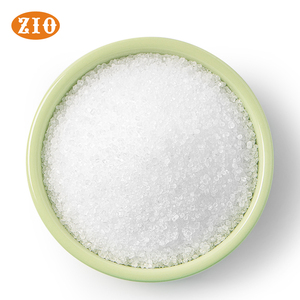
Natural Preservative Citric Acid Anhydrous E330
Natural Preservative Citric Acid Anhydrous E330 for Food Beverage
Contact Us
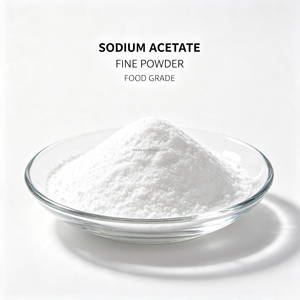
Anhydrous Sodium Acetate Food Grade Powder
High Purity 99% Anhydrous Sodium Acetate Food Grade Powder Preservative CAS 127-09-3
Contact Us
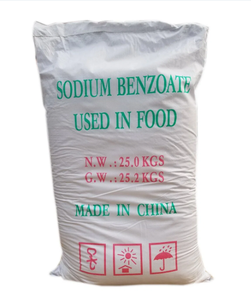
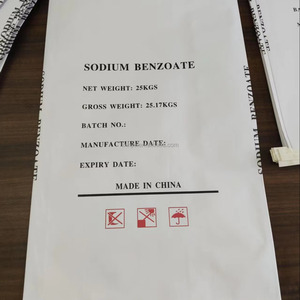
Sodium Benzoate Preservatives Food Grade 25kg Drum
Sodium Benzoate Preservatives & Sweeteners Powder Food Grade 25kg Drum
Contact Us
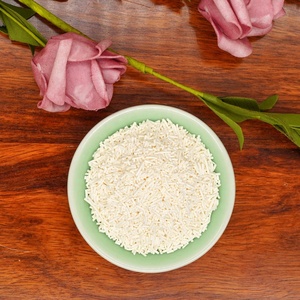
Food Grade Potassium Sorbate Granules
Food Grade Potassium Sorbate 99% Granules Preservative For Bakery Cheese
Contact Us
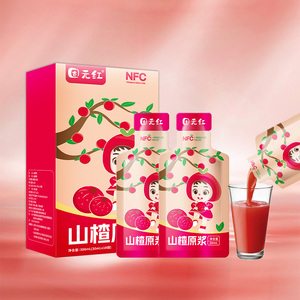
Hawthorn Fruit Puree Preservatives
100% Natural Pure Hawthorn Fruit Puree Preservatives HACCP & ISO Certified
Contact Us
Food Grade Sodium Benzoate E211 Granule
Food Grade Sodium Benzoate Preservative E211 CAS 532-32-1 High Purity White Granule
Contact Us
Food Grade Cinnamic Acid Powder
Wholesale Price Preservative & Antioxidants Food Grade Cinnamic Acid Powder CAS140-10-3
Contact Us
Natural Food Preservative Epsilon-PolyLysine Hydrochloride
Novenzyme Supply Natural Food Preservative 95% Epsilon-PolyLysine (EPL) Hydrochloride
Contact Us
2,500+
Active Skus Stocked
48
States Delivered JIT
100%
FSMA & COA Traceability
57.5°C
Precision HTST Target
Executive Sourcing Guide

Industrial Spectrum of Custom OEM Liquid Albumen Processing

Liquid egg albumen—commonly referred to as liquid egg white—represents one of the most functionally complex bio-polymeric ingredients utilized across industrial baking, meat processing, confectionery matrix construction, and high-protein beverage formulations. Derived directly from cracked shell eggs via mechanical separation, raw egg albumen is comprised of approximately 88% water and 10–12% native protein, primarily consisting of ovalbumin (54%), transferrin/conalbumin (12%), ovomucoid (11%), globulins (8%), and lysozyme (3.5%). Each protein fraction plays a decisive role in gelling kinetics, foam expansion ratio, and thermal denaturation behavior under commercial processing constraints.

For industrial food manufacturers, procurement teams, and corporate R&D departments, sourcing from specialized OEM liquid albumen factories requires a rigorous evaluation of plant capabilities. Modern liquid albumen manufacturing extends far beyond simple egg breaking; it demands state-of-the-art centrifugal filtration, high-efficiency heat exchangers for precise High-Temperature Short-Time (HTST) pasteurization, automated pH stabilization, enzymatic desugaring (glucose removal via glucose oxidase/catalase systems), clean-room packaging, and cold-chain logistics protocols engineered to eliminate microbiological risks while preserving protein functionality.

Custom Solids Optimization

Standard liquid albumen contains 11.0% to 12.0% total egg solids. Custom OEM factories leverage reverse osmosis and ultrafiltration to manufacture concentrated liquid albumen ranging from 15% to 22% solids for ultra-dense protein fortification.

Enzymatic Glucose Removal

To prevent Maillard browning, off-flavors, and protein cross-linking during shelf-life or subsequent drying processes, OEM facilities utilize targeted enzymatic treatments to reduce free glucose levels to below 0.1%.

HTST Thermal Safety

Thermal pasteurization parameters are calibrated tightly (e.g., 56.5°C to 57.5°C for 3.5 to 6.0 minutes) to achieve a minimum 5-log reduction of Salmonella enteritidis without triggering premature protein coagulation.

Rheological & Functional Performance Benchmarks

When selecting a custom OEM liquid albumen supplier, quality control specifications must align with specific food processing applications. Unlike commodity ingredients, liquid albumen exhibits rheological variations based on flock age, hen feed composition, separation efficiency, and thermal history during processing.

Functional Parameter Standard Liquid Albumen Concentrated OEM Albumen High-Whip / Acidified Spec Primary Industrial Utility
Total Solids (%) 11.0% - 12.2% 15.0% - 22.0% 11.5% - 12.5% Base recipe formulation & yield scaling
pH Value 8.8 - 9.3 (Fresh) 8.5 - 9.2 6.8 - 7.4 (Adjusted) Protein charge & thermal gelation onset
Overrun / Foam Height 600% - 800% 500% - 700% 900% - 1100% Angel food cake, meringue & nougat aeration
Bloom Gel Strength (g) 350g - 450g 550g - 750g 400g - 500g Surimi, meat binding & noodle texture
Drainage Volume (Meringue) < 5.0 mL / 30 min < 3.0 mL / 30 min < 1.5 mL / 30 min Syneresis suppression in baked goods
Microbiological Limit < 10,000 CFU/g SPC < 5,000 CFU/g SPC < 2,500 CFU/g SPC Pathogen-free compliance (Zero Salmonella)

Industrial Applications Architecture & Matrix Integration

The operational versatility of liquid albumen makes it an indispensable structural protein across multiple sector verticals. Modern OEM liquid albumen factories work closely with food engineers to tailor viscosity, pH, and whipping aids (such as triethyl citrate or sodium lauryl sulfate, where permitted) to optimize processing line performance.

1. High-Speed Commercial Bakery Lines

In angel food cakes, macaroons, sponge cakes, and gluten-free breads, liquid egg albumen acts as the primary gas-retaining matrix. During whipping, denaturing ovalbumin forms a cohesive viscoelastic film around air bubbles. Upon baking, heat-induced coagulation (denaturation starting at ~62°C and completing around 80°C) locks in the expanded cell structure, imparting crumb elasticity and preventing structural collapse.

2. Processed Meats & Seafood Surimi

Liquid albumen functions as a powerful thermal binder and water-holding enhancer in structured meats, sausages, and fish paste (surimi). When exposed to heat, ovalbumin and ovotransferrin form an irreversible, hydrophobic 3D gel network that traps free moisture and lipids, improving bite firmness (Bloom strength) and eliminating fat separation during extrusion and cooking cycles.

3. Confectionery & Aerated Confections

Nougat, marshmallows, and fondant creams rely on liquid egg white albumen to establish fine, uniform foam suspensions. Standardized OEM liquid albumen ensures predictable overrun percentage and whip stability, preventing syneresis and sugar crystallization over extended ambient shelf life.

4. Wine Fining & Beverage Clarification

Due to its high concentration of positively charged proteins at neutral pH, liquid albumen is utilized in enology and fruit juice processing to clarify liquids. It electrostatically binds with negatively charged bitter tannins, polyphenols, and colloidal particulates, allowing clean sedimentation without stripping sensory flavor top-notes.

Future Procurement Trends in Global Liquid Egg Sourcing

The global market for industrial liquid egg ingredients is undergoing a structural paradigm shift driven by legislative mandates, volatile feed input costs, and shifting consumer preferences. B2B procurement professionals must navigate several key supply-chain developments over the coming decade:

  • Transition to Cage-Free and Free-Range Mandates: Global retail and foodservice brands are rapidly approaching 100% cage-free compliance deadlines. Custom OEM factories are re-engineering raw egg receiving facilities to segregate conventional, cage-free, organic, and non-GMO liquid albumen streams with zero cross-contamination.
  • Highly Pathogenic Avian Influenza (HPAI) Resilience: Outbreaks of HPAI create severe supply shocks in localized egg basins. Strategic procurement relies on partners with multi-regional breakage operations and global logistics capability to maintain uninterrupted tanker deliveries.
  • Natural Preservative Integration & Clean-Label Extended Shelf Life (ESL): Conventional chilled liquid albumen has a limited shelf life of 7 to 14 days. To extend usability to 30–60 days without resorting to chemical preservatives, advanced OEM facilities integrate natural biopreservatives (such as Epsilon-PolyLysine Hydrochloride or organic acid buffers like Citric Acid / Sodium Acetate) alongside aseptic cold-filling lines.
  • Precision Forward Contracting & Hedging Curves: To manage extreme market price fluctuations in egg benchmark markets, industrial buyers are migrating from spot market reliance toward multi-quarter cost-plus contracting models tied to feed index benchmarks.
Contact Us

Enterprise Infrastructure: Why Top Food Manufacturers Partner with AIFI

As an industry-leading bulk food ingredient supplier and distributor, American International Foods, Inc. (AIFI) provides food and beverage manufacturers with seamless access to high-spec liquid albumen and functional additives across all 48 contiguous states. Our operating framework is engineered around supply-chain transparency, technical rigors, and operational continuity.

2,500+ Stocked Skus

We manage an extensive portfolio of food ingredients, including liquid, dried, and frozen egg products, hydrocolloids, preservatives, starches, and functional proteins, allowing manufacturers to consolidate purchase orders under one vendor account.

48-State Distribution

Our strategically located nationwide warehouse network guarantees Just-In-Time (JIT) deliveries for refrigerated liquid totes, aseptic drums, bulk tankers, and dry pallets, mitigating holding costs and storage risks for your facility.

Audit-Ready Documentation

Every shipment is backed by batch-specific Certificates of Analysis (COA), detailed Product Specification Sheets, Allergen Statements, Nutritional Breakdown Data, and Kosher / Halal / Non-GMO verification paperwork.

Technical FAQ

Frequently Asked Procurement Questions

What packaging formats are available for OEM liquid albumen shipments?
OEM liquid egg albumen is available in multiple commercial packaging formats tailored to plant scale: 20-kg bag-in-box cartons, 200-kg (55-gallon) aseptic food-grade drums, 1,000-kg (275-gallon) reconditioned or single-use liquid totes (IBCs), and insulated stainless-steel bulk road tankers delivering up to 45,000 lbs of refrigerated liquid per load.
How is liquid albumen protected against thermal denaturation during pasteurization?
Because ovalbumin and conalbumin begin denaturing near 60°C, liquid albumen pasteurization requires tighter temperature bands than whole egg or yolk. OEM processors use computer-controlled plate heat exchangers (PHE) operating precisely between 56.5°C and 57.5°C with held residence times of 3.5 to 6 minutes. In some specifications, pH modification or aluminum sulfate addition is utilized to stabilize conalbumin against heat precipitation while ensuring 100% pathogen inactivation.
Can custom pH and viscosity profiles be produced for specialized baking lines?
Yes. Custom OEM liquid albumen factories can adjust the natural pH of fresh albumen (which naturally rises from ~7.6 to 9.2 over time as CO2 escapes) down to neutral or slightly acidic levels (pH 6.8 - 7.2) using food-grade organic acids (citric acid or lactic acid). Acidified liquid albumen exhibits superior foaming speed and bubble stability in high-speed cake batter processing.
What is the shelf life of raw pasteurized liquid albumen vs aseptic ESL albumen?
Standard pasteurized liquid albumen stored under strict refrigeration (1°C to 4°C) maintains full functionality for 7 to 14 days. Ultra-pasteurized or aseptic ESL (Extended Shelf Life) liquid albumen, packaged under sterile clean-room conditions with optional biopreservatives (such as potassium sorbate, sodium benzoate, or epsilon-polylysine), can achieve refrigerated stability ranging from 30 to 60 days without compromising foam capacity.
How does enzymatic desugaring impact liquid egg white shelf life?
Naturally occurring glucose (~0.4% in fresh albumen) reacts with proteins via the Maillard browning pathway during pasteurization, thermal storage, or spray drying. By dosing liquid albumen with glucose oxidase and catalase enzymes prior to final packaging, free glucose is converted into gluconic acid. This process eliminates enzymatic browning, off-odors, and solubility loss during long-term storage.
What quality documentation accompanies an AIFI ingredient delivery?
Every shipment is supported by complete traceability paperwork: batch COA verifying total solids, pH, microbiological counts (SPC, Coliforms, E. coli, Salmonella), country-of-origin certificate, allergen declaration, specification sheet, and relevant religious or non-GMO certifications (Kosher, Halal, USDA Organic).
How can R&D teams evaluate liquid albumen replacements or cost-reduction blends?
AIFI’s technical R&D team works directly with food technologists to test functional equivalents, plant-protein hydrocolloid extenders, or custom dried egg white substitutes. We supply benchtop test samples, starting formulas, and pilot-scale evaluation lots to streamline product development cycles.
What market intelligence resources are offered to manage price volatility?
AIFI publishes comprehensive Weekly Market Reports covering egg, dairy, and grain pricing trends. Updated every Friday by our senior commodity traders, these reports detail market sentiment, supply disruptions, and price forecasts so procurement teams can execute forward contracts at optimal timing windows.

Optimize Your Liquid Albumen Supply Chain Today

Whether you require custom solids concentration, extended shelf-life aseptic totes, or dedicated cage-free contract volume, our ingredient specialists are ready to engineer a procurement solution built for your production lines.

Contact Us