
Global Industrial Supply, Advanced Micro-Encapsulation, Synergy Blending & Full Regulatory Compliance for Worldwide Food & Beverage Processors
Explore our standardized product line available for wholesale distribution, custom OEM re-formulation, high-purity batch synthesis, and private-label contract packaging.
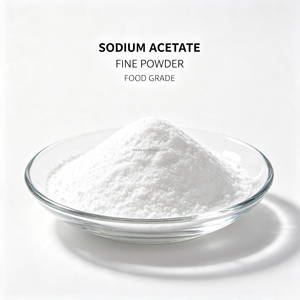
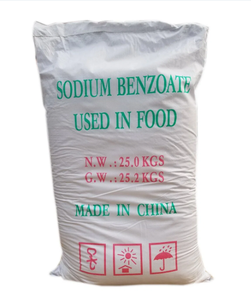

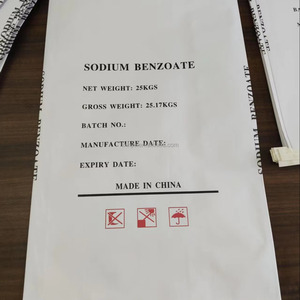
As a global food ingredient manufacturer and wholesale distributor operating across extensive commercial manufacturing lines, we consolidate complex chemical synthesis, bio-fermentation, and precision physical blending into a streamlined, single-source manufacturing partnership.
We utilize fluid-bed spray drying and lipid-coating encapsulation to shield volatile organic acids like Sorbic Acid or Malic Acid. This prevents premature reactions during dough mixing and releases active antimicrobials strictly during thermal processing cycles.
Single-agent preservatives frequently encounter strain resistance or organoleptic limitations. Our factory formulates optimized synergistic compounds (e.g., Sodium Acetate + Potassium Sorbate + Citric Acid) that lower the overall Minimum Inhibitory Concentration (MIC) while protecting food flavor profiles.
Every commercial production batch undergoes High-Performance Liquid Chromatography (HPLC) testing and micro-challenge assays. We supply comprehensive regulatory dossiers including Certificates of Analysis (COA), Allergen Statements, Non-GMO verification, Kosher, Halal, and FSMA-compliant HACCP documentation.
Food degradation is driven by microbial proliferation (bacteria, yeasts, molds) and oxidative chemical deterioration. Effective OEM preservation strategies target specific cell pathways and water activity mechanisms.
Organic acid preservatives such as Benzoic Acid ($pK_a = 4.19$) and Sorbic Acid ($pK_a = 4.76$) rely strictly on their undissociated molecular state to cross microbial cell membranes. Once inside the neutral cytoplasm (pH ~7.0), the acid dissociates, releasing protons ($H^+$), lowering intracellular pH, disrupting ATP synthesis, and terminating cell metabolism.
| Preservative Compound | CAS Number | Target Microorganisms | Optimal pH Spectrum | Typical Industrial Dosage | Primary Commercial Applications |
|---|---|---|---|---|---|
| Potassium Sorbate (E202) | 24634-61-5 | Molds, Yeasts, Select Bacteria | pH 3.0 – 6.5 | 0.05% – 0.20% | Bakery, Cheese, Wine, Sauces, Syrups |
| Sodium Benzoate (E211) | 532-32-1 | Yeasts, Bacterial Spoilage, Molds | pH 2.5 – 4.5 | 0.03% – 0.10% | Carbonated Beverages, Pickles, Juices, Jams |
| Epsilon-Polylysine (EPL) | 28211-04-3 | Gram-Positive & Gram-Negative Bacteria | pH 4.0 – 9.0 | 0.001% – 0.05% | Clean-Label Cooked Meat, Rice Products, Seafood |
| Anhydrous Sodium Acetate | 127-09-3 | Spore-Forming Bacteria (Bacillus) | pH 4.5 – 7.0 | 0.10% – 0.50% | Rope Inhibitor in Bread, Processed Meat Buffers |
| Cinnamic Acid | 140-10-3 | Lipid Oxidation & Fungal Flora | pH 3.0 – 6.0 | 0.01% – 0.08% | Antioxidant Premixes, Confectionery, Oils |
As global regulatory bodies enforce stricter chemical limits and consumers demand transparent labeling, food procurement executives must align with agile OEM factories capable of next-generation preservation technologies.
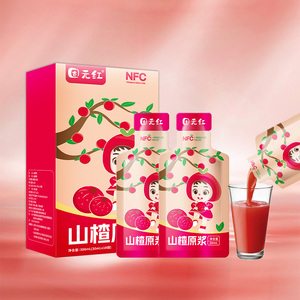
Industrial demand is shifting from traditional synthetic salts toward naturally fermented polypeptides (e.g., Epsilon-Polylysine, Nisin) and botanically derived organic matrices (such as high-potency Hawthorn fruit extract concentrates). OEM custom blending allows manufacturers to replace synthetic E-numbers without compromising product shelf life.
Global public health initiatives restricting dietary sodium have forced food formulators to abandon pure Sodium Benzoate or Sodium Propionate programs. Future purchasing trends prioritize Potassium Sorbate granules, Calcium Propionate, and buffered Anhydrous Sodium Acetate systems optimized for low-sodium sodium-potassium balance.
Raw material market volatility, raw petro-chemical price shifts (affecting synthetic sorbates), and freight bottlenecks necessitate long-term OEM forward contracting. Large-scale processors are increasingly utilizing our 48-state staged buffer inventory systems to secure fixed unit pricing and guaranteed delivery windows.
Every food matrix presents unique physical constraints regarding shear, moisture level ($a_w$), baking temperature, and thermal processing regimes. Our OEM plant engineers tailored functional systems for each specific sector.
High moisture baked goods (cakes, tortes, tortillas) are prone to mold spoilage caused by Aspergillus and Penicillium species. We supply micro-encapsulated Sorbic Acid and Potassium Sorbate granules that remain inactive during yeast proofing but activate during oven baking, avoiding yeast inhibition while guaranteeing extended shelf life.
In low-pH carbonated soft drinks, juices, and flavored syrups, microbial targets include acid-tolerant yeast (Zygosaccharomyces bailii). Combining high-purity Citric Acid Anhydrous E330 with Sodium Benzoate creates an inhospitable low-pH osmotic environment that eliminates yeast propagation while maintaining crystal clarity.
Processed meats require protection against pathogenic Listeria monocytogenes and spoilage bacteria. Our customized Sodium Acetate and bio-fermented Epsilon-PolyLysine (EPL) blends provide high thermal stability during thermal processing without altering lipid binding, water retention, or cured meat color development.
High-fat emulsions and high-saline pickling brines demand preservatives capable of functioning in hydrophobic environments. Cinnamic acid derivatives paired with Citric Acid provide dual functional protection: inhibiting bacterial cell division while chelating trace metal ions (Fe2+, Cu2+) to prevent rancidity oxidation.
From laboratory benchtop concept to full commercial production, our OEM contract manufacturing workflow ensures precise lot-to-lot consistency and total regulatory safety.
Get clear answers to common technical, operational, and procurement queries regarding our custom OEM preservative manufacturing capabilities.
Send us your required active ingredients, target food matrix parameters, target microbial targets, or annual bulk procurement requirements. Our food technologists and procurement team will deliver engineered samples, custom pricing structures, and full regulatory documentation.