
Standardized and custom-formulated enzymatic preparations for food processing, bakery, brewing, animal nutrition, and bioprocessing applications.
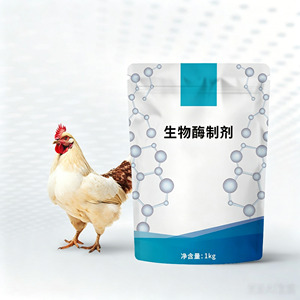
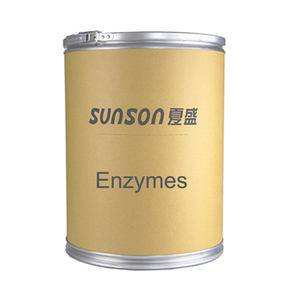
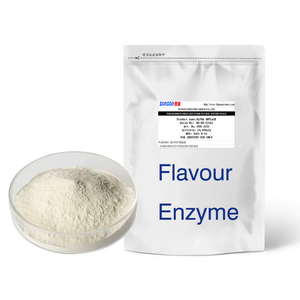
As modern food production transitions toward clean-label, bio-based processing aids, custom enzyme contract manufacturing has evolved from simple bulk blending into high-precision microbial fermentation and biocatalytic formulation.
Enzymes are highly specialized biological catalysts that accelerate specific biochemical reactions without being consumed in the process. In food manufacturing, targeted enzyme hydrolysis alters protein structures, breaks down non-starch polysaccharides (NSPs), modifies lipids, and hydrolyzes complex starches into functional sugars.
Information Gain Metric: OEM enzyme customization allows food processors to lower process temperatures by up to 15°C, reduce reaction dwell times, eliminate synthetic emulsifiers, and achieve precise viscosity control across high-throughput production lines.
Unlike off-the-shelf single-component enzymes, custom OEM enzyme formulations integrate multiple enzyme classes (e.g., endo-xylanases paired with neutral proteases and debranching amylases) optimized for specific thermal profiles, pH windows, and substrate concentrations unique to your facility’s processing line.
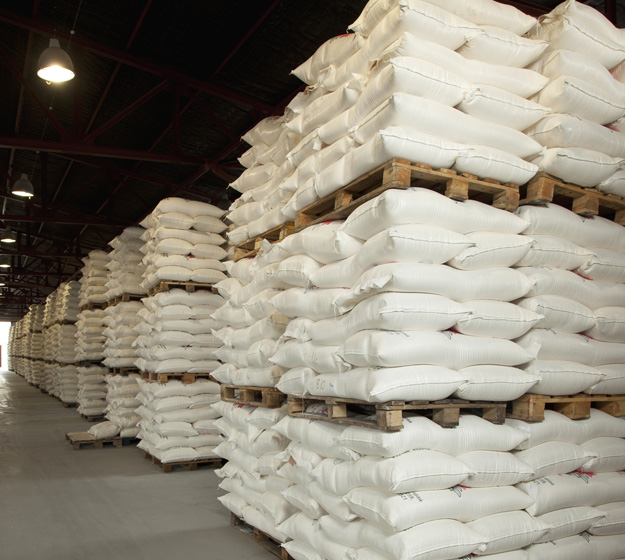
We bridge high-capacity microbial fermentation with rigorous supply chain execution, ensuring technical formulation support, audit readiness, and uninterrupted production schedules.
Every custom blend starts with comprehensive substrate testing. We analyze pH, ionic strength, moisture, and thermal degradation curves to match enzyme activity directly to your formulation before full-scale batch manufacturing.
Shipments arrive with detailed Certificates of Analysis (COA), allergen matrices, SDS, heavy metal screenings, micro-test reports, and international Kosher, Halal, Non-GMO, and Organic certifications for seamless quality audits.
With multi-origin fermentation backup, strategic warehousing, and forward contract capabilities across 48 contiguous US states, we protect your line against raw material price volatility and supply chain delays.
Our targeted biocatalysts deliver structural, sensory, and economic improvements tailored to distinct processing conditions.

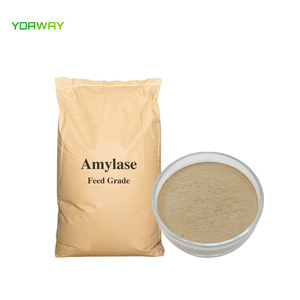
Alpha-amylases & xylanases for dough rheology, loaf volume expansion, and anti-staling shelf life extension.

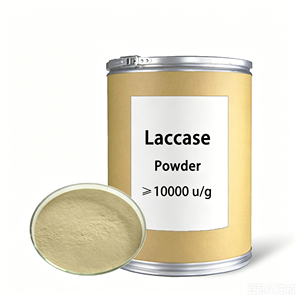
Neutral proteases, laccases, and glucanases for haze control, attenuation, and fast protein chill-proofing.
Specialized lipases and peptidases for accelerated cheese ripening, flavor ester formation, and whey hydrolysis.
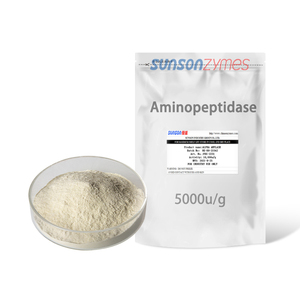
Exopeptidases and aminopeptidases for deep umami generation, yeast extract production, and protein debittering.

Proteolytic enzymes to enhance meat tenderization, increase yield, and formulate high-solubility collagen peptides.

Compound xylanase and glucanase blends targeting non-starch polysaccharides to optimize feed conversion ratios (FCR).

Pectinases and cellulases designed for maximum juice extraction yields, mash viscosity reduction, and clarification.

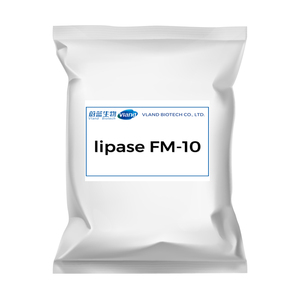
High-activity immobilized lipases (FM-10) for biodiesel synthesis, enzymatic esterification, and oleochemical processing.
How evolving consumer demands, synthetic biology, and supply chain shifts are reshaping food enzyme procurement strategies worldwide.
Global food manufacturers are increasingly phasing out synthetic chemical conditioning agents—such as potassium bromate, azodicarbonamide (ADA), and mono/diglycerides—in favor of enzyme-based solutions. Amylases, lipases, and xylanases perform dough conditioning naturally, leaving zero functional enzyme residue in the finished baked product after thermal processing.
Biotechnology advancements in precision fermentation are allowing OEM enzyme suppliers to produce enzymes with hyper-targeted substrate affinity. This results in higher activity concentrations (e.g., 100,000 U/g lipases and neutral proteases), requiring lower dosing rates (ppm levels), significantly cutting freight costs and raw material storage overhead for industrial buyers.
As the demand for alternative proteins (pea, soy, fava bean, rice) grows, manufacturers face persistent off-note and bitter peptide challenges during protein isolation. The adoption of specialized exopeptidases and aminopeptidases—which selectively cleave hydrophobic N-terminal amino acids—has become critical for producing palatable, clean-tasting protein hydrolysates.
Recent global logistics disruptions have exposed vulnerabilities in single-source enzyme procurement. Forward-thinking enterprise buyers are shifting toward contract manufacturers with dual-site microbial fermentation capacity, forward inventory staging, and guaranteed multi-lot continuity agreements.
Answers to common technical, regulatory, and supply chain queries raised by procurement managers and R&D directors.
Accelerate your product development with audited, high-titer food enzyme formulations. Speak with our technical sourcing specialists today to request technical dossiers, lab samples, or bulk quote estimates.
Get Catalog