
High-purity vitamin premix building blocks, organic acidulants, and bioactive preservation systems manufactured under ISO22000, FSSC22000, Kosher, and Halal standards.
In commercial food, beverage, and nutraceutical processing, fortification is far more complex than blending standalone micronutrient powders. As a primary China Wholesale Vitamin Premixes Manufacturer and Supplier, our engineering philosophy focuses on resolving the physical, chemical, and organoleptic challenges inherent in multi-component micronutrient delivery systems.
Vitamins differ drastically in their chemical structures, solubility profiles, thermal tolerances, and susceptibility to oxidation. Water-soluble vitamins (such as Thiamine B1, Riboflavin B2, Niacin B3, Pyridoxine B6, Cyanocobalamin B12, and L-Ascorbic Acid C) exhibit varying decay kinetics when exposed to ambient moisture, heat extrusion, and high-shear liquid processing. Conversely, fat-soluble vitamins (Vitamin A Palmitate/Acetate, Cholecalciferol D3, d-Alpha-Tocopherol E, and Phytomenadione K1) require micro-encapsulation or lipid-based carriers to prevent rapid oxidative degradation caused by trace minerals like Ferrous Sulfate or Copper Gluconate.
Advanced spray-drying and matrix encapsulation utilizing modified starch, gum arabic, or ethylcellulose protects labile vitamins against thermal degradation (up to 220°C in baking) and moisture oxidation.
Employing multi-stage geometric trituration techniques to guarantee micronutrient dispersion coefficient of variation (CV) < 2.5%, preventing toxicity or sub-potency spikes in finished products.
Custom-calculated stability overages based on thermal thermal-processing profiles (UHT, HTST, extrusion, retort) ensuring label claim compliance throughout product shelf-life without organoleptic alteration.
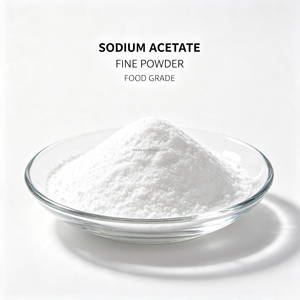
Carrier chemistry plays a decisive role in the functional performance of a custom premix. Depending on target matrix density, moisture content, and solubility requirements, our formulation laboratories specify optimized carrier matrices including non-GMO maltodextrin, microcrystalline cellulose (MCC), tricalcium phosphate (TCP), rice flour, or soluble dextrose. In acidic beverages, buffering additives such as Citric Acid Anhydrous E330 or Anhydrous Sodium Acetate are integrated directly into the premix to stabilize the pH environment and protect acid-sensitive vitamins.
For enterprise purchasing teams, procuring individual raw vitamins presents substantial operational overhead, increased quality assurance burdens, and heightened exposure to lot-to-lot batch variance. Below is a analytical breakdown evaluating the procurement parameters of straight micronutrient sourcing versus integrated custom premix manufacturing.
| Evaluation Parameter | Single Vitamin Sourcing (In-House Blending) | Factory Custom Vitamin Premix (AIFI Managed) |
|---|---|---|
| Procurement Overhead | High: Managing 10-15 distinct supplier contracts, POs, and freight logistics. | Low: Single SKU procurement, unified lead-time, streamlined invoicing. |
| Quality Assurance Burden | 10-15 COA reviews, micro-testing, assay verifications, and heavy metal assays per batch. | Single composite COA verified by HPLC / ICP-MS for the entire micronutrient system. |
| Dosing Accuracy & Safety | High risk of micro-dosing errors; potential hot-spotting due to static charges. | Pre-milled geometric trituration guarantees particle size uniform dispersion (CV < 2.5%). |
| Micro-Encapsulation & Stability | Requires purchasing micro-encapsulated single vitamins at high premium. | Custom co-processed active encapsulation customized to your specific processing heat step. |
| Inventory & Warehousing | Multiple raw materials with disparate shelf-lives, storage conditions, and MOQs. | Just-In-Time (JIT) batch bags pre-weighed exactly for customer tank/mixer size. |
| Regulatory Audit Compliance | Complex traceability auditing across multiple global raw material vendors. | Complete FSMA, HACCP, Kosher, Halal, ISO22000, and non-GMO audit package provided. |
The international market for industrial food fortification is undergoing a structural transition driven by consumer demand for ultra-clean labels, regulatory tightening around synthetic additives, and geopolitical shifts requiring resilient, multi-origin supply chains. Purchasing departments must align their strategic sourcing roadmaps with four major industry trajectories:
Global food and beverage brands are aggressively replacing chemical synthesis vitamins with precision fermentation-derived nutrients. Fermentation-derived B-complex vitamins, natural d-alpha tocopherol from non-GMO oil seeds, and bio-fermented natural preservatives like Epsilon-PolyLysine (EPL) Hydrochloride are replacing legacy synthetic inputs. Suppliers with bio-fermentation infrastructure offer superior sustainability metrics and lower carbon intensity scores required for modern Scope 3 ESG compliance.
Traditional premix fillers such as silicon dioxide (anticaking) or synthetic maltodextrin are facing consumer backlash. Modern market trends mandate clean-label, plant-derived carriers including tapioca starch, organic acacia gum, and native rice starch. Manufacturers in China are expanding dedicated non-GMO and organic certified processing lines to meet EU Regulation 2018/848 and US NOP standards without cross-contamination risks.
As oat, almond, soy, and pea protein beverages scale globally, matching the nutritional profile of traditional bovine milk requires specialized vitamin-mineral premixes. Plant matrices interact differently with added nutrients: phytic acid in plant proteins can bind minerals, while natural polyphenols can react with unstabilized Vitamin A or Ascorbic Acid, causing off-colors and off-flavors. Advanced premixes combine active vitamins with natural antioxidants such as Cinnamic Acid Powder or Hawthorn Fruit Extracts to mitigate oxidative rancidity in lipid-heavy plant milks.
To streamline shop-floor execution and eliminate operator batching errors, high-volume beverage facilities, infant formula plants, and industrial bakeries are shifting from 25kg bulk drums to batch-sized water-soluble bags or exact-unit pouching. Premix suppliers offering automated batch packaging deliver significant labor reduction, zero waste, and guaranteed dosage integrity per blend cycle.
As a global ingredient distributor and custom blender supplying over 2,500 food and beverage ingredients across international markets, our infrastructure is built to solve the operational realities of high-capacity production lines.
Particle size, bulk density, moisture level, assay purity, and origin specifications are rigorously validated against your finished formula requirements prior to contract quotation.
Multi-origin raw material approvals, forward price contracts, and strategically staged warehouse inventory shield your facility from unexpected market panics and ocean freight delays.
Every shipment includes complete Certificate of Analysis (COA), Nutritional Statements, Allergen Declarations, Country of Origin, Kosher, Halal, and Non-GMO certifications.
Submit your custom vitamin premix target specifications, dosage requirements, or packaging needs. Our formulation specialists and supply chain engineers will deliver a comprehensive quote within 24 hours.
Get a Quote