
Full spec-verified, documented lot integrity supported by international certifications (HACCP, ISO, Kosher, Halal).
A comprehensive analysis of functional protein extraction, rheological behaviors, and supply-chain risk mitigation for global procurement teams.
The global demand for plant-based proteins has transitioned from a niche dietary preference into a fundamental restructuring of international food manufacturing. As food formulators seek clean-label texturizers, emulsifiers, and high-nitrogen nutrition matrices, China has emerged as the premier global epicentre for high-purity soy protein extraction and industrial-scale refined fractions. Leveraging advanced membrane filtration, state-of-the-art flash drying towers, and stringent Identity Preserved (IP) non-GMO agricultural corridors in Northeast China, top-tier Chinese soy protein manufacturers provide the global food supply chain with unparalleled volume stability, competitive unit economics, and tight technical specifications.
Procuring directly from a Chinese direct-manufacturer allows industrial buyers to bypass multi-tiered brokerage layers. This direct integration grants complete access to primary manufacturing documentation—including batch-specific Nitrogen Solubility Index (NSI) testing, gel strength parameters, heavy metal mass spectrometry reports, and microbiological validation. Understanding the operational capabilities of modern Chinese refineries is essential for procurement managers looking to optimize input costs while safeguarding sensory and textural performance across high-volume food processing lines.
Industrial soy protein is derived from defatted soybean flakes through precise physical-chemical fractionation sequences. Depending on the targeted protein concentration, water hydration capacity, and gelation threshold, Chinese manufacturers classify production output into three primary commercial categories:
| Protein Category | Protein Concentration (Dry Basis) | Extraction Methodology | Primary Functional Properties | Industrial Target Applications |
|---|---|---|---|---|
| Soy Protein Isolate (SPI) | ≥ 90.0% | Alkaline extraction (pH 8.5–9.0) followed by acid precipitation (pH 4.5) & spray drying. | High emulsification, superior water-binding, thermal gelation, low flavor profile. | Emulsified sausages, meat analogs, protein beverages, dairy alternatives, infant formulas. |
| Soy Protein Concentrate (SPC) | ≥ 70.0% | Aqueous alcohol leaching (60–70% ethanol) to extract soluble carbohydrates/oligosaccharides. | High water absorption, heat stability, structural matrix retention, minimal off-taste. | Commuted meat systems, bakery dough enrichment, nutritional bars, aquaculture feeds. |
| Textured Soy Protein (TSP/TVP) | 50.0% – 70.0% | Thermal mechanical shear via twin-screw high-moisture/low-moisture extrusion. | Fibrous muscle-like texture, high moisture retention, chewiness, mechanical bite. | Plant-based ground beef, vegetarian nuggets, canned meat extenders, ready-to-eat snacks. |
Advanced soy protein hydrolysates (micro-peptides) are further manufactured using targeted enzymatic hydrolysis (papain, alcalase). These low-molecular-weight peptides yield enhanced solubility across a broad pH spectrum (2.0 to 8.0) and rapid intestinal absorption rates, serving specialized clinical nutrition and sports performance beverages.
When engineering reformulated food products, buyers must select soy protein grades based on functional rheology rather than crude protein percentage alone. Leading Chinese factories tailor functional profiles through physical conditioning:
Emulsification & Fat Binding: In processed meat emulsions (e.g., frankfurters, bologna), Soy Protein Isolate acts as a surface-active macromolecule. Hydrophobic amino acid side chains adsorb to fat droplets, while hydrophilic residues interact with the water phase, forming a stable viscoelastic film around lipid globules that prevents oil separation during thermal processing.
Gelation Strength & Water Retention: Thermally induced gelation occurs when soy globulins (7S conglycinin and 11S glycinin) unfold under thermal stress (>75°C) and form a three-dimensional cross-linked polymer network via hydrophobic interaction and disulfide bridging. High-gel SPI variants produced by Chinese factories achieve gel break values exceeding 1,000 g/cm², enabling partial or total replacement of expensive egg albumen or dairy caseinate proteins.
Procurement executives face a volatile landscape shaped by geopolitical shifts, consumer demands for clean-label credentials, and environmental regulations. Over the next five to ten years, several critical trends will redefine wholesale sourcing from China:
1. Strict IP Non-GMO Segregation: Western markets increasingly demand rigorous non-GMO validation. Leading Chinese manufacturers are investing heavily in Identity Preserved (IP) supply chain management. From seed distribution to field harvest, containerization, and secondary processing, DNA testing via quantitative PCR ensures zero cross-contamination with genetically modified crops.
2. Low-Flavor & Low-Beany Extraction Technologies: Historical barrier to plant-protein adoption has been the residual "beany" off-notes caused by lipoxygenase-mediated lipid peroxidation (primarily hexanal release). Chinese processing tech now incorporates enzymatic inactivation prior to extraction, coupled with multi-stage vacuum deodorization, yielding ultra-neutral organoleptic profiles suitable for unflavored dairy and beverage formulations.
3. Sustainability & EUDR Compliance: As the European Union Deforestation Regulation (EUDR) comes into full effect, global buyers require verifiable satellite-tracked origin documentation proving soybeans were harvested without contributing to land degradation. Northeastern China's traditional soybean belt offers a fully compliant, deforestation-free sourcing zone.
The manufacturing technology for soy protein in China is undergoing a massive shift toward eco-efficient aqueous extraction and High-Moisture Extrusion Cooking (HMEC). Traditional hexane defatting techniques are being supplemented by green physical separation mechanisms that preserve natural protein native structures.
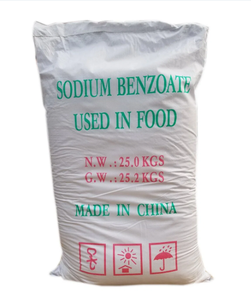
Furthermore, HMEC extrusion systems allow factories to produce fibrous textured proteins with 60–70% moisture content directly out of the die, perfectly replicating the striated muscle texture of chicken breast or pork loin. Integrating functional hydrocolloids, natural preservers (such as Citric Acid, Potassium Sorbate, and Sodium Benzoate), and organic plant matrices into the extrusion blend yields clean-label meat alternatives with extended shelf life and robust freeze-thaw stability.
Streamlining industrial procurement with absolute transparency, technical precision, and robust global logistics.
Functionality, particle size distribution (mesh), protein percentage, moisture level, and botanical origin are thoroughly matched to your formulation specs before any commercial contract is finalized.
We maintain comprehensive buffer inventory and forward contract capabilities. Multi-origin producer approvals protect your operational line from raw crop yield fluctuations or shipping lane disruptions.
Every single shipment arrives accompanied by lot-specific Certificates of Analysis (COA), specification sheets, allergen breakdowns, nutritional matrices, Kosher, Halal, ISO, and HACCP compliance files.
Our in-house food scientists and formulation specialists assist client operations with bench testing, plant trials, gel strength tuning, and clean-label cost reduction programs.
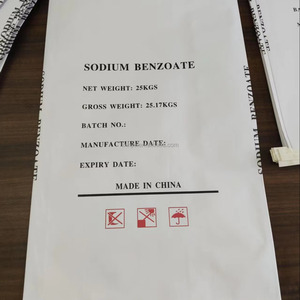
Flexible packaging solutions ranging from 25kg multi-wall paper bags with PE liners to 1,000kg industrial super-sacks (tote bags), complete with private label and custom mesh sizing.
Batch-to-batch physical, chemical, and microbiological lab validation ensures complete compliance with FDA, EU, and international food safety regulatory standards.
Technical and commercial clarifications for purchasing agents, QA directors, and food technologists.
Connect directly with our senior ingredient application engineers to discuss your technical parameters, obtain laboratory evaluation samples, or lock in forward contracts.